
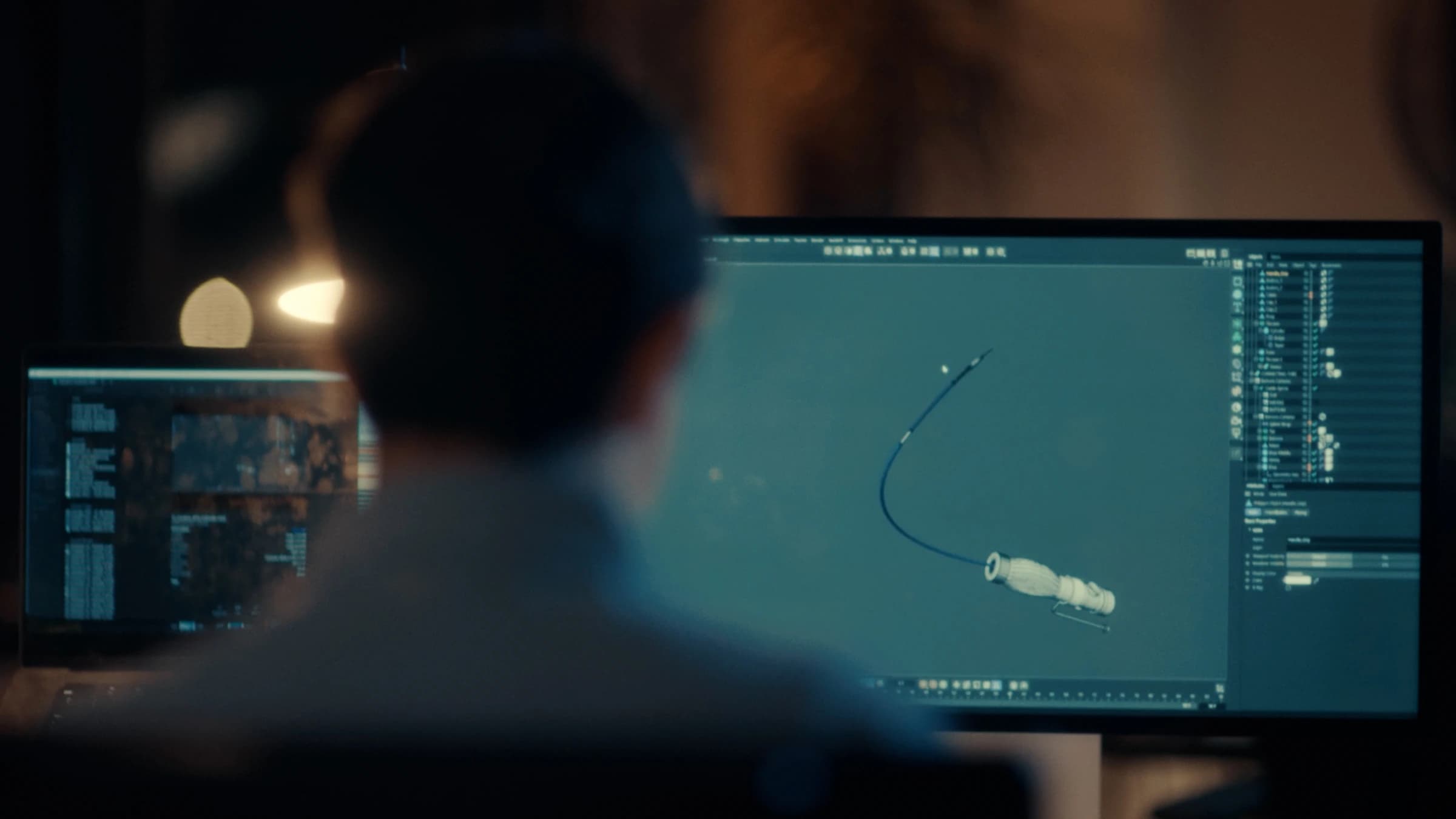
01 / Design & Development
Medical Device
Design & Development
Bring engineering disciplines together around the requirements of the medical device, from early product architecture through prototyping, testing, and development.
02 / Engineering disciplines
The device rarely belongs to one discipline.
Mechanical, electrical, embedded software, cybersecurity, industrial design, human factors engineering, software validation, quality, and risk considerations can shape the same product system.
Active discipline / 01
Mechanical
Develop mechanical designs, components, assemblies, and device architecture with materials, interfaces, and manufacturability in view.
03 / Product architecture
Turn requirements into a system that can be developed and tested.
Engineering decisions affect one another. This conceptual system view makes those relationships visible without implying a finished drawing or generated design.
User interaction and intended use inform requirements that affect the complete product system.
04 / Development loop
Build. Test.
Learn. Refine.
Development is iterative. Physical prototypes and structured testing help teams evaluate the design while decisions can still evolve.
- 01
Prototype
Proof-of-concept builds and iterative prototypes, including FDM and SLA, help make design direction tangible.
- 02
Test
Test-method development and engineering evaluation create a structured way to examine requirements and behavior.
- 03
Learn
Results inform engineering decisions, expose interfaces, and clarify where the design needs further attention.
- 04
Refine
The architecture evolves as evidence, usability, risk, and manufacturing considerations become clearer.
05 / Verification + risk
Build evidence around the design.
Test-method development, verification and validation support, software validation, and risk-informed engineering help teams address requirements as the device matures. Regulatory planning and anticipated submission evidence remain connected to those engineering decisions throughout development.
Design requirement
Define what the evolving device is expected to address.
Test method
Establish an appropriate approach for engineering evaluation.
Evidence
Record results that support development, V&V activities, and regulatory submissions where applicable.
Design decision
Use evidence, risk, quality, and regulatory considerations to inform what follows.
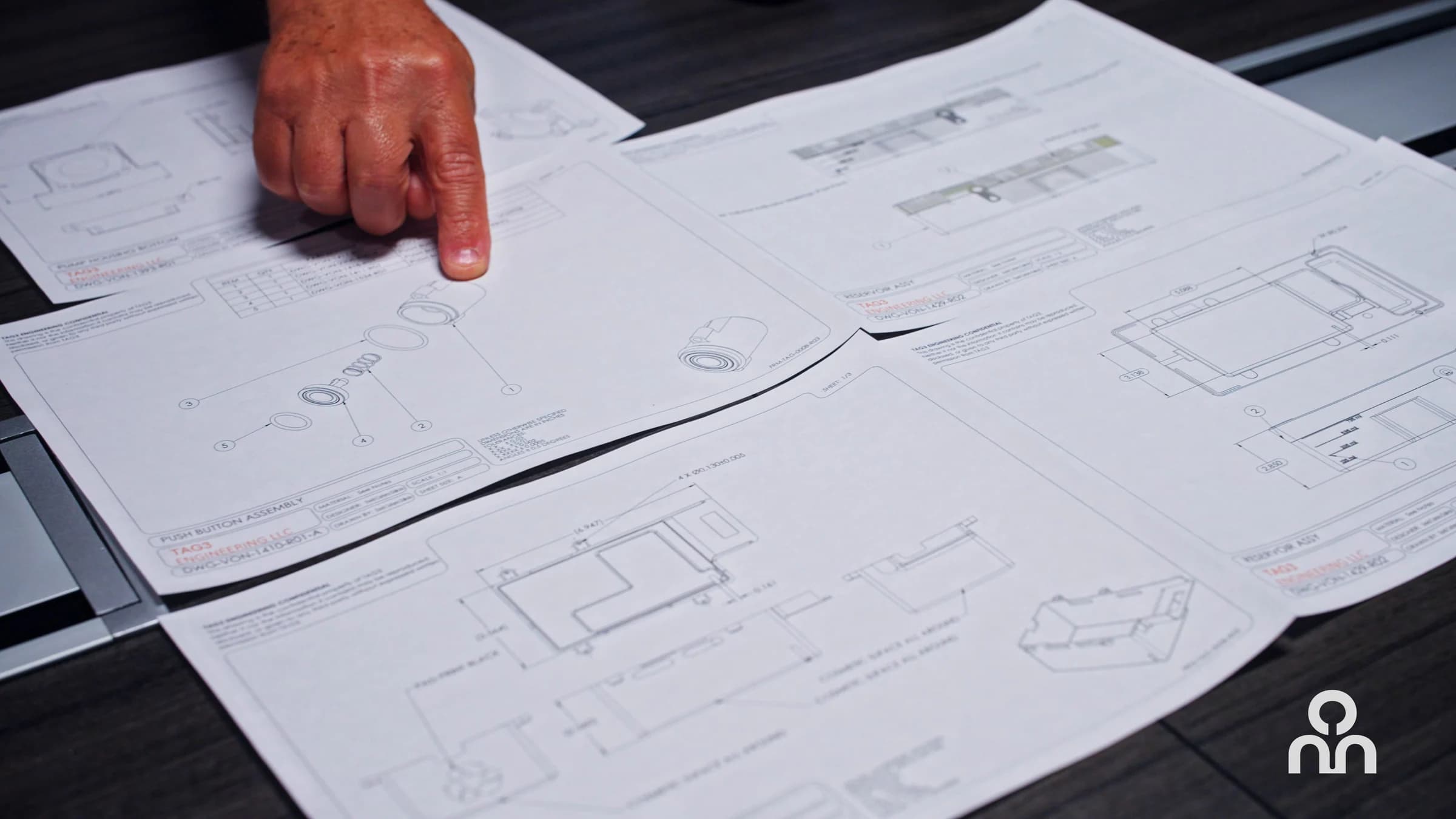
Development context / precision workstation
06 / Program context
Engineering continues beyond the bench.
Where appropriate to the program, development support may include human factors and simulated use, animal and cadaver lab planning, clinical-study activities, and planning for First-in-Human Studies.
07 / Manufacturing readiness
Develop with the production pathway in view.
Manufacturability is easier to address while design decisions remain flexible. Materials, tolerances, component architecture, joining, tooling, inspection, repeatability, and scale can influence both the device and the manufacturing system supporting it.
Development
Design maturity
Manufacturing input
Production pathway