
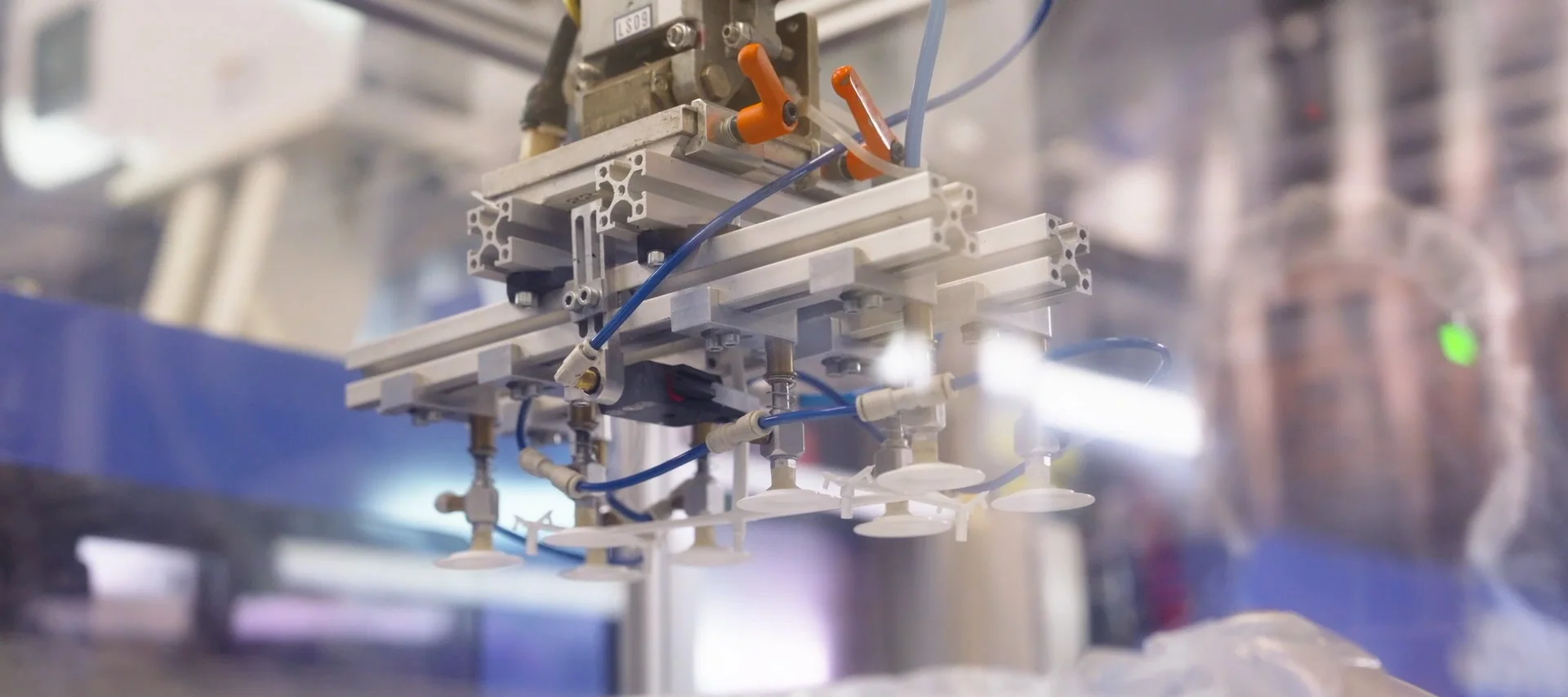
01 / Automation & Scale
Medical Device Manufacturing Automation & Scale-Up
Develop production systems around the process, inspection, and repeatability requirements of the device, from early manufacturing through increasingly automated production.
02 / Industrialization
Build repeatability before adding complexity at scale.
The production system can evolve as the manufacturing process and program requirements mature. Not every program follows an identical sequence, and automation is not automatically the starting point.
Active stage / 01
Stabilize
Understand the process, establish key steps, identify variation, and define production requirements.

03 / Process engineering
Engineer repeatability before chasing automation.
Part geometry, tolerances, materials, joining choices, assembly sequence, inspection, fixtures, and process controls can influence how a medical device moves into production.
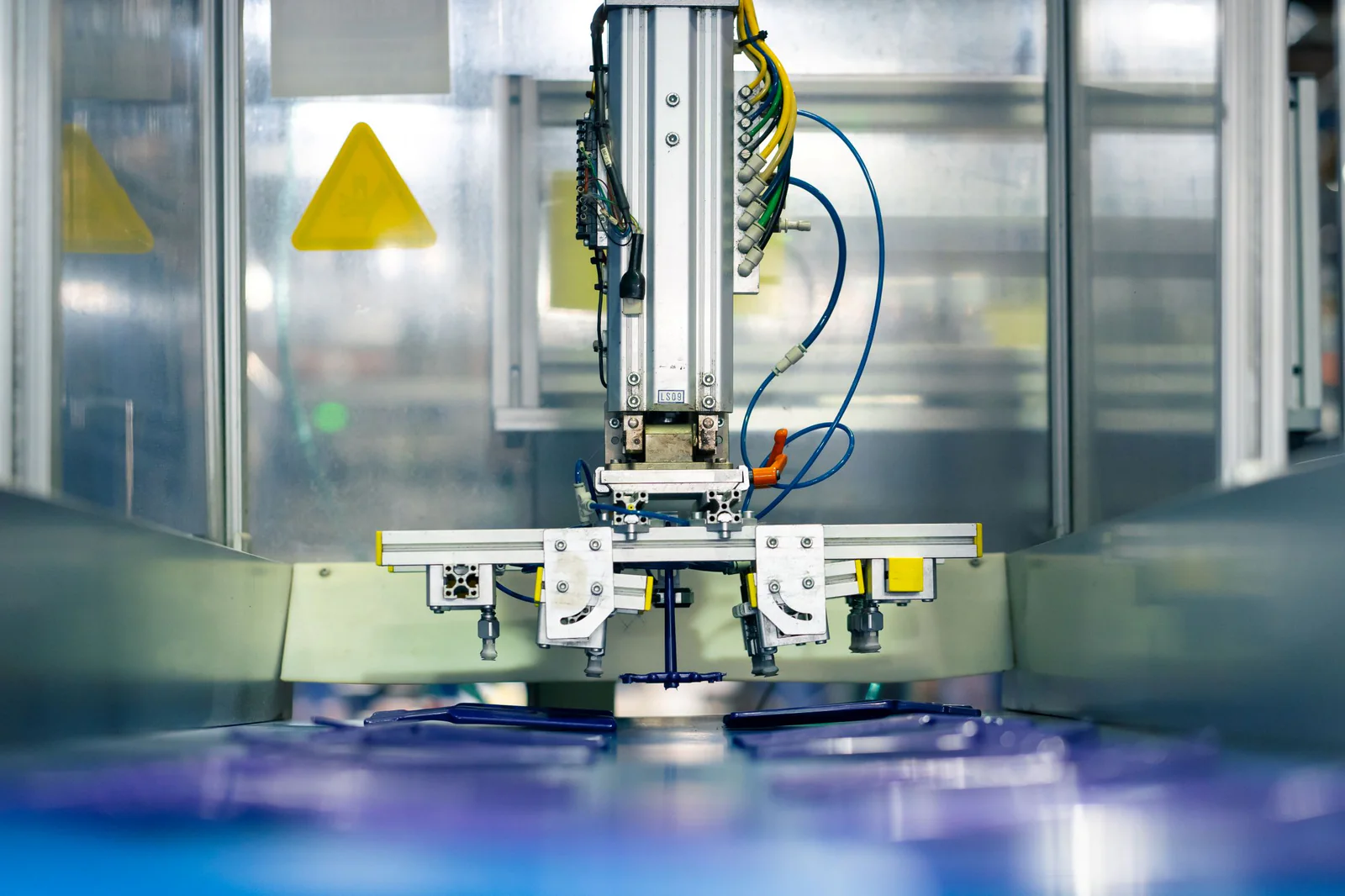
Automated production equipment
04 / Automation decision
Automate where the process benefits from it.
Skilled manual production can provide flexibility while a process develops. Fixtures, equipment, inspection, and selected automated steps can improve control while retaining operator involvement. Appropriate operations may use dedicated handling, assembly, inspection, and control systems as requirements mature.
05 / Scale-up context
Production learning shapes the system that follows.
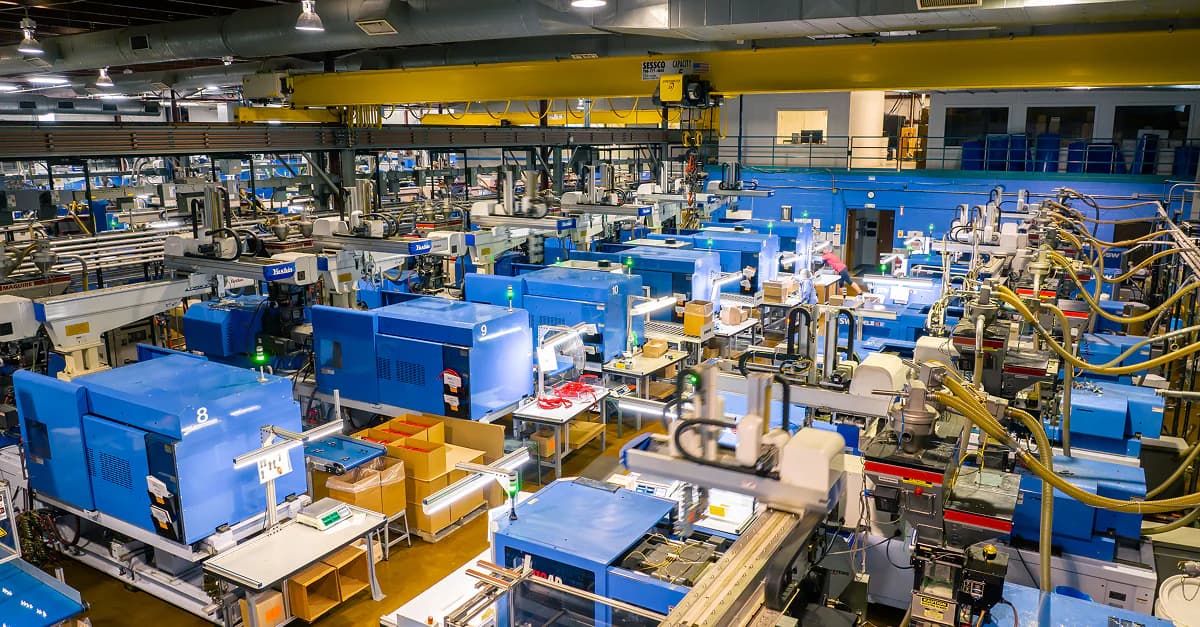
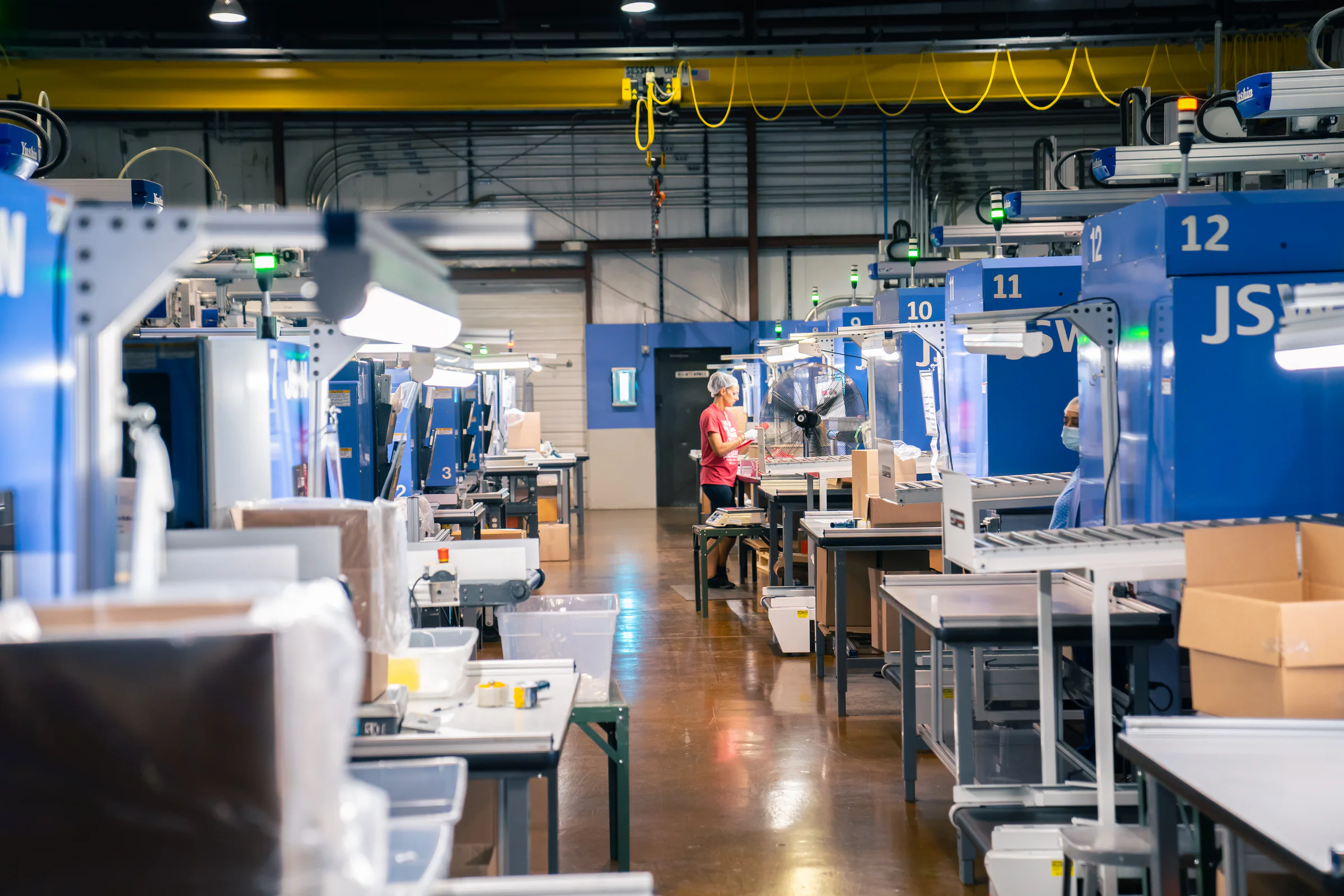
Process definition, tooling, fixtures, inspection, controls, automation, and manufacturing execution can be developed together as requirements mature—without reducing scale-up to simply adding equipment.
Manufacturing provides production execution. Automated Assembly & Packaging is a specific capability. Automation & Scale addresses broader production-system industrialization.
Start a Project