
Engineering Polymers
A range of engineering polymers, each striking its own balance of flexibility, strength, dimensional behavior, and processing characteristics to match device performance needs.
PebaxNylon 12Hytrel®HDPE

01 / Advanced Materials
Cordica applies material science and selection expertise across extrusion, molding, converting, flexible-material processing, and full device-manufacturing programs.
02 / Capability Overview
Material selection weighs flexibility, friction, stiffness, dimensional stability, processability, bonding, thermal behavior, geometry, and how the material integrates with everything else in the build.
A range of engineering polymers, each striking its own balance of flexibility, strength, dimensional behavior, and processing characteristics to match device performance needs.
Polymers suited to applications where surface behavior, chemical resistance, or thermal performance drives the material decision.
Polymers selected for component geometry, processing conditions, or performance demands that go beyond standard materials.
Film and polymer systems chosen around welding, sealing, converting, flexibility, and the construction they need to support.
Films and interfaces brought together within multilayer converting work and wearable-device constructions.
03 / Material System Explorer
This explorer shows established relationships between these factors. It is not a tool for recommending a specific material.
Active technical mode
Material behavior weighed alongside component geometry, processing conditions, and how the device needs to perform.
Technical References
04 / Selection + Compatibility
Whether a material is a standard grade or custom compounded, its behavior must work with the component's geometry, its joining method, the production process, and the scale the program needs to hit.
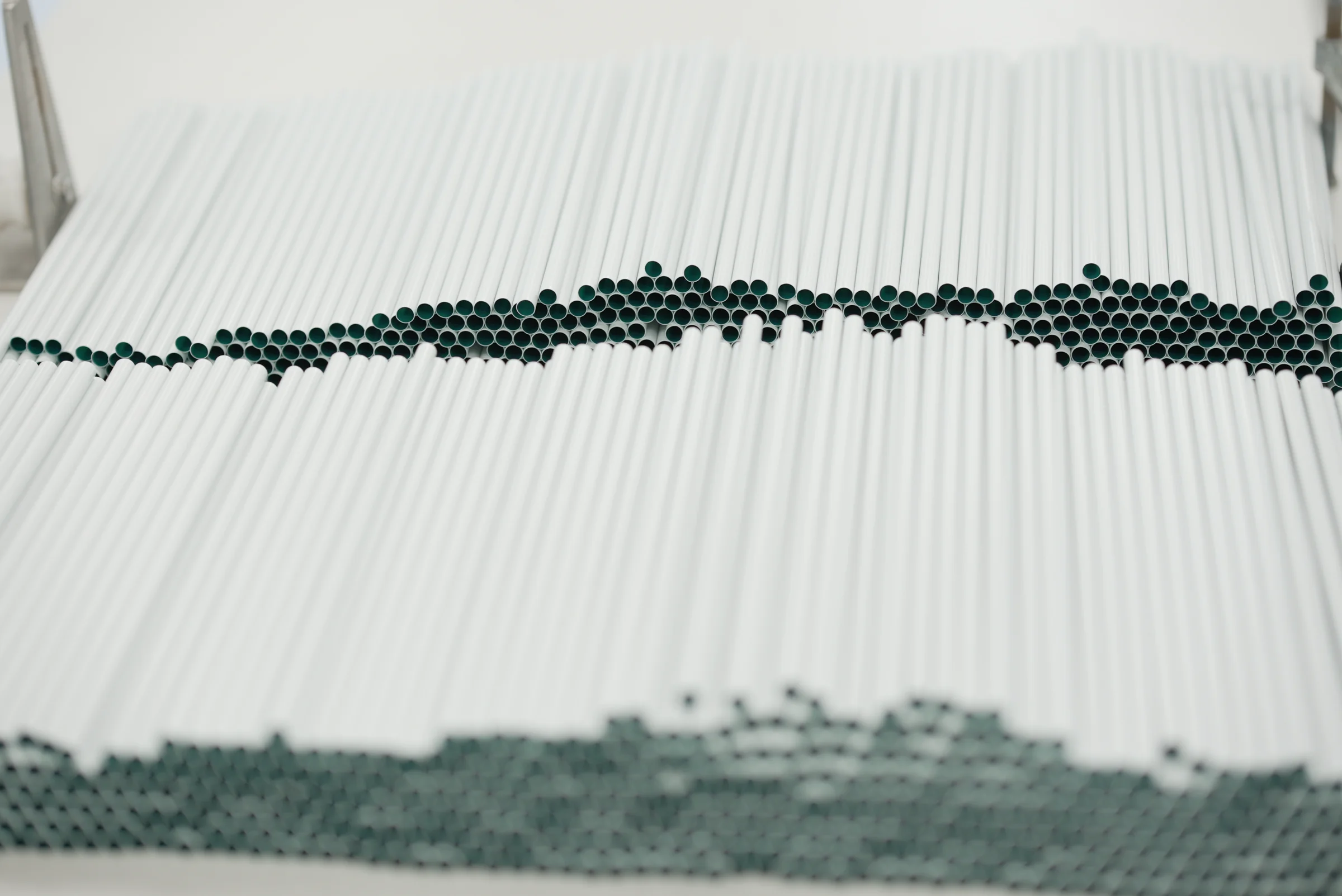
A material's flexibility, stiffness, and dimensional stability have to support the component or device it's built into, whether that means flexing repeatedly without fatigue, holding a precise dimension under load, or maintaining its shape through sterilization and handling. Geometry and mechanical behavior are evaluated together, since a material that performs well in one geometry may behave differently once wall thickness, radius, or feature size changes.
How a material's surface behaves affects everything it touches downstream, including how well it bonds to adjacent components, whether it can be overmolded, whether it welds cleanly to a compatible material, and how it holds up through assembly. Surface energy, texture, and chemical compatibility all factor into whether two materials can be joined at all, and by which method.
Extrusion, molding, converting, welding, bonding, and assembly each place different demands on a material, from melt behavior and thermal stability to how it responds to adhesives or welding energy. A material that processes well under one method will not necessarily behave the same way under another, so processing requirements are weighed alongside the material's mechanical and surface properties rather than considered separately.
Materials rarely work in isolation. A given material may need to join with other systems already built into the device, so compatibility across the full construction matters as much as the material's own properties. At the same time, whatever is selected has to support the repeatability the program requires at its intended production volume, since a material or process that performs in a lab setting does not always translate cleanly into consistent, high-volume production.
05 / Development + Production
Material expertise stays connected to development, geometry, tooling, converting, joining, assembly, and production requirements throughout.
01
The component or device performance context defined first.
02
Supported material families evaluated without separating them from process.
03
Material behavior connected to extrusion, molding, or converting.
04
Joining, integration, and the intended production approach considered together.
06 / Applications

01 / Market
Catheter tubing, delivery systems, molded components, and reinforced constructions.
Explore Market →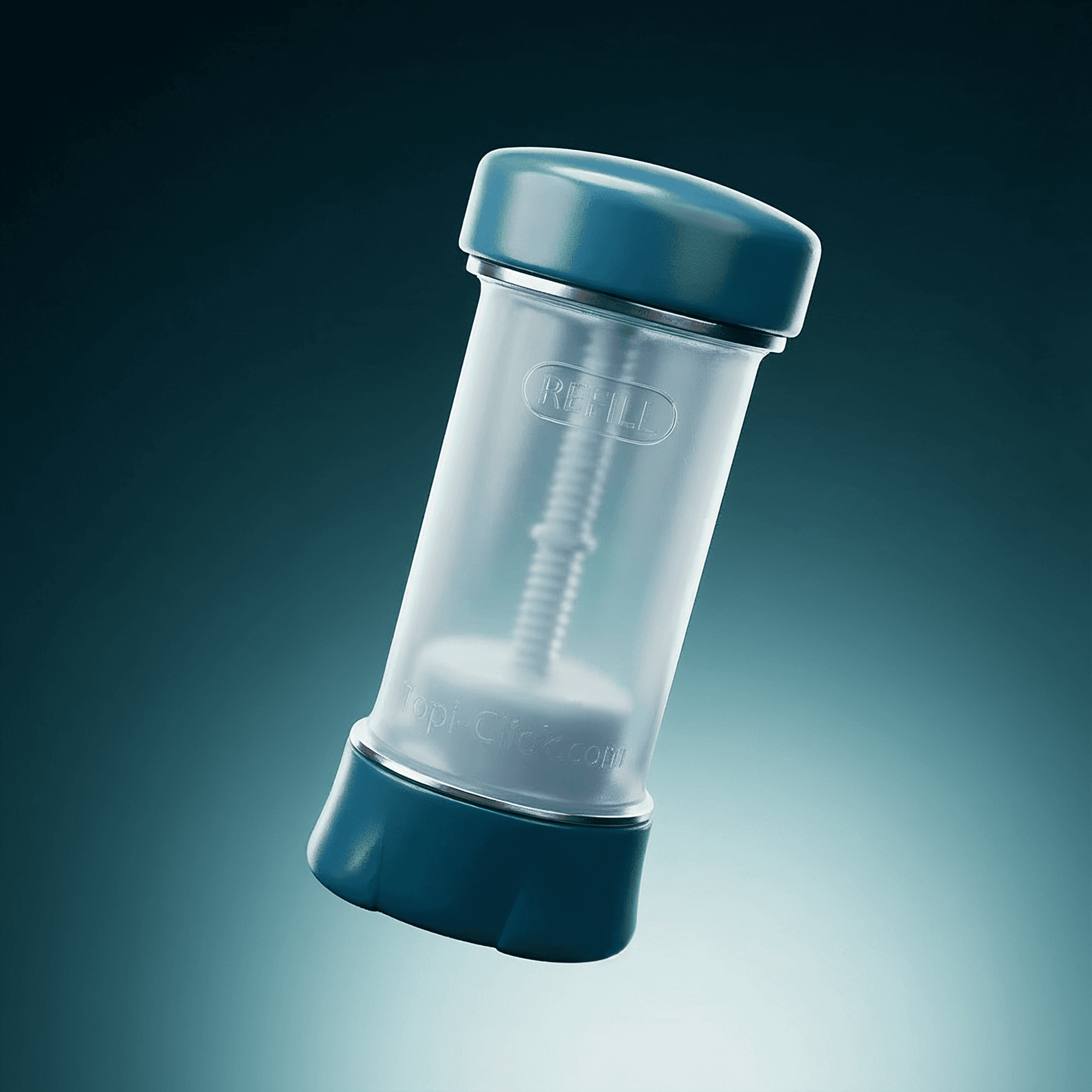
02 / Market
Molded dispensing components, delivery-system elements, and flexible interfaces.
Explore Market →
03 / Market
Adhesive films, flexible constructions, device interfaces, and multilayer components.
Explore Market →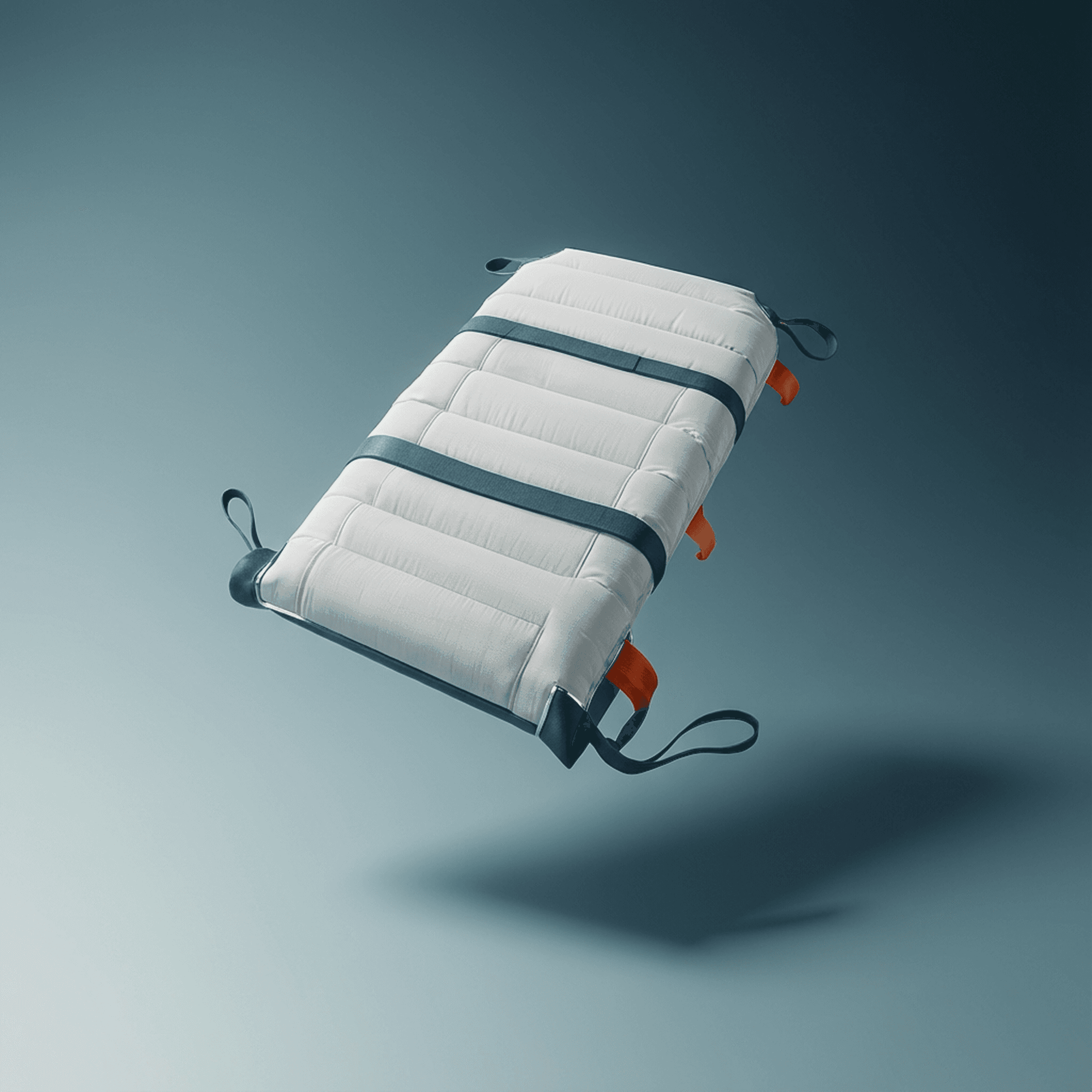
04 / Market
Polymer films, textile composites, welded constructions, and medical soft goods.
Explore Market →07 / Connected Expertise
Material behavior applied to tubing geometry, layer construction, surface requirements, and downstream processing.
→02Resin behavior matched with component geometry, tooling, inserts, and production requirements.
→03Flexible films, adhesives, foams, and substrates connected within multilayer constructions.
→Start a Project