
Geometry
Small features shape material delivery, tooling, release, and measurement.
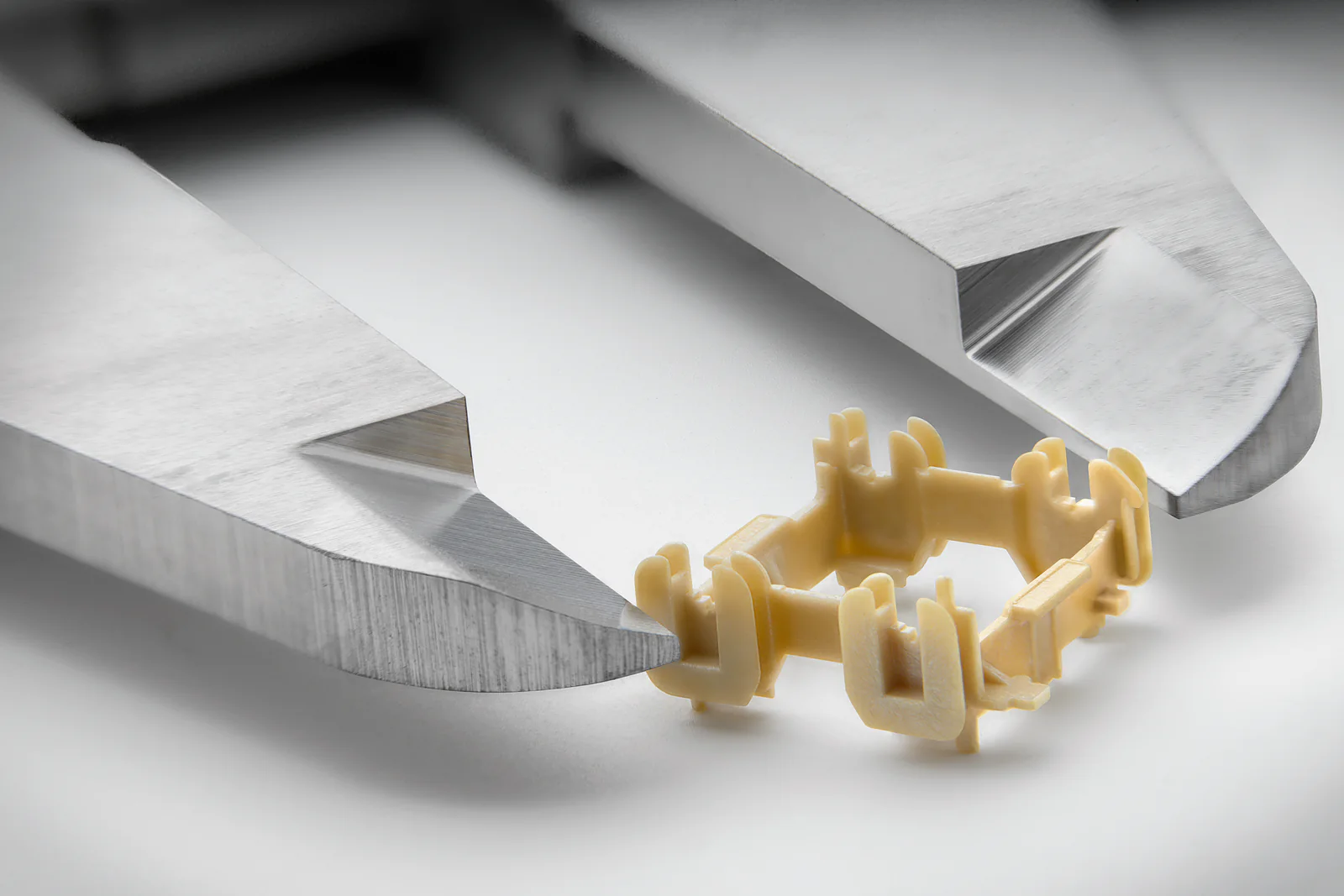
Micro-Molding
Dedicated medical micro-molding connects demanding materials, precision tooling, automated processing, in-line vision inspection, and commercial-scale manufacturing around highly miniaturized components.
01 / Micro-Molding Overview
As medical-device components become highly miniaturized, part geometry, material flow, tool design, shot control, extraction, orientation, inspection, and downstream handling become tightly connected.
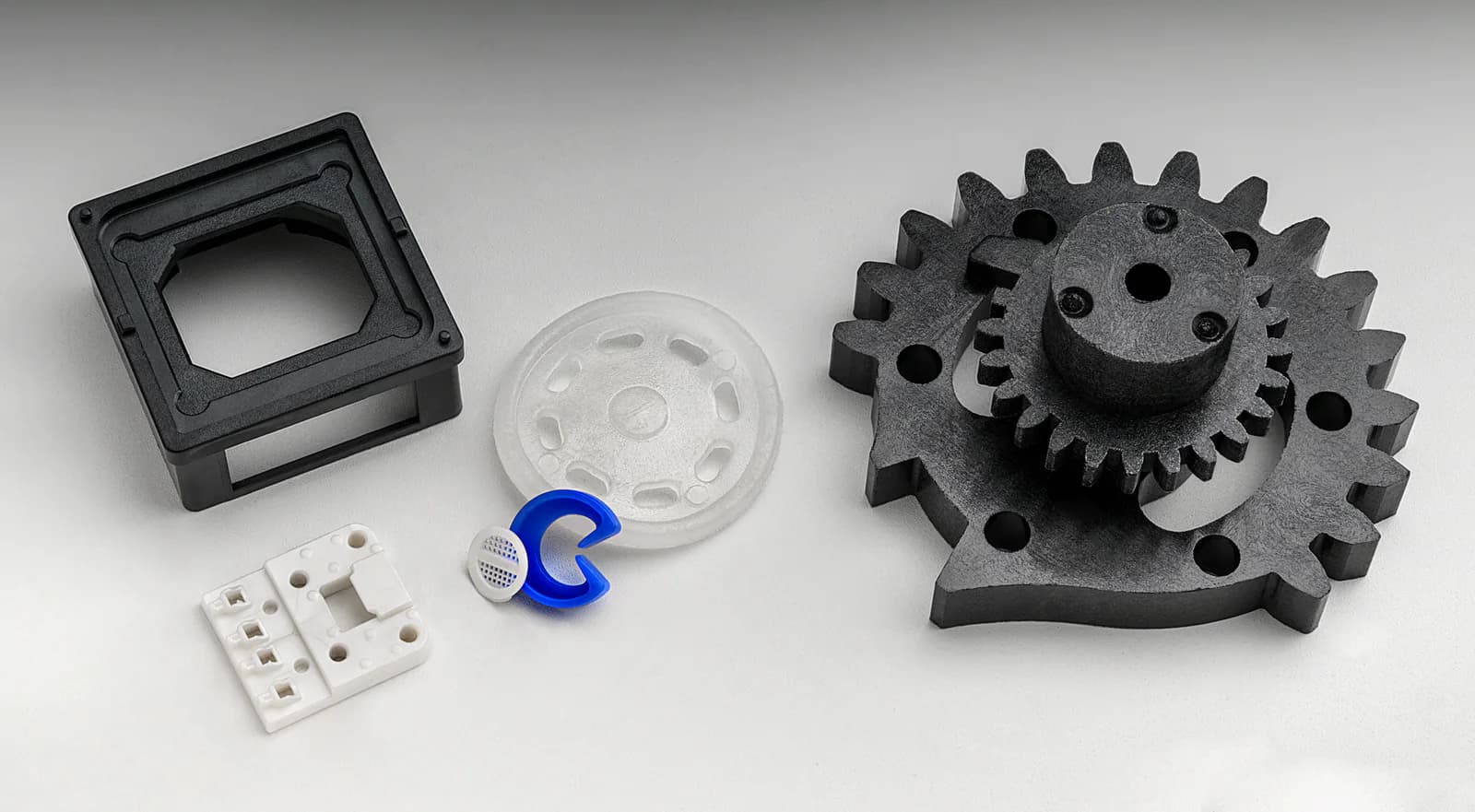
Small features shape material delivery, tooling, release, and measurement.
Melt behavior, moisture, thermal history, and grade selection must be evaluated with the cavity.
A controlled material charge and stable process window support the intended geometry.
Extraction and orientation connect molding with inspection, assembly, or packaging presentation.
02 / Material Behavior
Melt viscosity, melt stability, moisture, thermal transitions, mechanical behavior, and purity may influence how a polymer reaches and reproduces micro-scale geometry.
Explore the technical reference →Melt viscosity
Melt stability
Moisture condition
Thermal transitions
Mechanical behavior
Material purity
Current material proof point
PEEK
Current material proof point
Bioresorbable polymers
03 / Tooling + Process Control
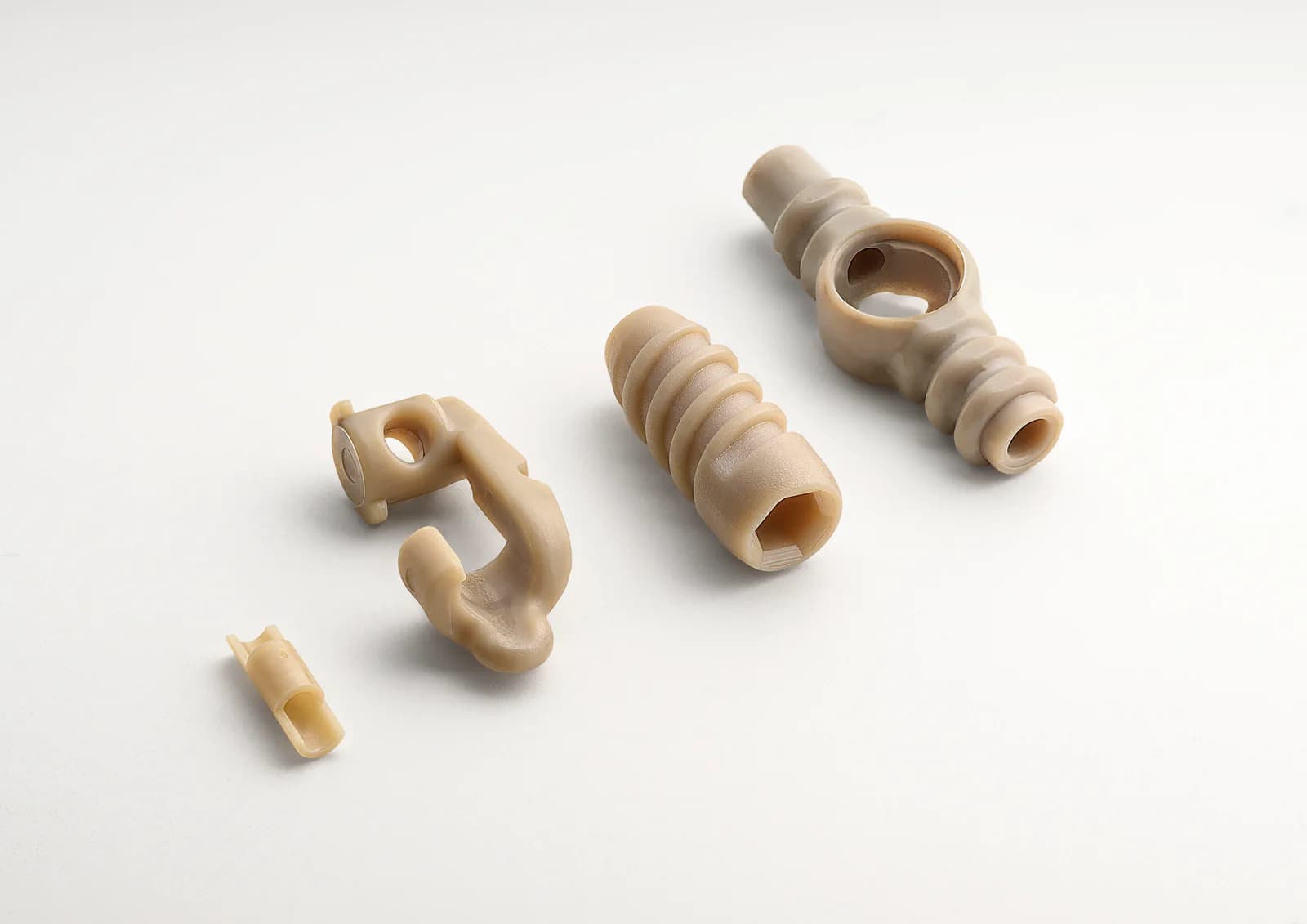
Tooling establishes cavity geometry, material pathways, thermal relationships, release surfaces, and the interface with extraction. Process development coordinates those relationships with the selected resin and component requirements.
Current tooling scope must be evaluated for each program; legacy equipment and software inventories are not represented here.
04 / Automated Handling + Vision
Fully automated micro-molding can connect extraction, maintained orientation, in-line vision inspection, and transfer into a coordinated manufacturing pathway.
01
02
03
04
05
05 / Development to Production
Connect component requirements with material, geometry, tool, and inspection strategy.
Develop representative molding, extraction, orientation, and measurement methods.
Build program-specific evidence around the selected process and acceptance criteria.
Integrate the controlled component process with downstream manufacturing at commercial scale.
06 / Related Cordica Expertise
The broader molding capability spanning injection, insert, overmolding, tooling, and controlled production.
→Polymer expertise connecting material behavior with geometry and processing.
→Continue molded components into inspection, assembly, presentation, and packaging.
→Connect component design and manufacturability before the production system is fixed.
→