
01
Material
Material selection covers a lot of ground here: foams, hydrocolloids, adhesives, the silicone layer that meets the skin, liners, fabrics, and nonwovens, each one chosen for a specific reason, not out of habit.

01 / Advanced Wound Care
Getting a wound-care product right starts with the material, but it doesn't end there. Cordica converts that material through multilayer lamination and precision die cutting, processes it in a cleanroom when a program calls for it, then carries it through assembly, scales it with automation, and provides the development support to see it through.
02 / Device System
A finished wound-care product is really several materials working as one: films, foams, adhesives, skin-contact layers, and liners, each one reshaped, positioned, bonded, and brought together before it's done.
01
Material selection covers a lot of ground here: foams, hydrocolloids, adhesives, the silicone layer that meets the skin, liners, fabrics, and nonwovens, each one chosen for a specific reason, not out of habit.
02
Raw material only becomes a real component after converting: cut and slit to size, laminated, dosed with adhesive exactly where it's needed, and placed with precision.
03
Ultrasonic welding or heat sealing joins the layers, whichever the construction calls for, and inspection confirms it held.
04
The finished product still must be kitted, labeled, and packaged, under process control tight enough to automate.
03 / Material Construction
This illustrates one possible construction. It isn't a universal dressing architecture, and the layer order isn't required.
Where the construction calls for a flexible outer layer, polyurethane film is one option that fits.
04 / Engineering + Manufacturing
Nothing here happens on its own: the material you pick and the layer order you choose determine how it can be cut and laminated, which shapes what joining and environmental controls must do to hold the product together.
Every layer earns its spot in the construction for a different reason, a film, a foam, a hydrocolloid, an adhesive, or the silicone layer that meets the skin, none of them interchangeable.
The geometry of a converted part, and how its layers line up with each other, gets decided through a sequence: material gets cut and slit to size, layers get laminated together, and adhesive goes on exactly where placement requires it.
What comes out of converting doesn't stop there. It still needs joining, a pass-through inspection, and a trip through assembly and packaging before the product is done.
Getting the same result run after run takes tight control over the process, machine-driven consistency, and cleanroom converting whenever the product can't tolerate anything less.
05 / Capabilities Around the Device
Multilayer lamination and slitting happen at the same precision level as the cutting and adhesive work, everything converted under conditions built to stay controlled.
→02Choosing the right polymer, film, or foam is only step one, that expertise carries through to whichever process turns the choice into a working material system.
→03A finished build still must go through inspection, kitting, labeling, and packaging. Automation handles whichever of those steps it can, without cutting corners.
→04Not everything can be converted from sheet material. When a system needs a molded part instead, that part gets built to fill the specific gap converting can't.
→06 / Development Pathway
Nothing here waits its turn: requirements get defined, prototypes get built, testing happens, and converting and assembly take shape, all on roughly the same timeline.
01
Prototypes are how the functional requirements and the construction's geometry get tested against reality.
02
Materials get selected, layer sequence gets set, and the converting and joining processes get worked out before production starts.
03
This is where controlled converting turns into a finished product: components get assembled, inspected, sorted into kits, and packaged.
04
Getting to commercial volume takes tight process control and automation, repeatable run after run.
07 / Application Context
01
A dressing works as one piece: adhesives and liners hold a skin-contact layer against absorbent material, all wrapped in a flexible film.
02
Absorbent and foam components get converted to fit the system's geometry and whatever assembly it requires.
03
Wherever antimicrobial properties matter, material conversion and multilayer assembly stay tightly controlled.
04
Hydrocolloid and foam platforms depend on cutting, lamination, and placement that's controlled at every step, then integrated into one material system.
Related Market 01
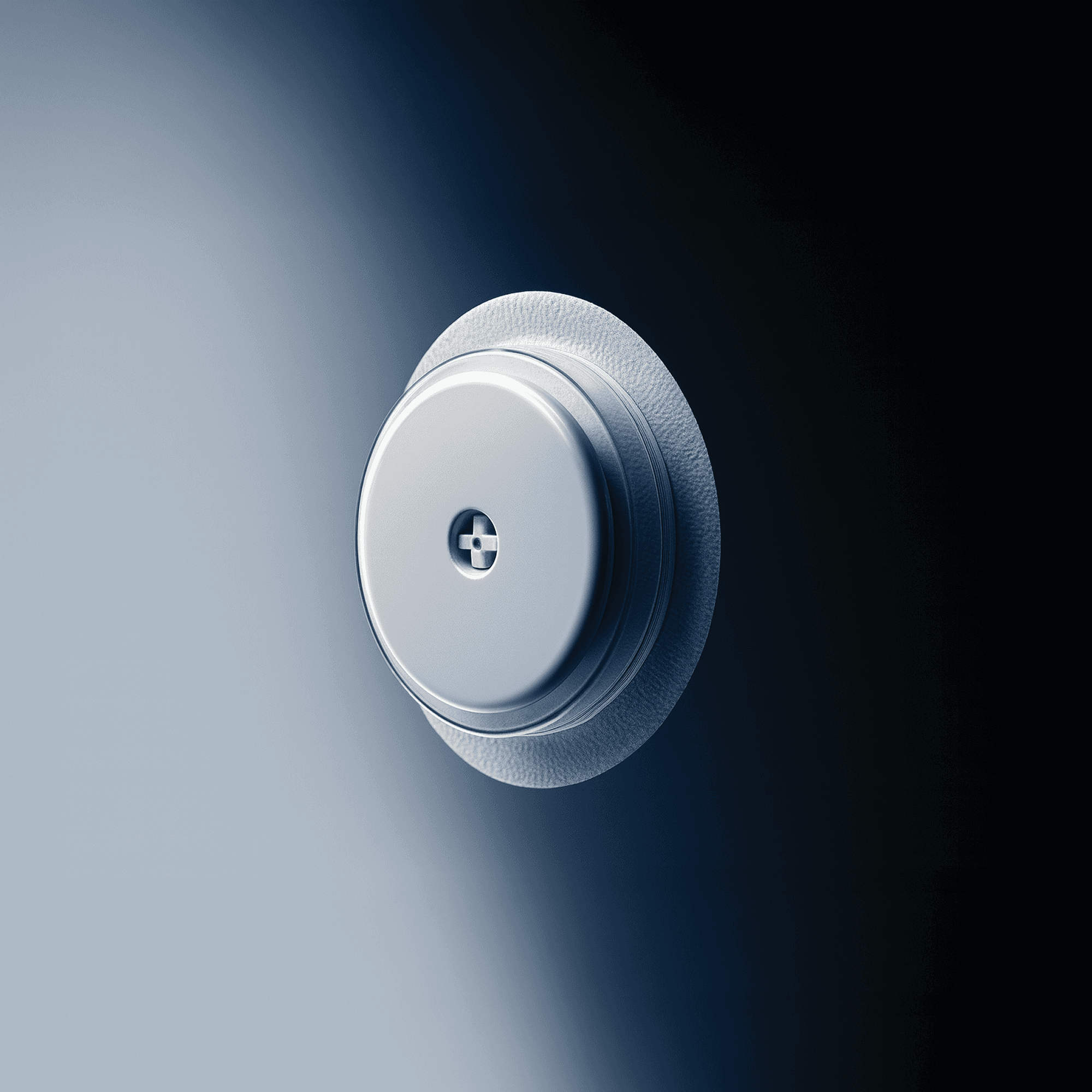
The same flexible interfaces and multilayer constructions, this time built to support a wearable device.
Explore Market →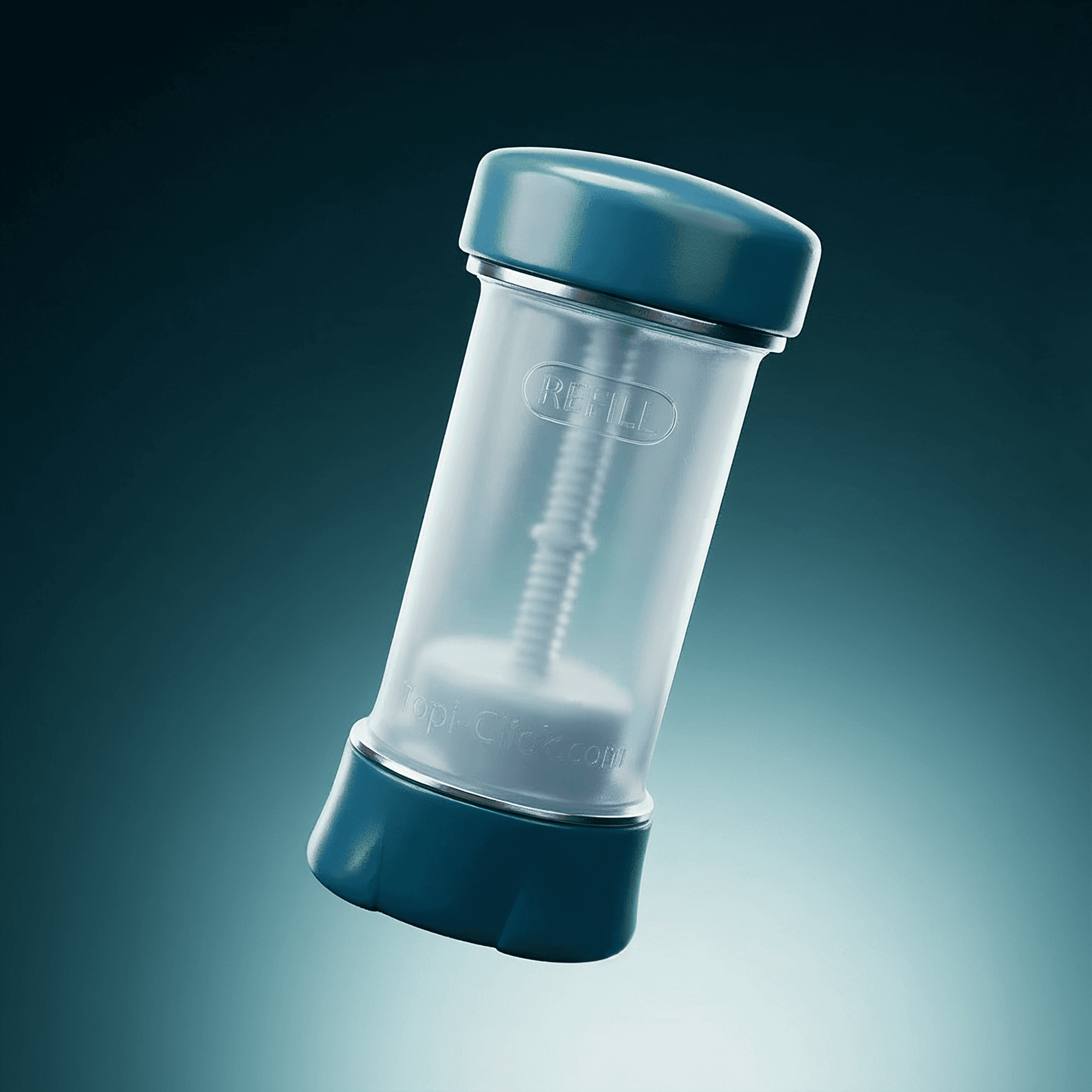
Related Market 02
Components, materials, and interfaces come together differently here, built for delivery architectures instead of wound care.
Explore Market →Start a Project