
01
Flexible Device
Steering, distal processing, and reinforcement all have to work through the same tubing geometry, not around it.
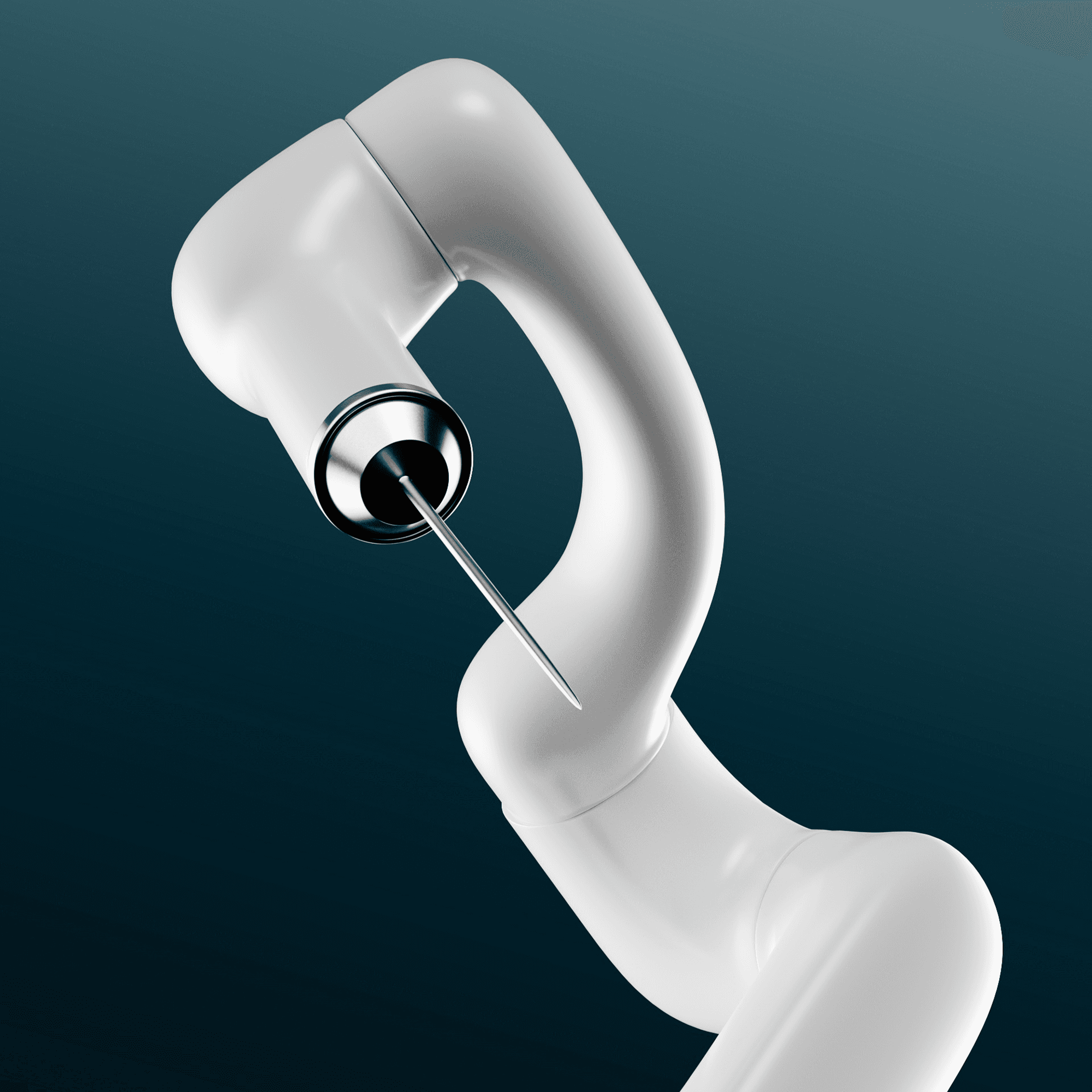
01 / Robotic-Assisted Surgery
Robotic-assisted and minimally invasive programs need more than one specialty stitched together. Cordica keeps device engineering, catheter manufacturing, precision components, electronics integration, molding, and automated assembly all under one roof.
02 / Device System
At the patient interface, nothing works in isolation. The shaft, the delivery instrument, molded parts, sensors, electronics, and the materials holding it all together must function as a single system.
01
Steering, distal processing, and reinforcement all have to work through the same tubing geometry, not around it.
02
Whether it's molded, catheter-based, or purely mechanical, every component connects through an interface that's defined up front.
03
The electrical side carries its own weight: sensors, PCBs, embedded components, and the firmware decisions that tie them together.
04
Getting the device built right the first time takes precision assembly, careful inspection, functional testing, and controls that hold up run after run.
03 / Robotic Device Subsystem
This section describes the medical-device components Cordica supports. It is not a description of the complete surgical robot.
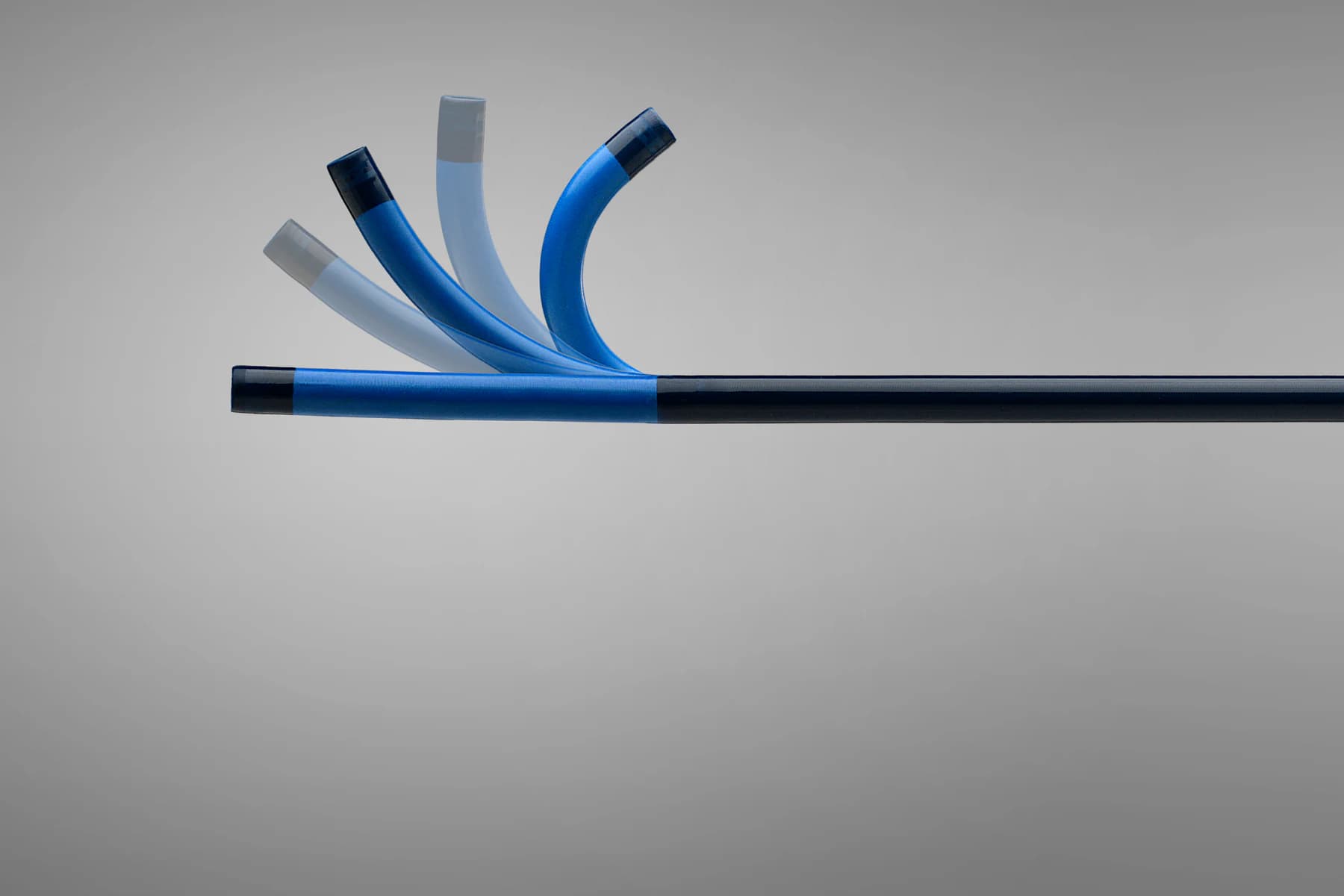
Robotic-assisted device capability / 01
The tubing's geometry, its reinforcement, and its polymer layers all must answer to the same steering and distal-processing requirements, not develop on separate tracks.
04 / Engineering + Manufacturing
A robotic-assisted device rarely stays inside one engineering discipline. Most span several at once.
An instrument only delivers with control if everything behind it, the tubing, the reinforcement, the steering, the distal processing, was engineered as one system.
Every molded and mechanical part carries its geometry, material choice, and interface requirements with it, all the way into the assembly it eventually joins.
None of it runs in a vacuum. Sensors, PCBs, mechanical elements, and the firmware behind them get designed as one operating system from day one.
It doesn't matter where a line sits on the manual-to-automated spectrum, testing and inspection are part of the build, not a separate stage bolted on.
05 / Capabilities Around the Device
Tubing built to spec for whatever the catheter-based or minimally invasive design requires, not adapted from a standard part.
→02Components too small or too intricate for standard tolerances get molded, and micro-molded, to the precision they need.
→03The material decisions behind tubing, molded parts, flexible systems, and how they all come together, made by people who understand the process, not just the polymer.
→04From wiring a sensor into place through the final packaging, precision assembly and inspection carry the device the rest of the way.
→06 / Development Pathway
Before a device ever transfers to manufacturing, its mechanical, electrical, firmware, component, and assembly decisions need to already agree with each other.
01
The mechanical, electrical, and firmware work takes shape here, tested against real human-factors input as the prototype comes together.
02
Components, catheters, and sensors get their manufacturing processes worked out before assembly ever starts at scale.
03
The device comes together for real here: mechanical integration, precision assembly, and the inspection and functional testing that confirm it works.
04
Volume production runs on automation and tight production controls, finished off with kitting, labeling, and packaging.
07 / Application Context
01
A robotic platform still needs something flexible enough to steer through the procedure itself, that's what the catheter construction is built to do.
02
Whatever device the procedure requires reaches the platform through an interface engineered specifically to control that handoff.
03
Sensors, electronics, PCBs, and mechanical parts don't get integrated after the fact here, they're designed into the architecture together.
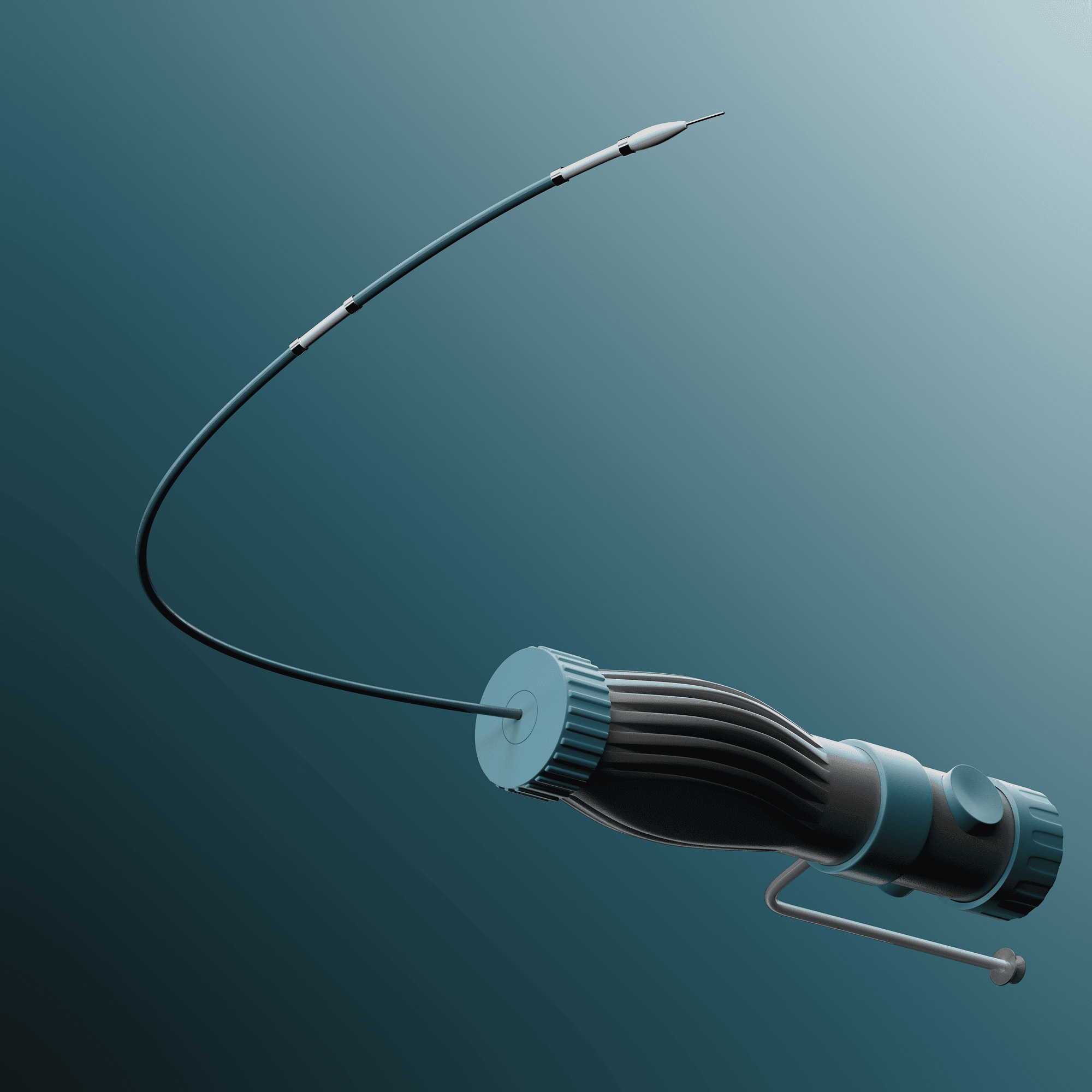
Related Market 01
The same catheter and delivery-system engineering, applied across cardiovascular programs instead.
Explore Market →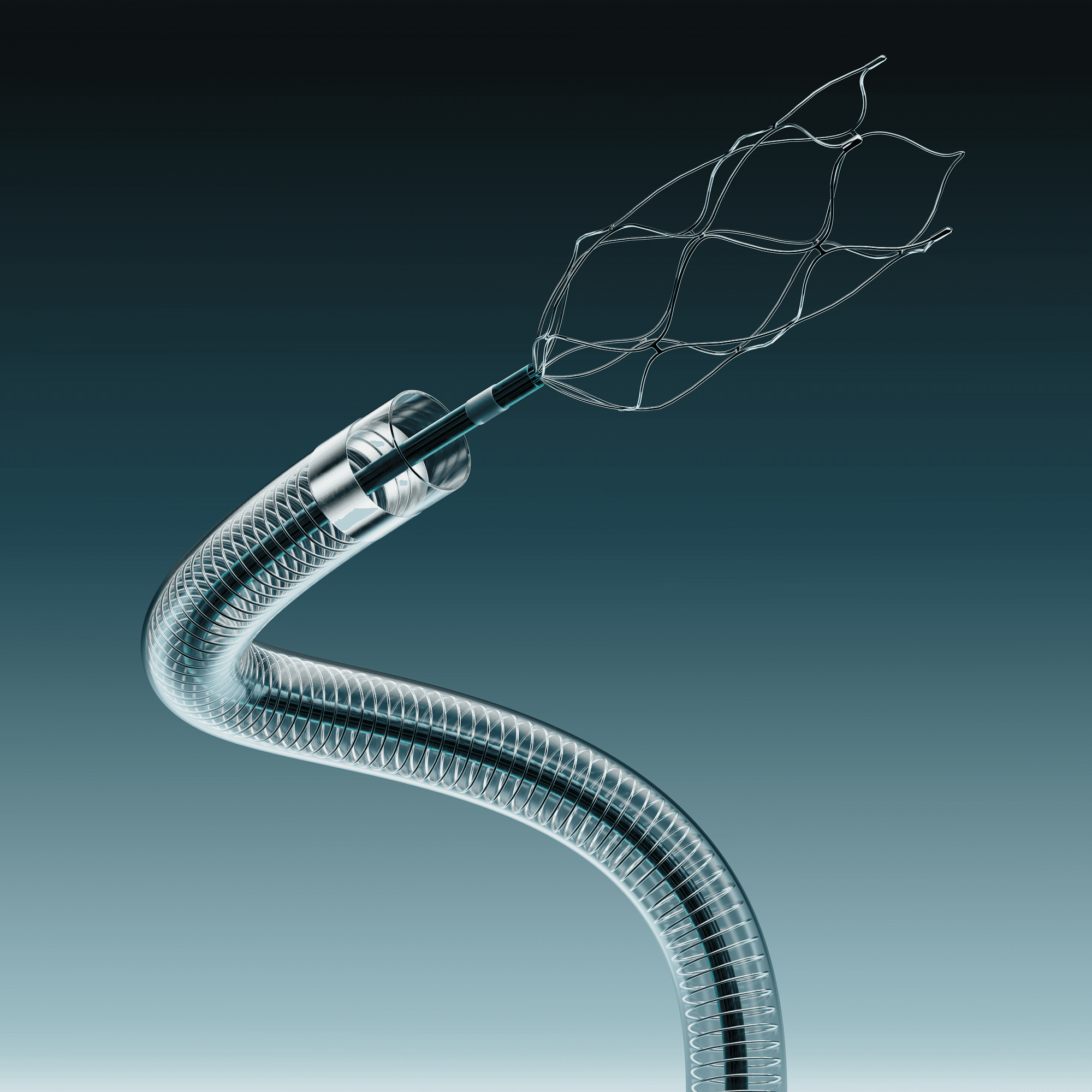
Related Market 02
The same engineering discipline, applied to neurovascular anatomy, where there's even less room for error.
Explore Market →Start a Project