01
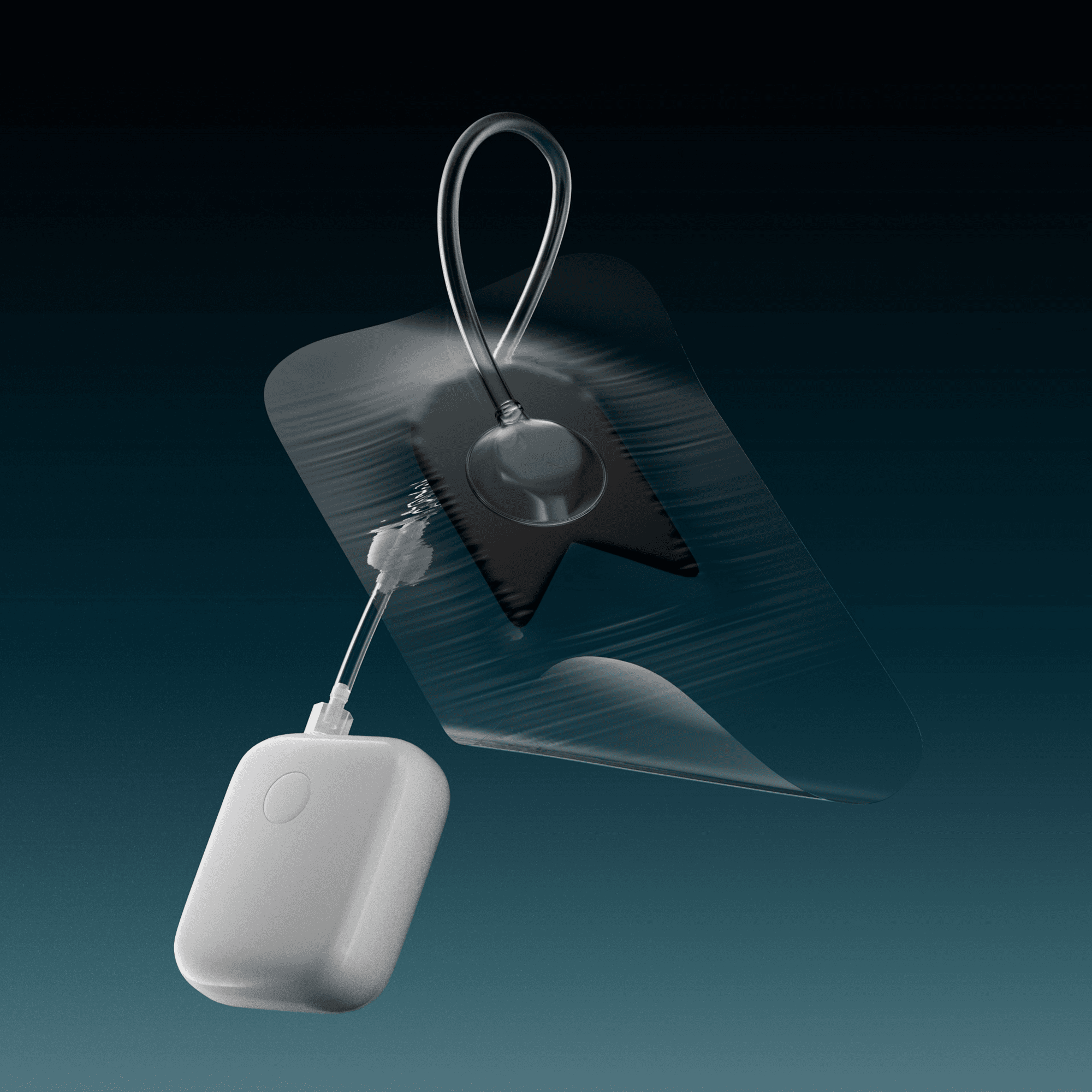
Patient Interface
The adhesive films, liners, and flexible substrates that manage how a device attaches to the body and holds up under everyday handling.
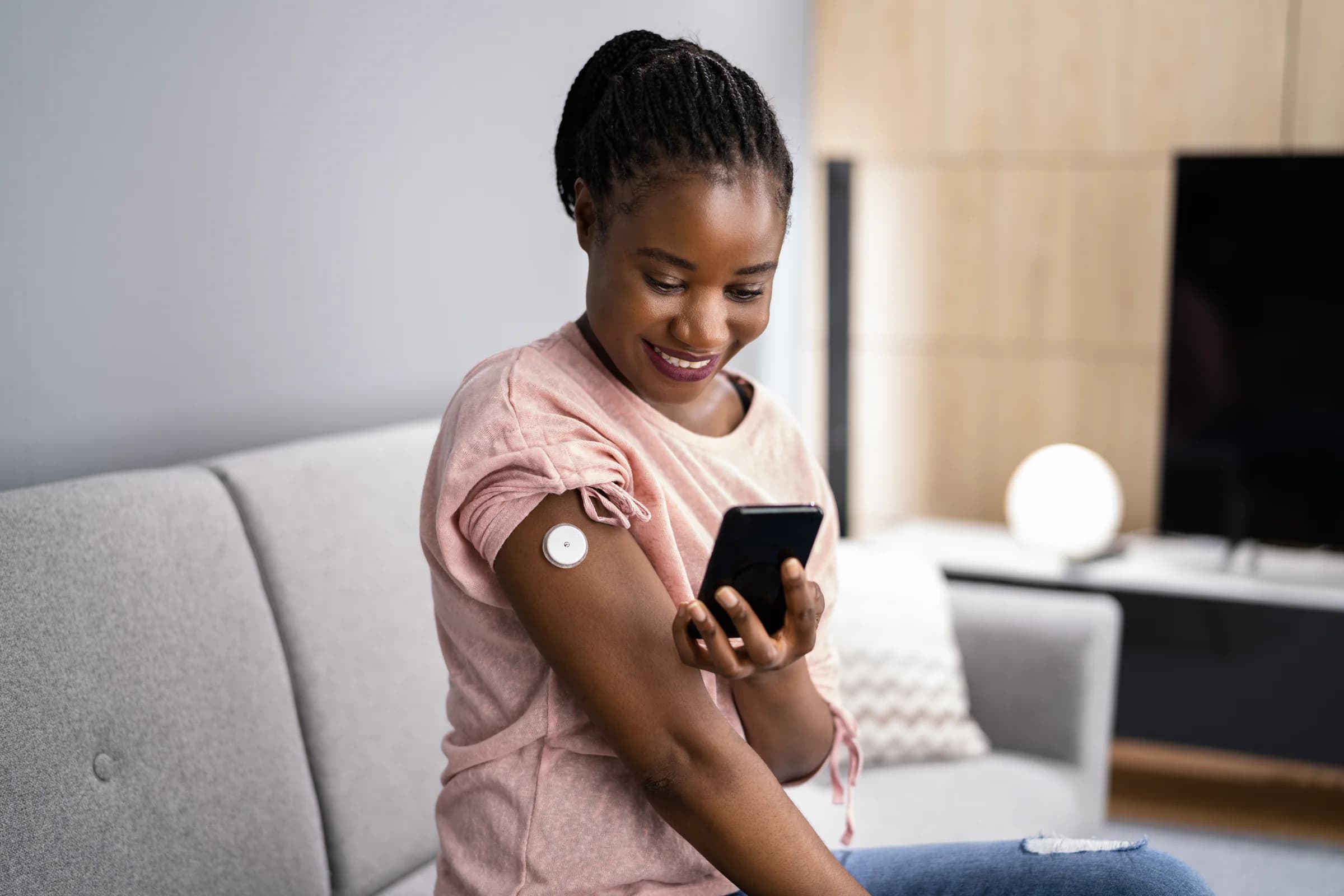
01 / Wearable Patient Monitoring
From component development through scalable production, Cordica brings together medical converting, materials expertise, precision molding, sensor and electronics integration, assembly, inspection, and automation under one roof.
02 / Device System
A wearable's compact footprint asks a lot of its build. Flexible materials, adhesives, films, sensors, electronics, molded components, and precision assemblies all must function as one system, not as parts stacked on top of each other.
01
The adhesive films, liners, and flexible substrates that manage how a device attaches to the body and holds up under everyday handling.
02
The metallized films, specialty plastics, and converted constructions that form the device's functional core.
03
The sensors, electronics, PCBs, molded housings, and inserts that make up the finished build, along with the interfaces that tie them together.
04
From integration through inspection, functional testing, automation, labeling, and packaging, right up to a finished, shippable device.
03 / Patient Interface + Device Architecture
The visualization is illustrative and is not a universal wearable architecture or required material sequence.
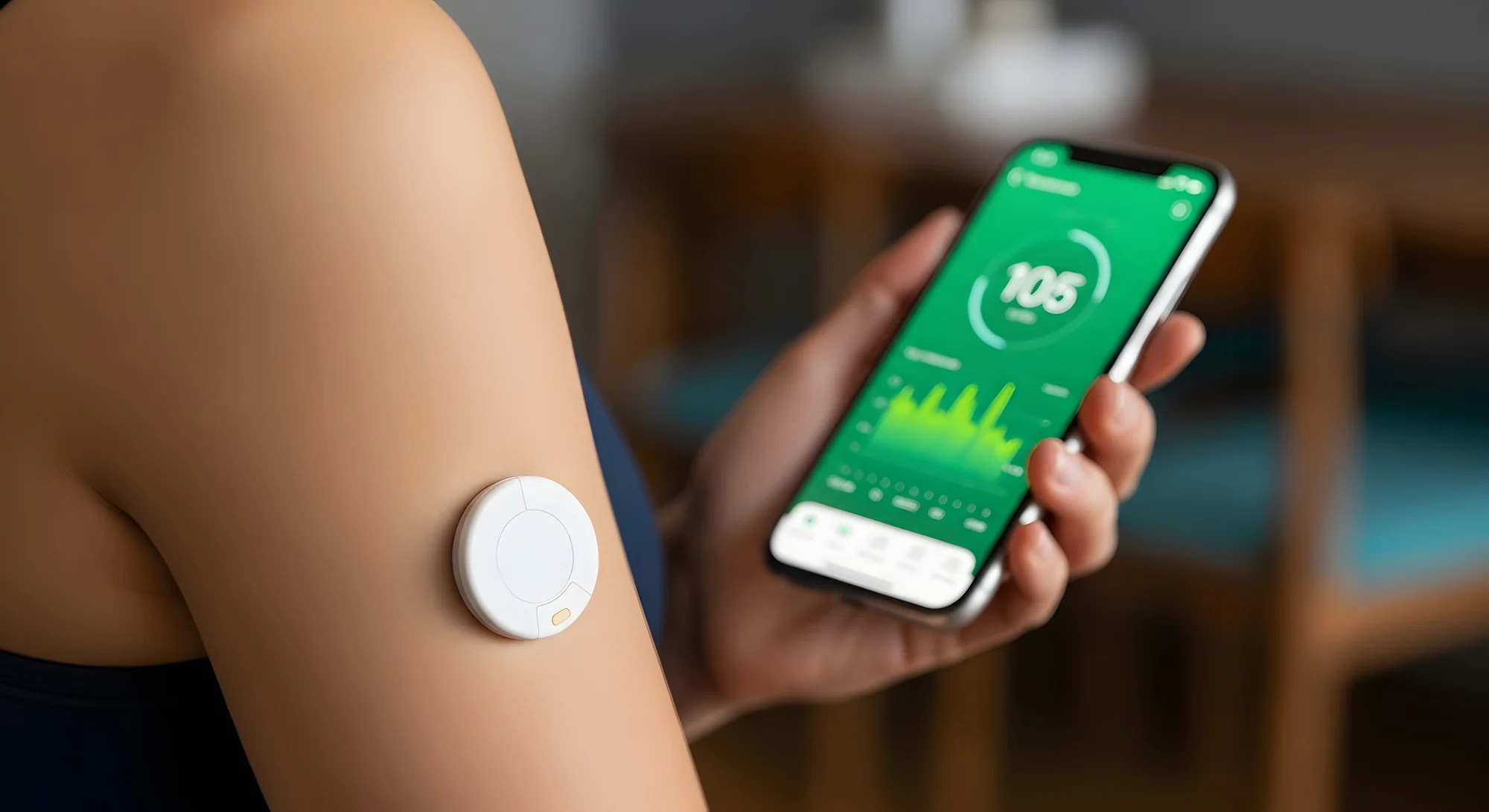
Patient interface + device architecture / 01
Medical-grade adhesive film and flexible substrates form the layer that meets the skin.
04 / Engineering + Manufacturing
At this scale, materials and construction can't be evaluated on their own. Compact geometry and integrated constructions mean every decision touches the rest of the build.
Attachment, protection, electrical function, handling, and assembly all rely on the same layered stack of adhesive films, metallized films, liners, specialty plastics, and flexible substrates.
A wearable's geometry, housings, interfaces, inserts, and multilayer relationships all take shape through precision converting and molded components.
Compact monitoring architectures depend on sensors, electronics, PCBs, and mechanical interfaces working as one integrated system.
As volume grows, assembly can shift from manual processes to automated ones, with inspection and functional testing built in at every stage.
05 / Capabilities Around the Device
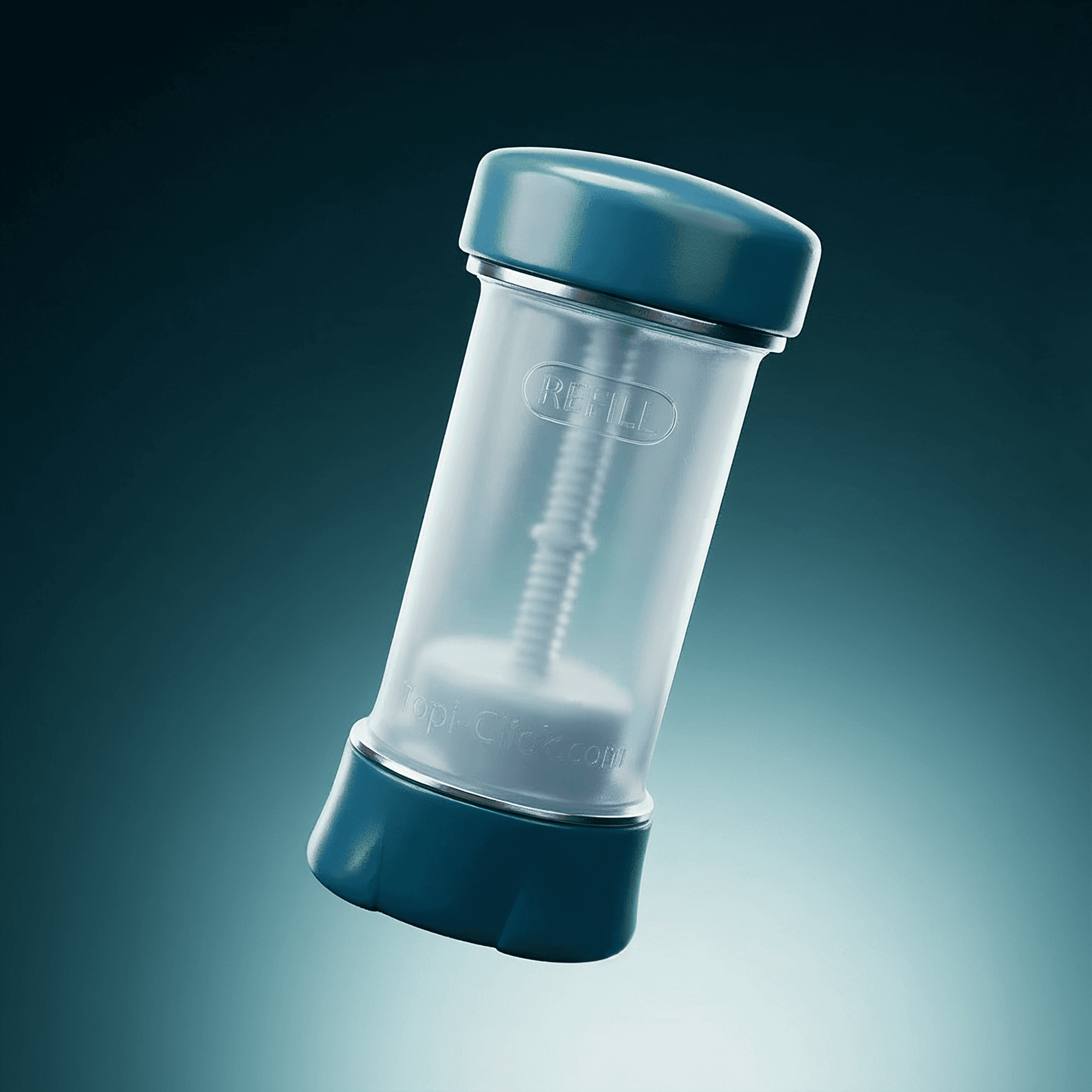
Precision die cutting, multilayer lamination, slitting, adhesive work, and flexible-material processing, brought together under one roof.
→02Injection and micro-molding capacity built for the housings, interfaces, inserts, and components a wearable program calls for.
→03Deep familiarity with flexible constructions, polymers, and films informs the right process for every material decision.
→04From sensor integration through assembly, inspection, kitting, labeling, and packaging, handled end to end.
→06 / Development Pathway
Engineering, human factors, electronics, prototypes, testing, and manufacturing readiness connect with the production system.
01
Defining the user interface, sensor requirements, architecture, and early prototypes.
02
Selecting the right materials and substrates, then setting up converting, molding, and integration processes.
03
Sensor integration, precision assembly, inspection, and functional testing, running as one continuous process.
04
Automation, labeling, packaging, and the production controls that hold quality steady at volume.
07 / Application Context
01
The build a continuous glucose monitor depends on: converted substrates, adhesive constructions, cover tapes, molded components, and interfaces.
02
Cardiac monitoring devices call for wearable substrates, adhesive interfaces, flexible constructions, electronics, and components sized to fit.
03
A pulse oximeter's profile: flexible substrates, converted materials, component integration, and assembly built to scale.
04
Components suited to external defibrillator and pacemaker applications, within the wider category of monitoring devices.
Start a Project