
Injection Molding
Prototype-through-production runs of close-tolerance components, using thin-wall, family-mold, hot-runner, or cold-runner approaches as the part requires.
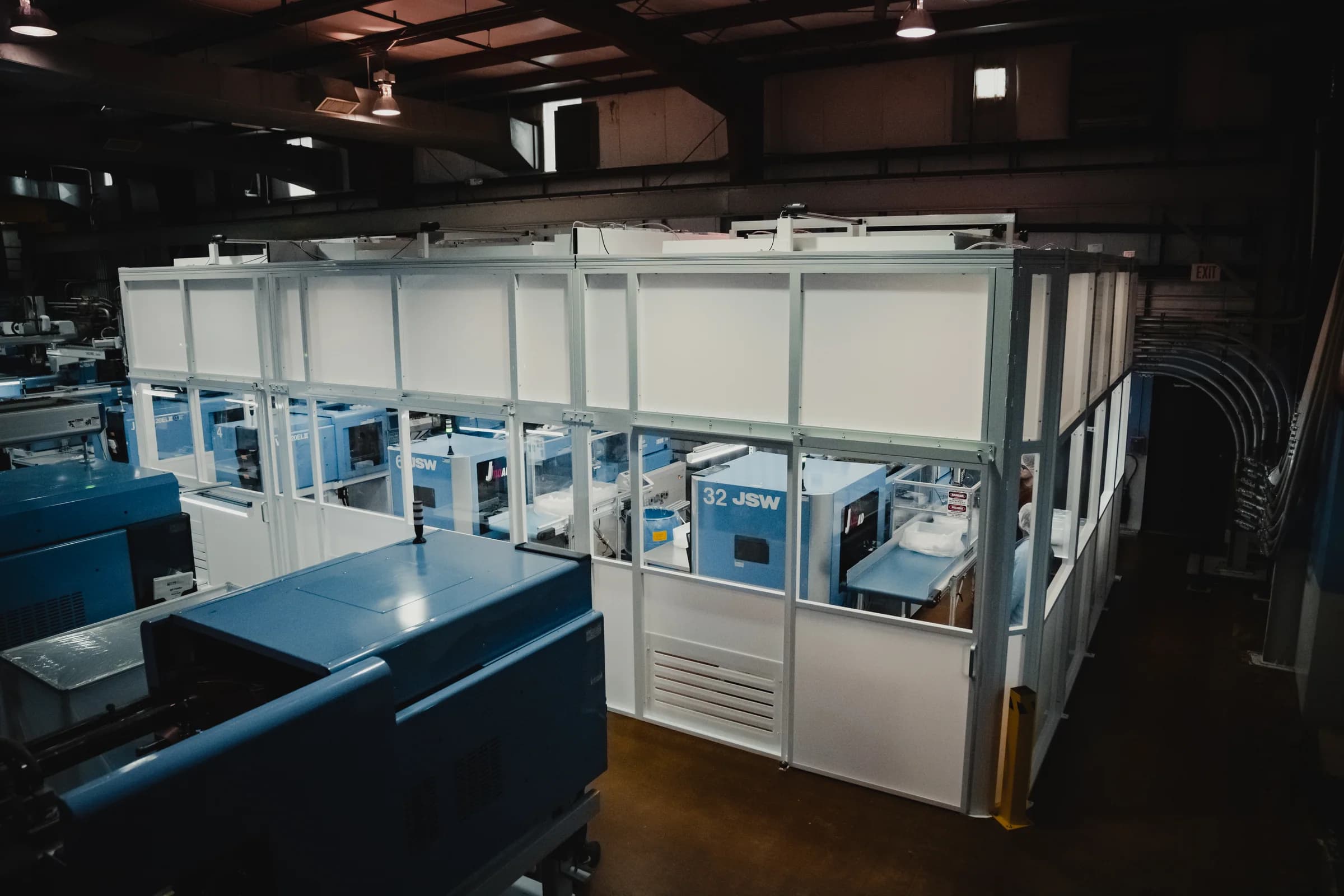
01 / Cleanroom Molding
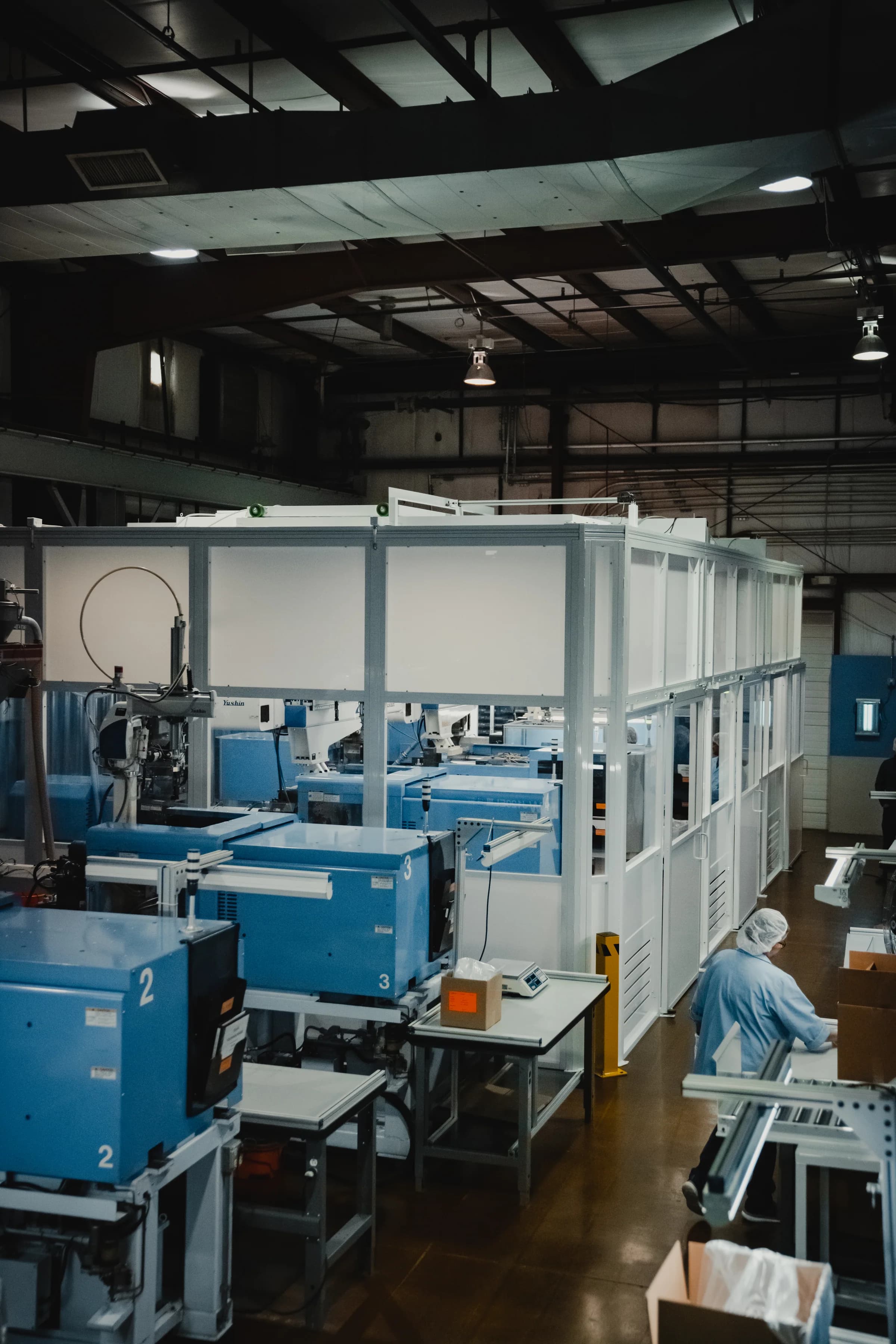
Cordica delivers injection molding, insert molding, overmolding, and multi-material component manufacturing for medical devices, backed by precision micro-molding, in-house tooling, automation, and cleanroom environments where a program requires them.
02 / Capability Overview
The right approach comes out of the part itself: its geometry, resin behavior, tolerance requirements, inserts, interfaces, stage of development, production volume, tooling, downstream operations, and any environmental controls the program calls for.
Prototype-through-production runs of close-tolerance components, using thin-wall, family-mold, hot-runner, or cold-runner approaches as the part requires.
Functional elements or pre-existing inserts integrated directly into a molded construction, under controlled process conditions.
Compatible substrates paired with molded materials to build grips, seals, interfaces, and other integrated components.
Tooling and process development suited to thin walls, intricate features, unscrewing molds, and parts with close dimensional relationships.
Extremely small components and features, supported by specialized extraction methods and automated micro-molding processes.
Tooling built around the part and the production need, whether that calls for prototype tooling, single- or multi-cavity molds, hot-runner systems, family tools, or insert tooling.
03 / Part / Tool / Process
This technical view is explanatory only and does not represent part dimensions.
Active technical mode
Very small, tightly toleranced features, produced with dedicated extraction methods and molding processes built for micro-scale parts.
04 / Tooling + Controlled Production
Materials and tooling both have to support the part's geometry and hold up under repeated production runs. Controlled-environment molding comes into play on programs where requirements call for it, though that does not mean every operation in a program runs inside that same environment.
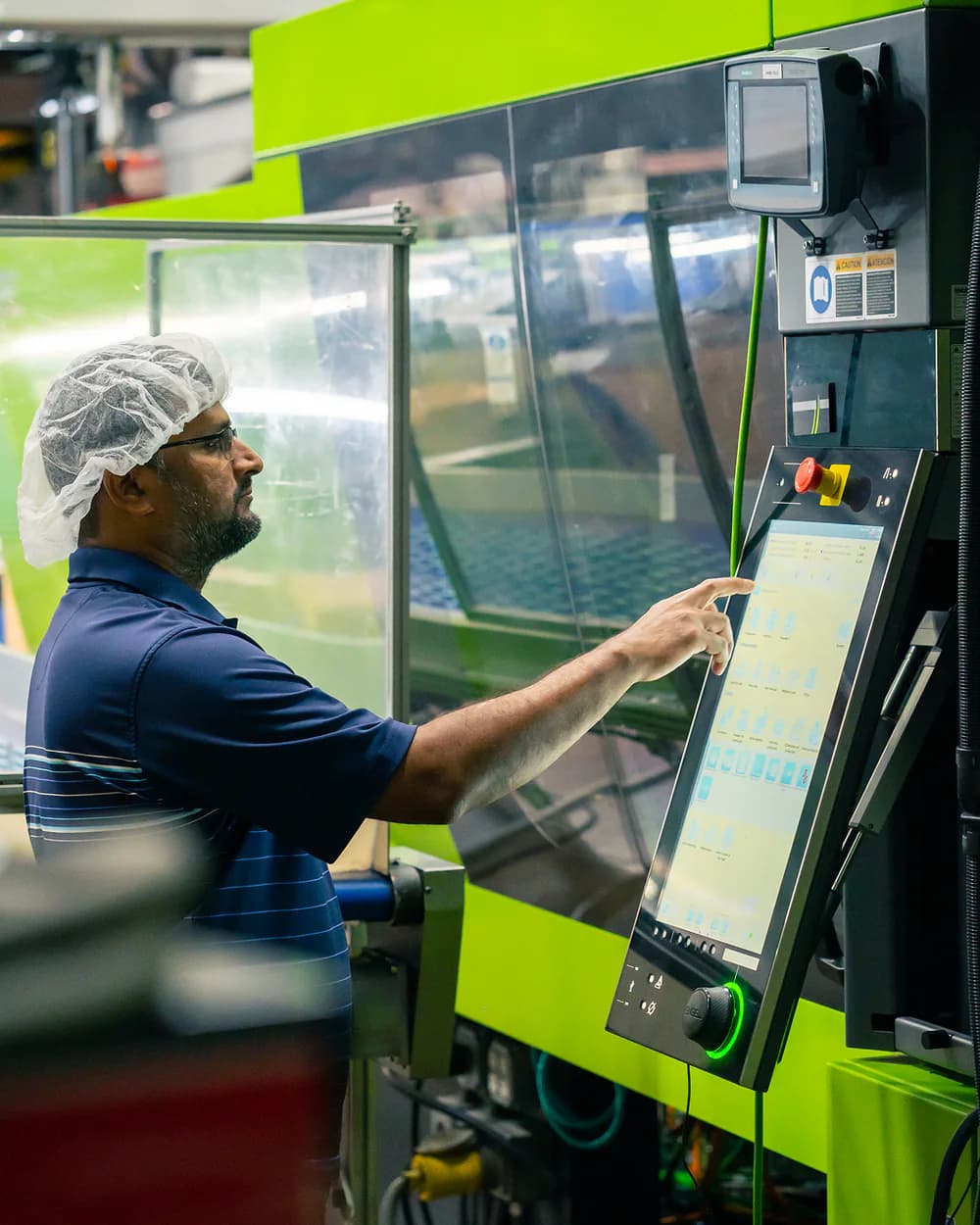
Automated molding cells and robotic integration reduce manual handling and support tighter part-to-part consistency as production volume increases. Specialized extraction methods protect delicate, thin-wall, or micro-scale features as parts come out of the tool, and insert molding can run directly inside an automated cell rather than as a separate manual step. On applicable programs, that automation can extend into downstream assembly integration as well, connecting molding and assembly into one continuous process instead of two disconnected steps.
Beyond the molding step itself, Cordica supports a range of downstream processes that carry a component closer to a finished, shippable part. Pad printing and hot stamping apply logos and markings directly to molded surfaces, while labeling and lot coding support the traceability regulated medical device production depends on. Shrink sleeving adds tamper evidence or branding where a program calls for it, and sonic welding joins molded components into a sealed, mechanically secure assembly. These downstream processes can run as standalone steps or as part of a connected assembly sequence, depending on what a given program needs.
05 / Development + Production
This flow is explanatory. It is not a fixed sequence of engagement.
01
Geometry, interfaces, inserts, and downstream requirements defined up front.
02
A tooling approach selected around the part itself and the production volume it needs to support.
03
Resin behavior evaluated alongside part geometry and any joining requirements.
04
Molding connected to process controls and downstream assembly.
06 / Applications
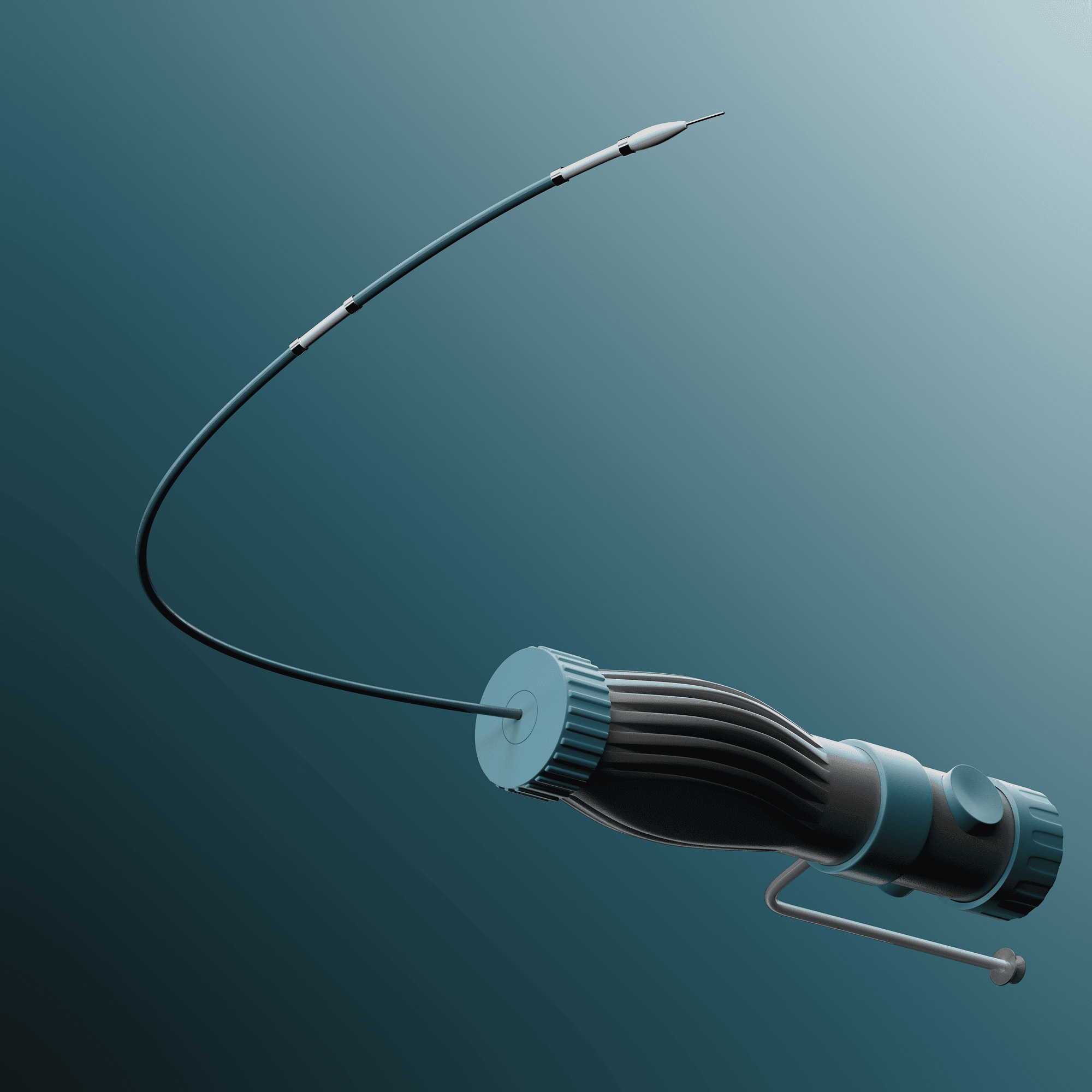
01 / Market
Small interfaces, handles, housings, and other catheter or delivery-system components.
Explore Market →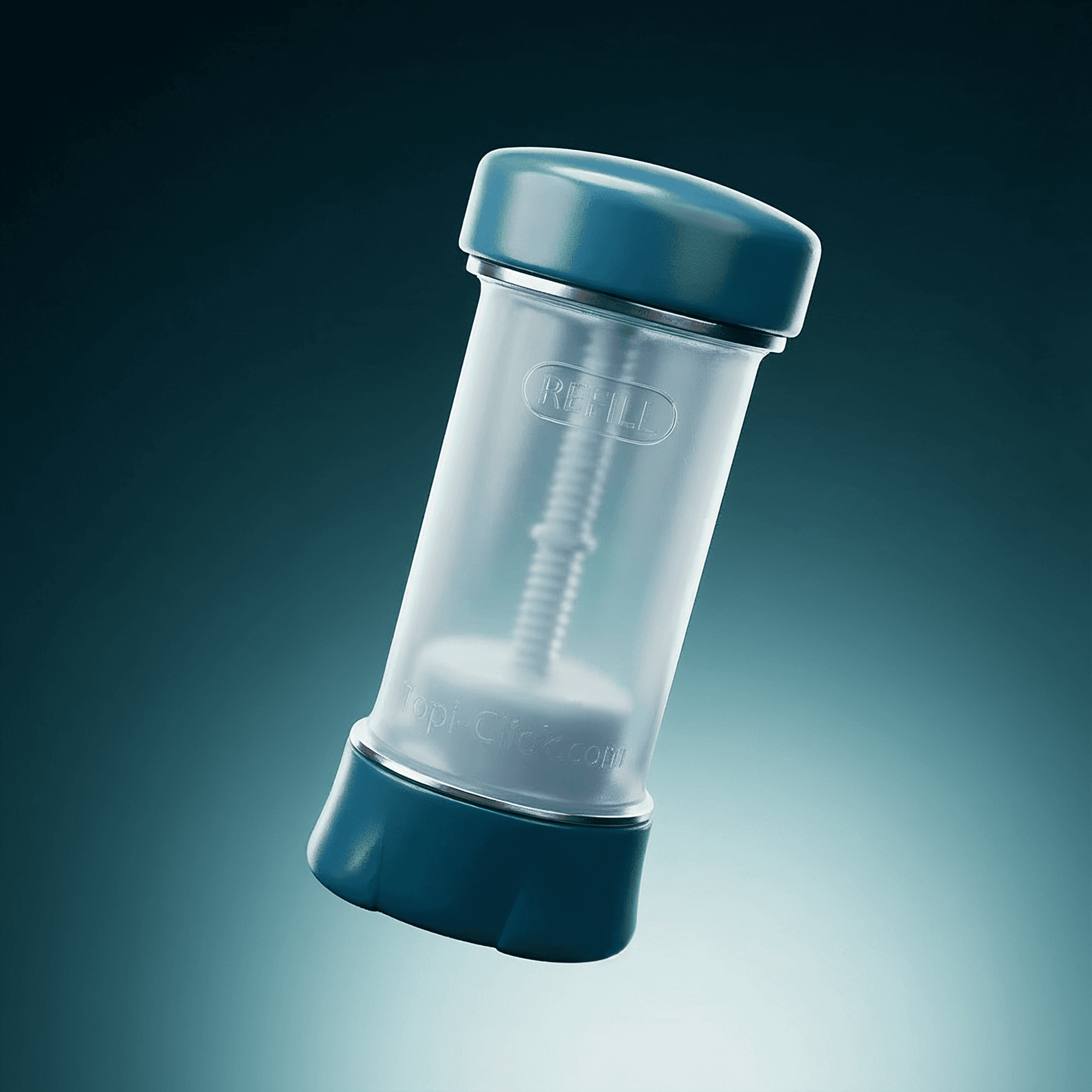
02 / Market
Components for delivery devices and metered-dosing systems, along with the interfaces and assembly elements that support them.
Explore Market →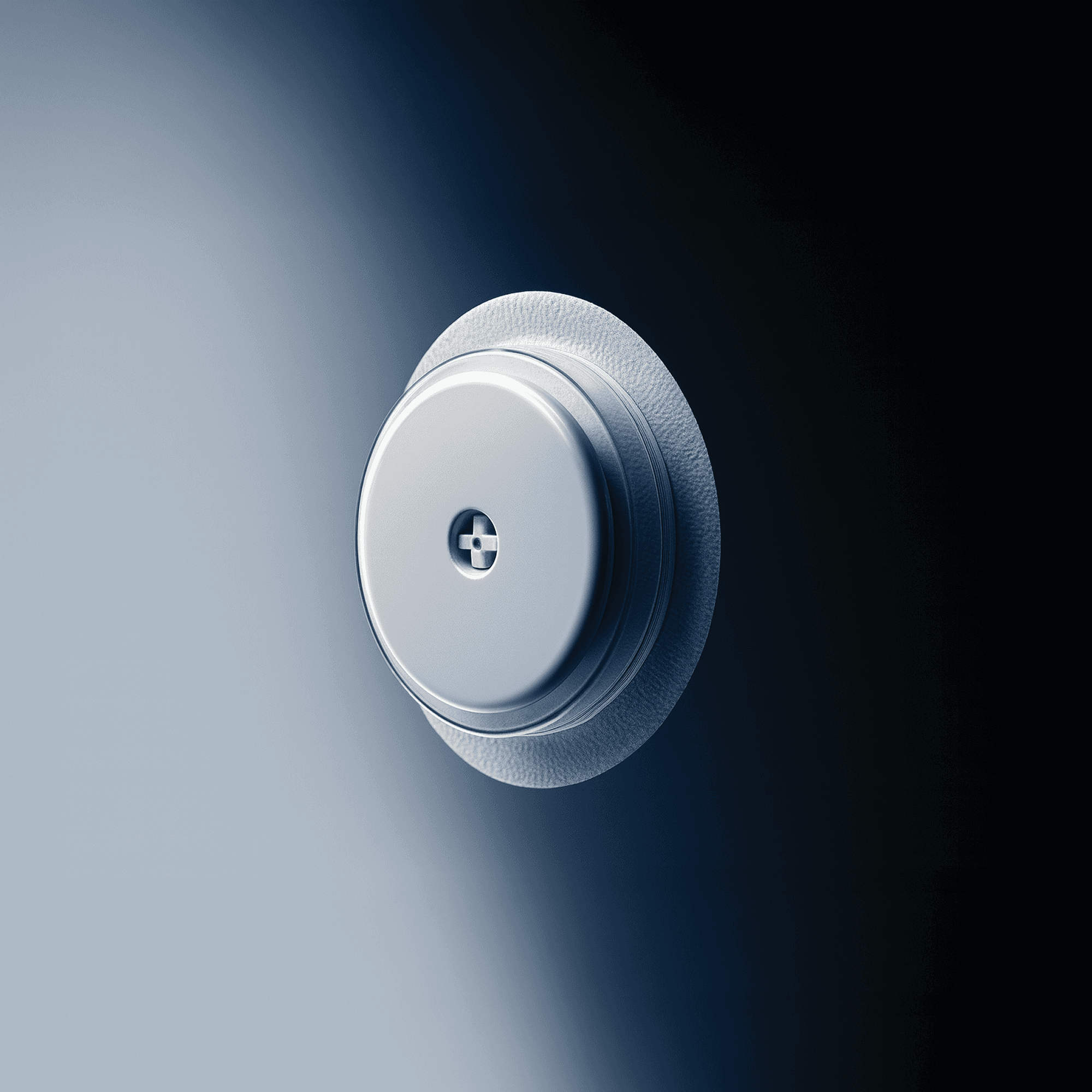
03 / Market
Housings, sensor-support components, and molded interfaces built for wearable monitoring devices.
Explore Market →07 / Connected Expertise
Component design, prototyping, testing, tooling, and manufacturability, connected from the start.
→02Resin behavior evaluated alongside geometry, tooling, joining, and production requirements.
→03Molded components carried forward into joining, assembly, inspection, and packaging.
→
Start a Project