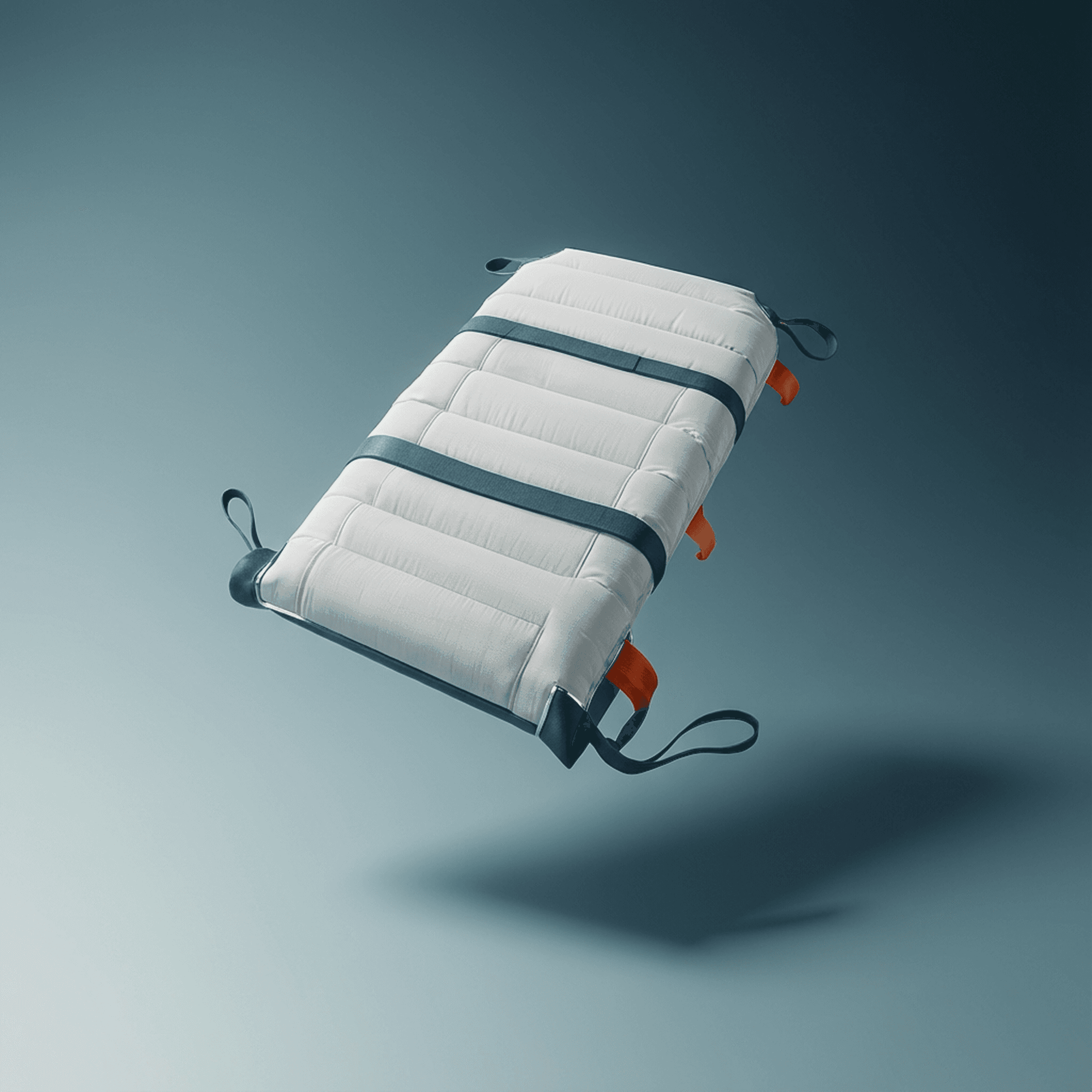
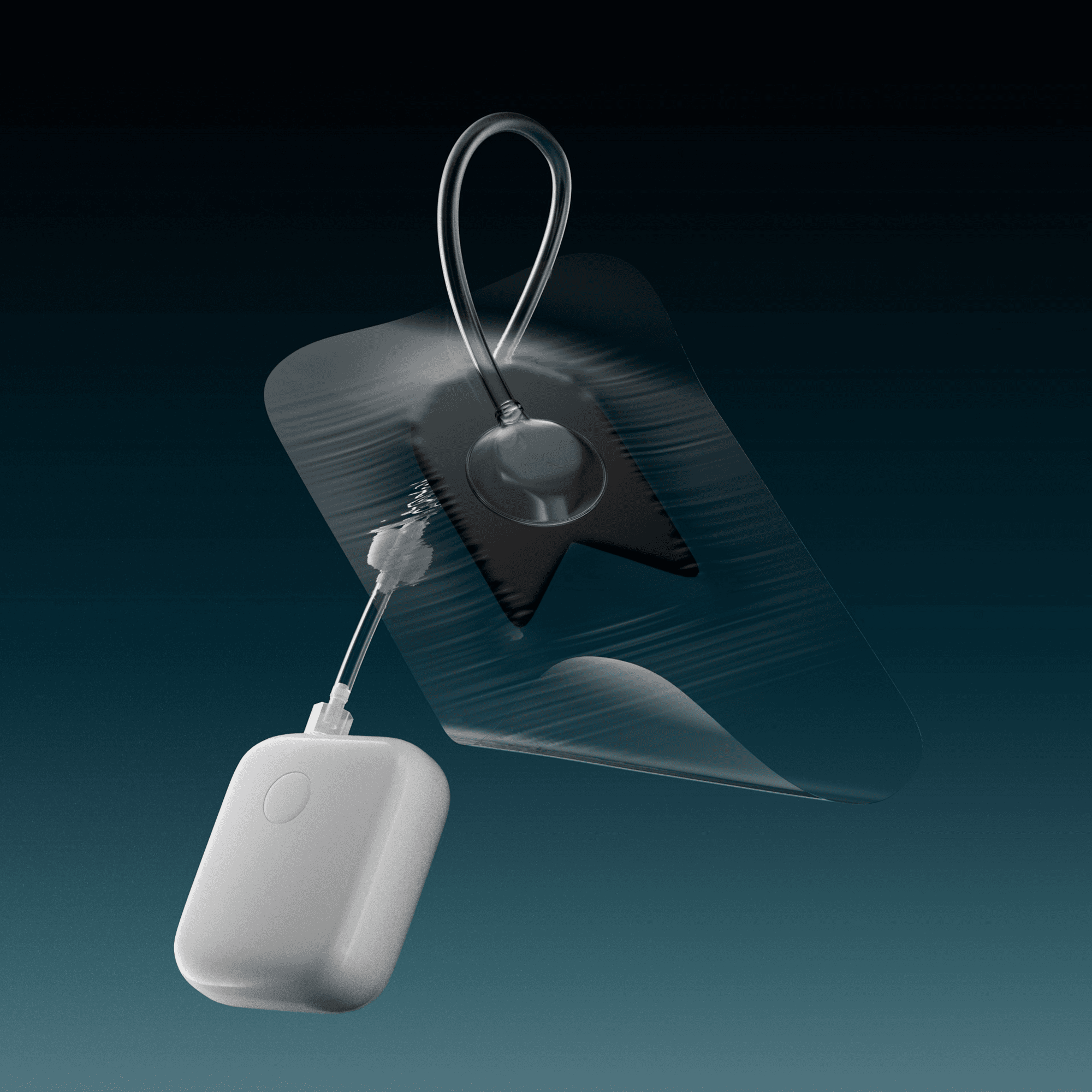
Conventional Stitching
Single-needle, double-needle, zig-zag, overlock, flatlock, cover stitching, and walking-foot methods, applied as the construction requires.
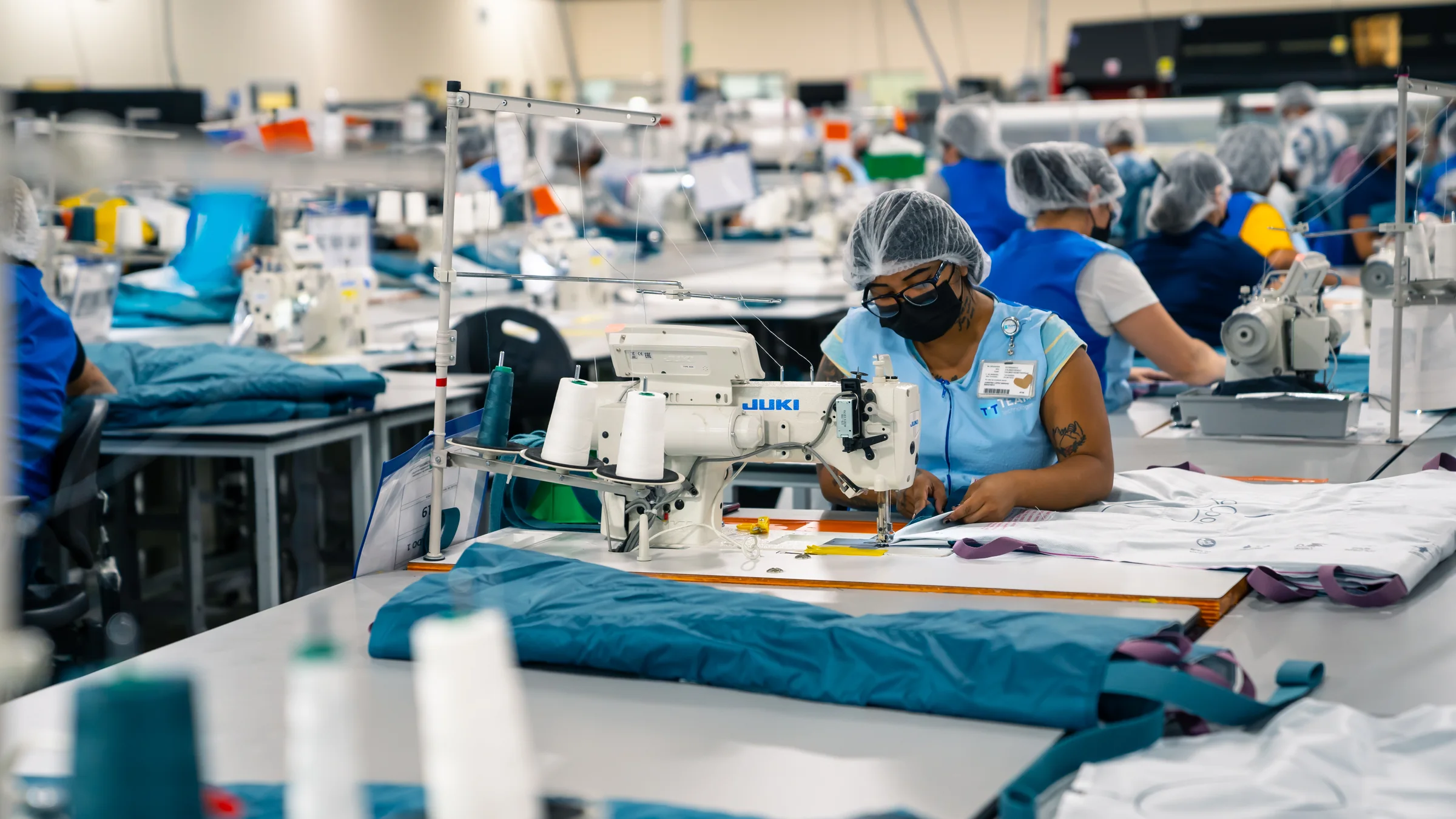
01 / Advanced Medical Sewing
Cordica brings together advanced sewing, programmable stitching, RF welding, ultrasonic joining, material compatibility evaluation, component integration, and scalable production for flexible medical device products.
02 / Capability Overview
A repeatable flexible-product design depends on how textiles, films, reinforcement, closures, padding, molded elements, stitch patterns, and joining methods work together.
Single-needle, double-needle, zig-zag, overlock, flatlock, cover stitching, and walking-foot methods, applied as the construction requires.
Small- and large-field programmable tackers that support controlled stitch patterns and repeatable construction runs.
Stitch type, thread weight, equipment, material stack, reinforcement, and geometry evaluated together rather than in isolation.
Nylons, polyesters, nonwovens, additives/coatings expertise to help engineer optimal performance and cost
Small- and large-field programmable tackers, robotic controlled systems for scale.
Complex components integrated into a finished device to create the next generation of medical technologies – Sensors, Electronics, Patient Monitoring.
Screen printing, pad printing, digital inkjet printing.
Product and process design that support scale
03 / Construction + Joining
Sewing, RF welding, and ultrasonic joining each suit different materials, and none of the three works across every one of them.
Active technical mode
Needle, stitch, thread, equipment, material stack, reinforcement, and geometry evaluated together.
04 / Flexible Materials
Which process applies, whether that means sewing, welding, or a combination of the two, comes down to material compatibility and the architecture the finished product needs.
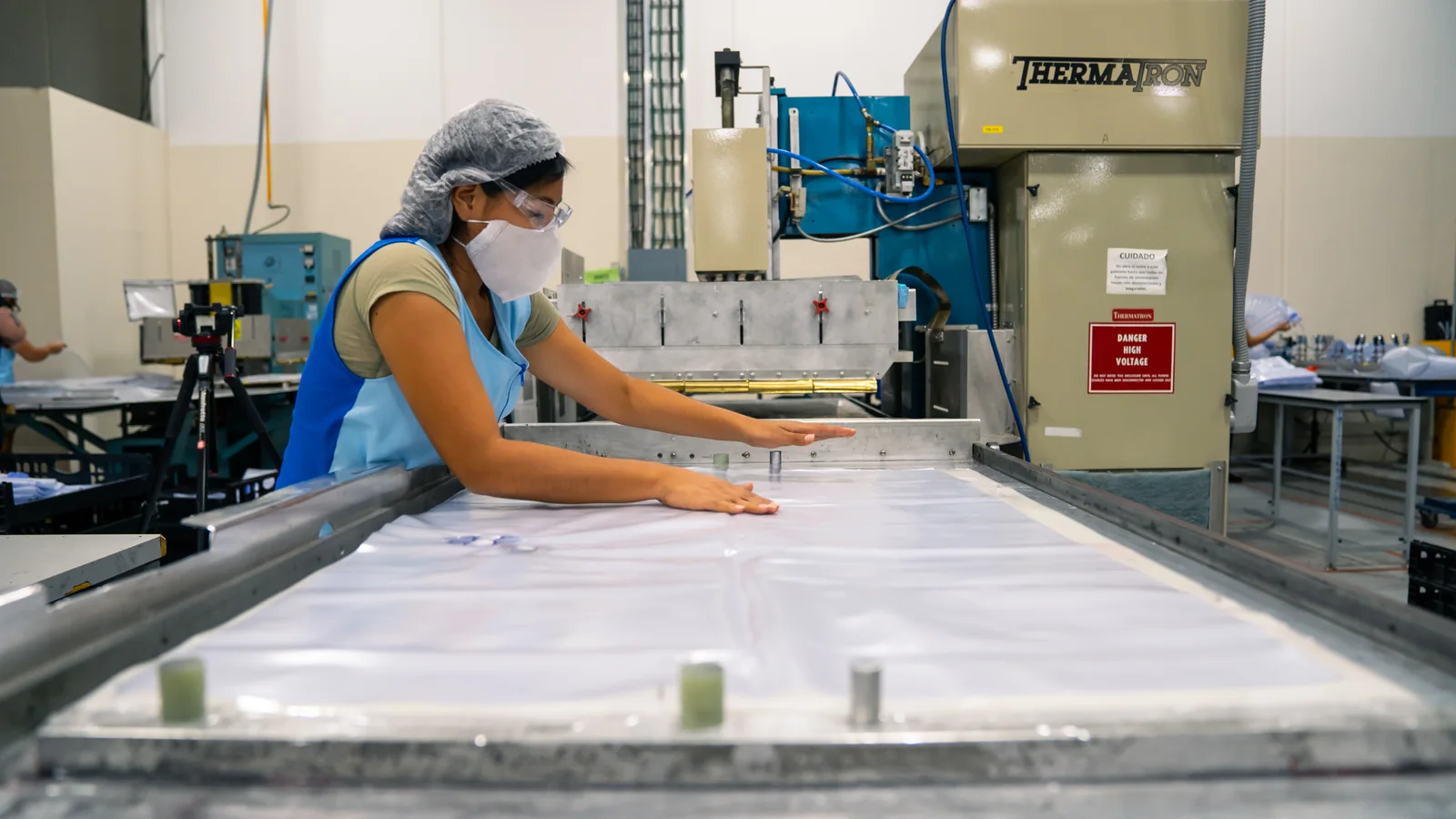
RF welding uses spot and platen welding methods to join dielectric polymer films, materials such as PVC, TPU, and EVA that respond to radio-frequency energy, into sealed, flexible-material assemblies. Because the process depends on a material's dielectric properties, it applies to compatible polymer films and polymer blends rather than every material in a construction, and that compatibility must be accounted for from the earliest material decisions.
Ultrasonic joining uses high-frequency vibration to weld and seal compatible fabrics and films, including textile and polymer composites and weldable hook-and-loop materials, without adding stitching or adhesive to the construction. As with RF welding, this process depends on the materials involved being compatible with ultrasonic energy, so material selection and construction design need to account for that fit before a joining method is finalized.
Many flexible medical products call for more than one joining method within the same build. Sewn, welded, molded, converted, closure, and assembled components can all be combined within one product, so a construction might pair stitched seams with RF-welded or ultrasonically joined sections alongside molded or converted elements, depending on what each part of the product needs to do. Rather than defaulting to a single process across the entire build, the construction is planned around where each method performs best.
05 / Development + Production
A well-defined construction can connect through to materials, converted components, molded interfaces, assembly, inspection, packaging, and production planning.
01
The construction, material stack, and joining method established up front.
02
The construction translated into repeatable work methods.
03
Closures, molded elements, padding, and components integrated into the build.
04
The construction connected through to inspection, packaging, and production planning.
06 / Applications
07 / Connected Expertise
Textiles, polymer films, composites, closures, and joining compatibility evaluated together.
→02Flexible constructions connected with precision-cut layers, laminations, and material interfaces.
→03Products carried forward into component integration, inspection, kitting, labeling, and packaging.
→
Start a Project