
Manual Assembly
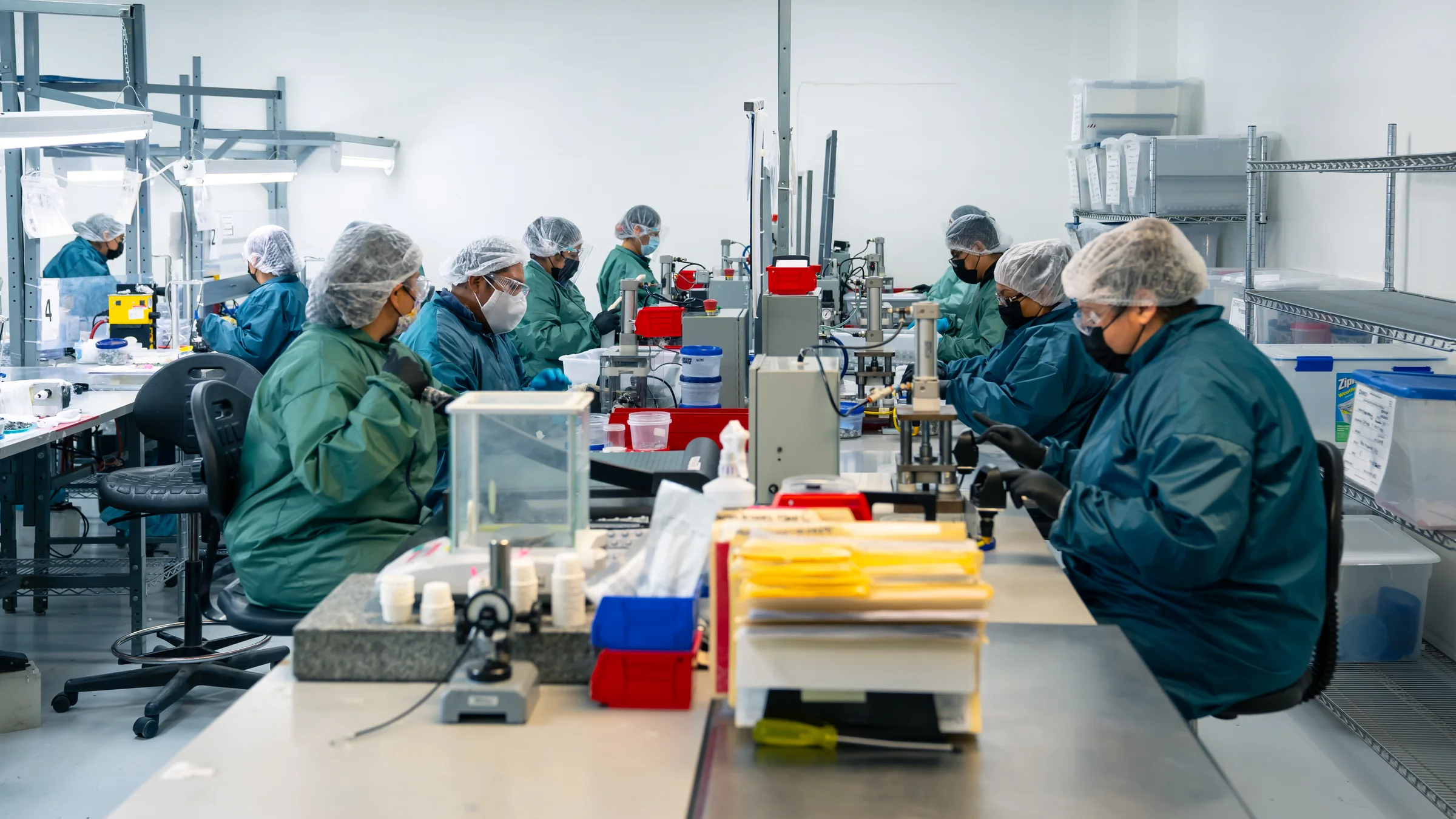
Skilled, hands-on processes suited to complex handling, flexible production volumes, and steps that depend on controlled operator technique.
Precision assemblyControlled work instructionsComplex component handling
01 / Assembly & Packaging
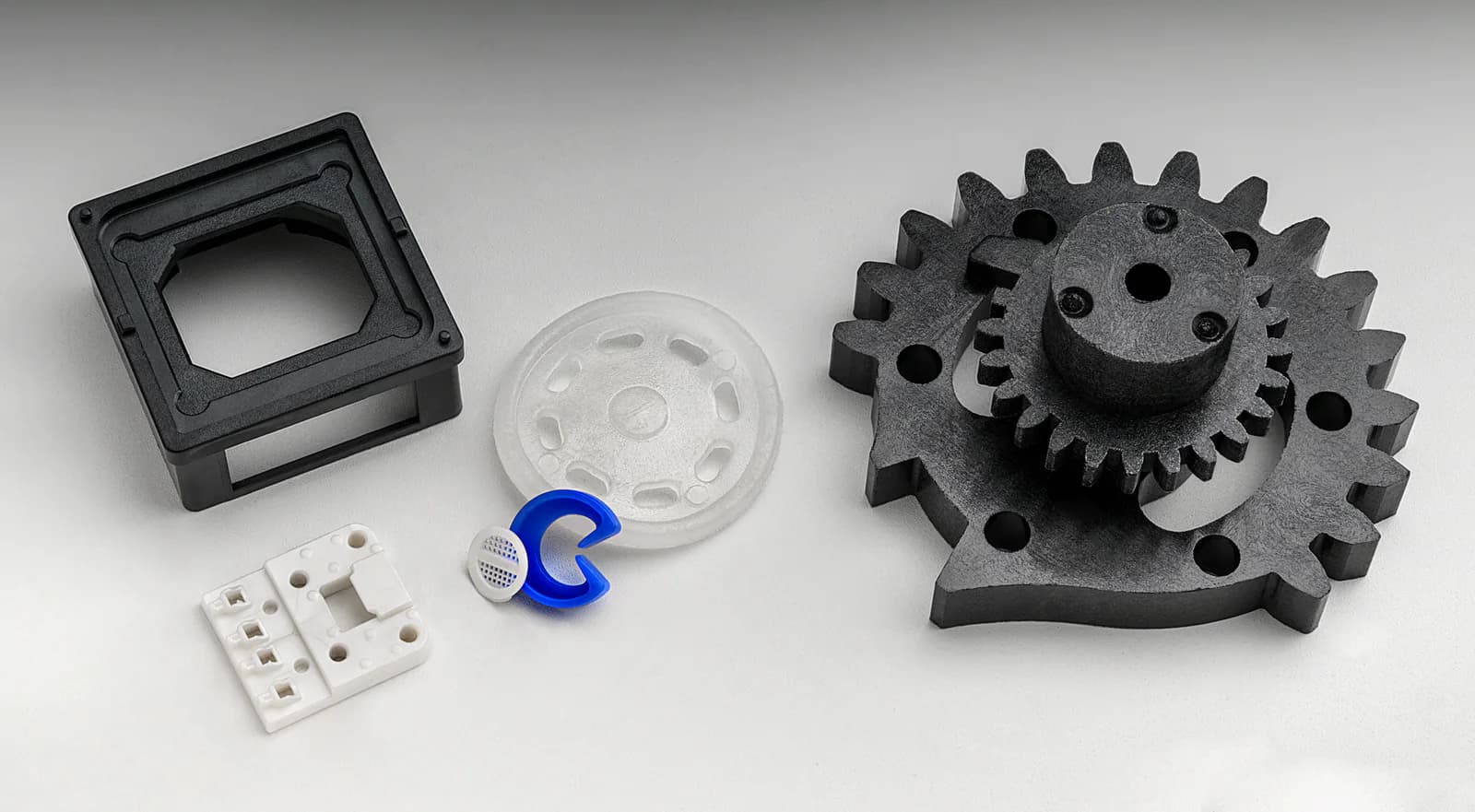
Cordica brings together manual and automated assembly, robotics, inspection, functional testing, labeling, kitting, and packaging for components, subassemblies, and complete device programs.
02 / Capability Overview
How much manual work, fixturing, automation, component integration, inspection, testing, identification, and packaging a program needs depends on the device's design, its process risk, production volume, and distribution requirements.
Skilled, hands-on processes suited to complex handling, flexible production volumes, and steps that depend on controlled operator technique.
Operators, fixtures, equipment, inspection, and automated steps working together to improve consistency while keeping flexibility in the process.
Assembly, handling, process control, inspection, and testing integrated together on programs where volume and repeatability support automation.
Repeatable handling, transfer, assembly, and inspection carried out through automated motion and control.
Specialized fixturing, inspection, and handling methods built for small components and complex device designs.
Controlled-environment assembly for the selected programs where cleanliness and process requirements call for it.
03 / Production / Assembly Flow
This page covers assembly and packaging execution itself, not the development of the broader production system around it.
Active technical mode
Components received and handled according to what the assembly requires.
04 / Inspection + Packaging
Inspection, testing, configuration, identification, and protective packaging formats are not separate stages tacked onto the end of assembly. They belong inside assembly execution itself.
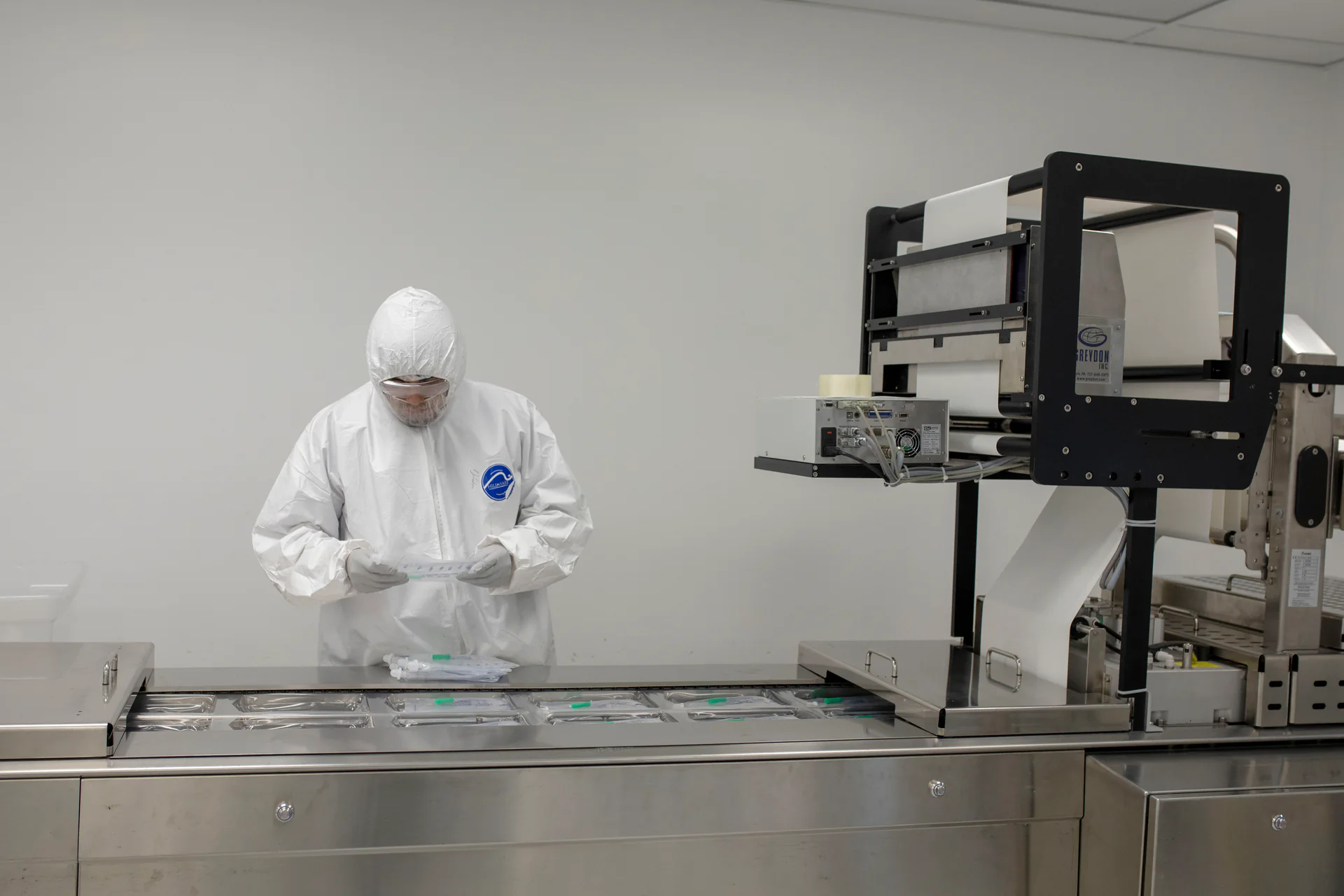
In-line vision and optical inspection catch defects as they occur rather than after the fact, while functional testing confirms the assembled component or device actually performs as intended. Where a program's design calls for it, leak and flow testing verify seal integrity and fluid path performance, and in-process controls can be positioned at multiple points throughout assembly rather than saved for a single end-of-line check. Where each of these checks is placed depends on where in the assembly sequence a defect is most likely to occur and most costly to catch late.
Device and component kitting brings the right parts together in the right configuration ahead of assembly or shipment, while controlled configurations keep that pairing consistent across a production run. Barcoding, UDI, and RFID support the traceability requirements standard in regulated medical device production, and product labeling and lot identification carry that traceability through to the finished, packaged product. Which of these methods applies depends on the device, the regulatory requirements it falls under, and how the finished product moves through distribution.
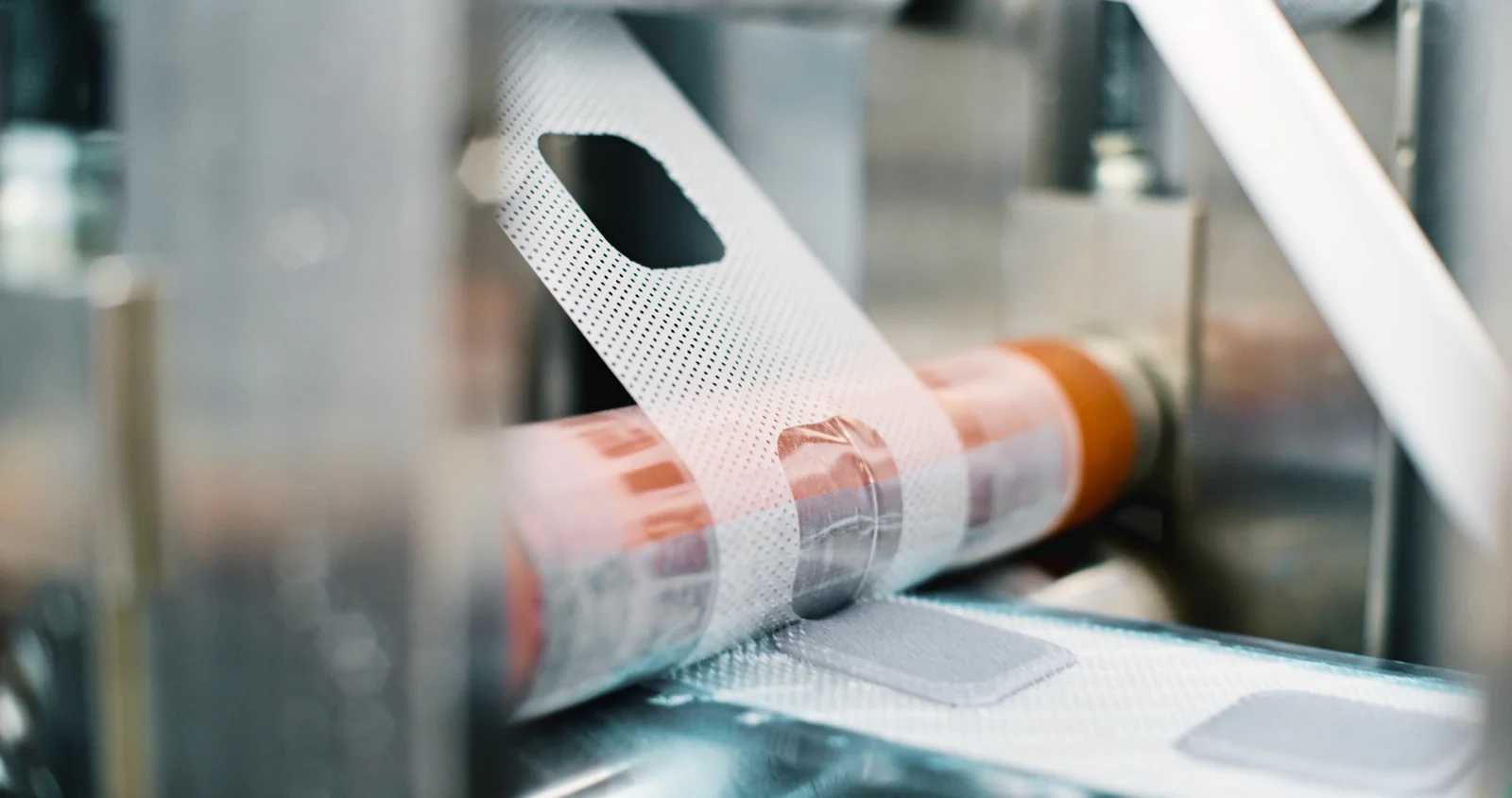
Packaging format follows from what the finished product needs to protect against and how it will be distributed. Form-fill-seal workflows, blister formats, flow wrap, and pouches suit different combinations of product geometry and barrier requirements, while automated bagging and RF-sealed formats support higher-volume programs where manual packaging would not keep pace. Unit cartons and other finished configurations complete the presentation for programs that need it. Rather than defaulting to one packaging format across every program, the format is selected around the specific product and its distribution requirements.
05 / Development + Production
Assembly and packaging carry out specific operations. Automation & Scale develops the broader production system around repeatability, inspection, material handling, and the right level of automation.
01
Components and subassemblies integrated using the execution model that fits the program.
02
Applicable inspection and testing built directly into the production process.
03
Kitting, labeling, and product identification controlled throughout.
04
The finished configuration prepared around what the product requires.
06 / Applications
01 / Market
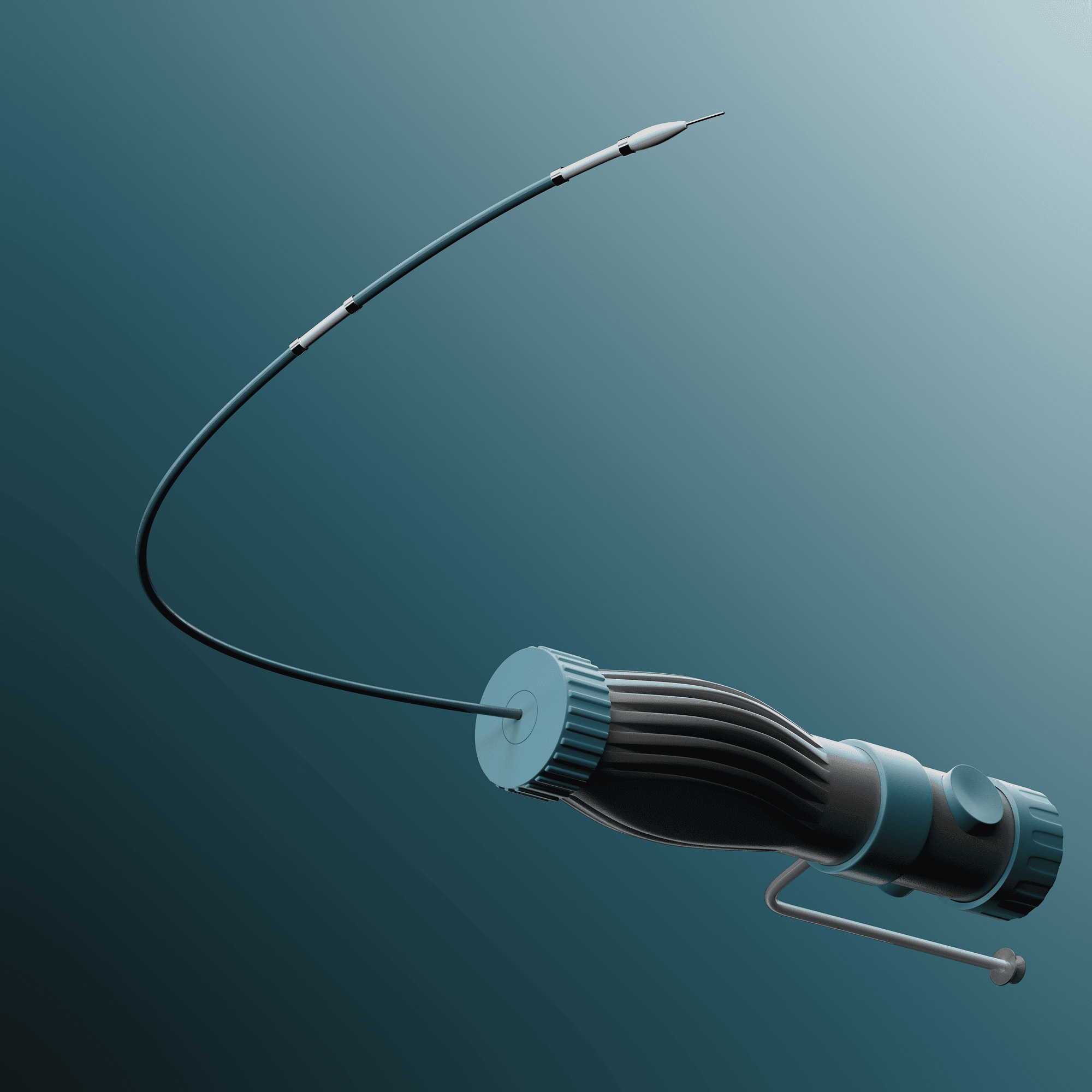
Catheter, delivery-system, balloon, handle, and mechanical-subassembly programs.
Explore Market →
02 / Market
Instrument-delivery assemblies, precision subassemblies, sensors, and electronics integration.
Explore Market →
03 / Market
Delivery components, molded and mechanical assemblies, kitting, and packaging.
Explore Market →
04 / Market
Sensor and electronics integration, device assembly, inspection, and finished packaging.
Explore Market →07 / Connected Expertise
The production system, inspection strategy, material handling, and automation level developed around program volume and risk.
→02Assembly, test, fixture, and manufacturing-readiness considerations introduced earlier in the process.
→03Molded components connected with integration, identification, and packaging operations.
→
Start a Project