01
Flexible Material
Textiles, polymer films, composites, closures, and padding lay the groundwork for the rest of the build.
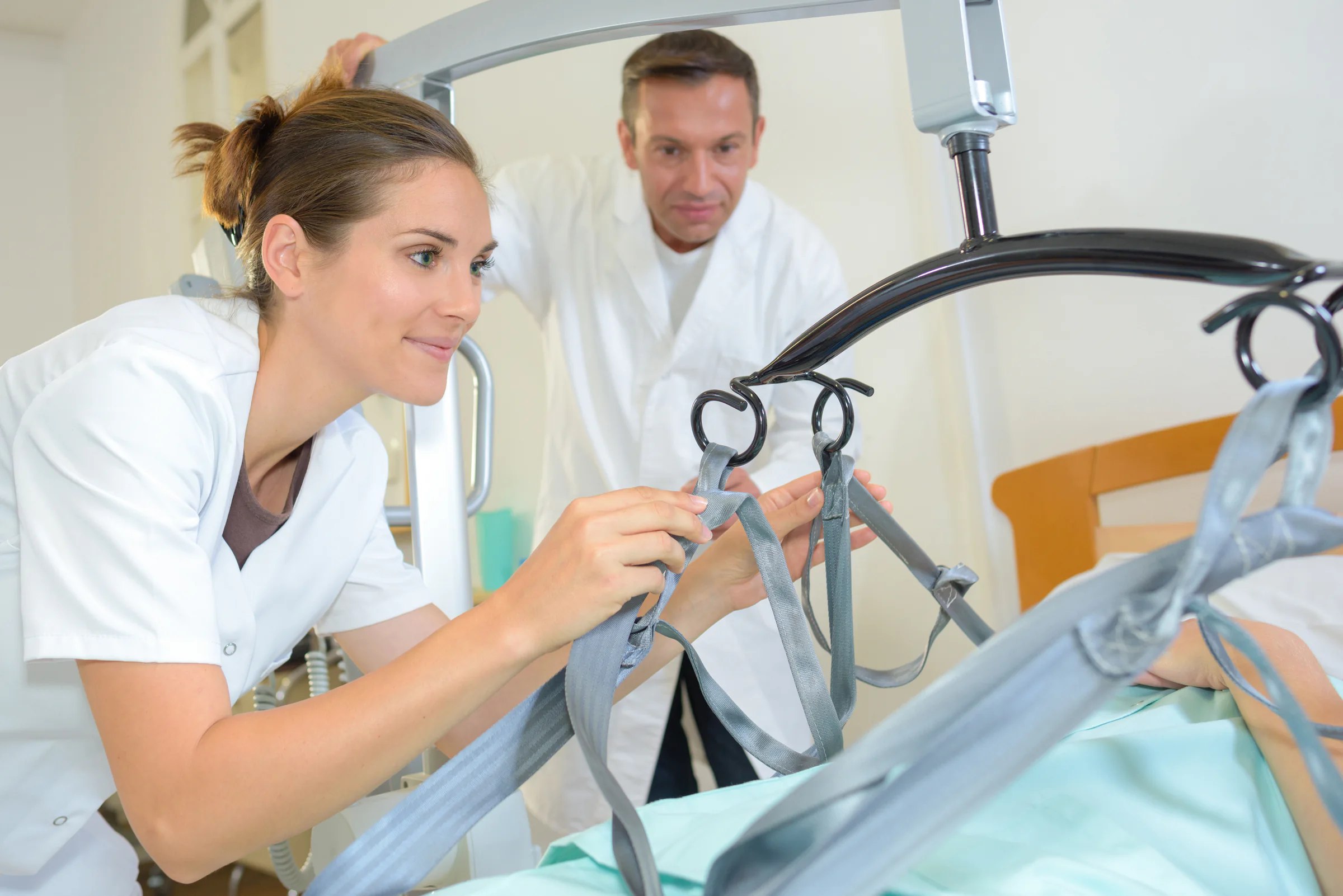
01 / Mobility & Recovery
From early development to commercial-scale production, this market draws on nearly everything Cordica does: sewing, flexible-material processing, RF and ultrasonic joining, materials and component manufacturing, assembly, automation, and packaging.
02 / Device System
A repeatable soft-goods product depends on textiles, films, closures, reinforcement, padding, molded components, sewn constructions, and welded interfaces functioning as a single system, not a set of separate pieces.
01
Textiles, polymer films, composites, closures, and padding lay the groundwork for the rest of the build.
02
Whether it's stitched, welded, or a mix of both, construction methods span programmable sewing, RF welding, ultrasonic joining, and hybrid approaches.
03
Reinforcement, closures, molded elements, and other interfaces get built in as the product takes shape.
04
From there, the product moves through assembly, inspection, kitting, labeling, packaging, and automation wherever it makes sense.
03 / Flexible Product Construction
This construction detail is illustrative only and does not represent seam, load, or material-performance specifications.
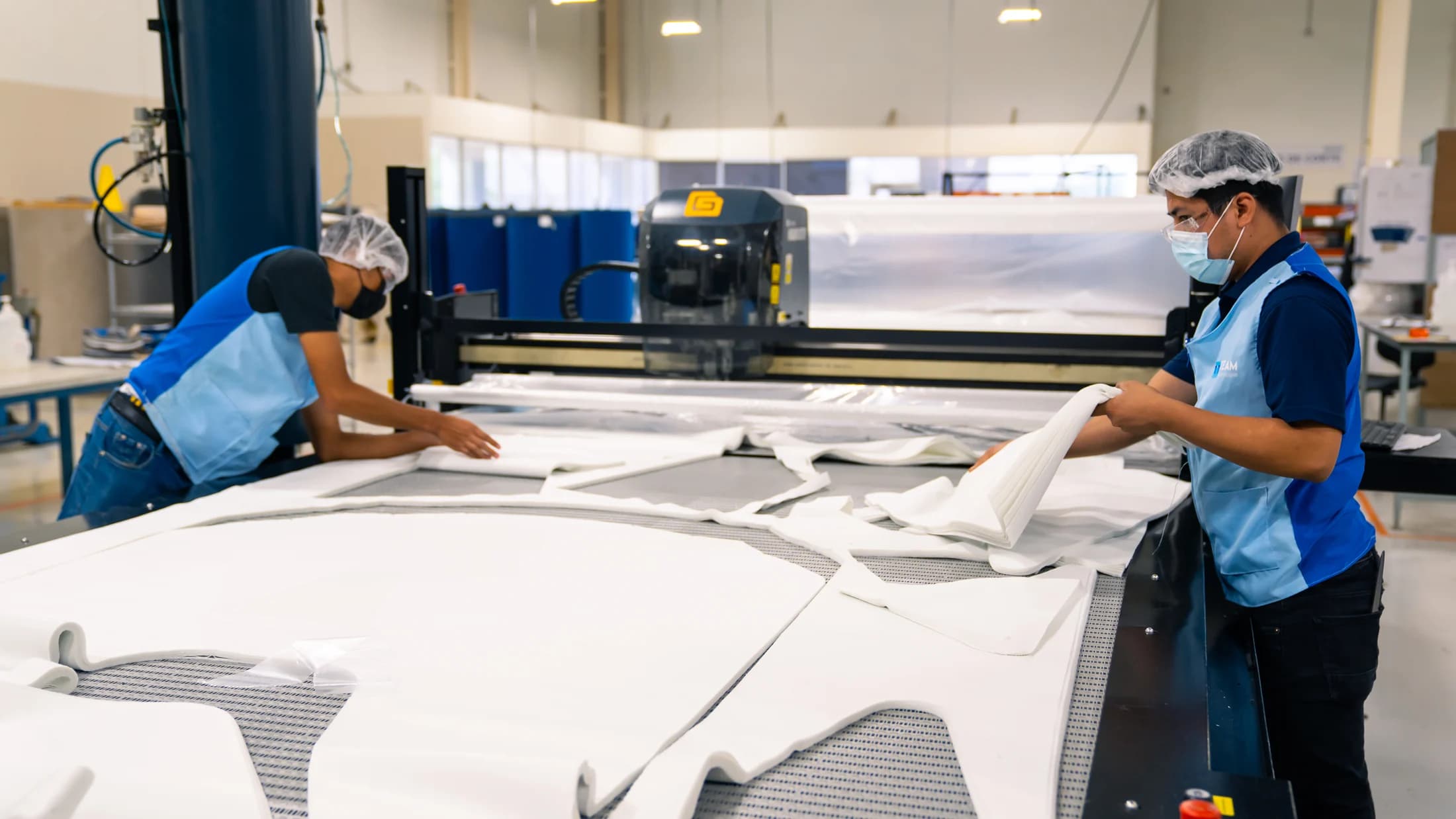
Flexible product construction / 01
The flexible construction starts with textiles, polymer films, composites, closures, padding, and molded elements, layered together.
04 / Engineering + Manufacturing
The construction as a whole is what determines how a flexible product gets produced.
Construction, reinforcement needs, interfaces, and production volume all factor into which stitching method and equipment get used.
RF welding, ultrasonic joining, sewing, or a hybrid method get applied depending on which films and fabrics are compatible.
The finished build brings together textiles, polymer films, composites, closures, padding, molded elements, and interfaces.
Component assembly, inspection, kitting, labeling, packaging, and automation, wherever it fits, carry the product to its final form.
05 / Capabilities Around the Device
The sewing and joining bench: precision sewing, programmable stitching, RF welding, and ultrasonic joining, backed by flexible-product manufacturing know-how.
→02Deep experience across polymer films, flexible systems, and composites informs which process fits which material.
→03For products that need rigid or molded elements, molded components and interfaces round out the build.
→04Inspection, automation, kitting, labeling, and packaging carry the assembled product through to completion.
→06 / Development Pathway
Requirements, prototypes, materials, sewing, joining, assembly, and scale strategy can all mature side by side rather than in strict sequence.
01
Working from requirements, geometry, prototypes, and the architecture of the flexible product.
02
Materials, sewing, and joining decisions get worked out alongside component and process development.
03
Component integration and final assembly move forward together with inspection, labeling, and kitting.
04
Process controls and automation carry packaging and the rest of the build toward commercial-scale production.
07 / Application Context
01
Sewn or welded textile constructions, flexible materials, closures, and the components that complete them.
02
A garment program built at scale, using flexible-material processing, sewing, and component integration.
03
Reinforcement, closures, padding, and molded components, built into textiles for a construction that repeats reliably.
04
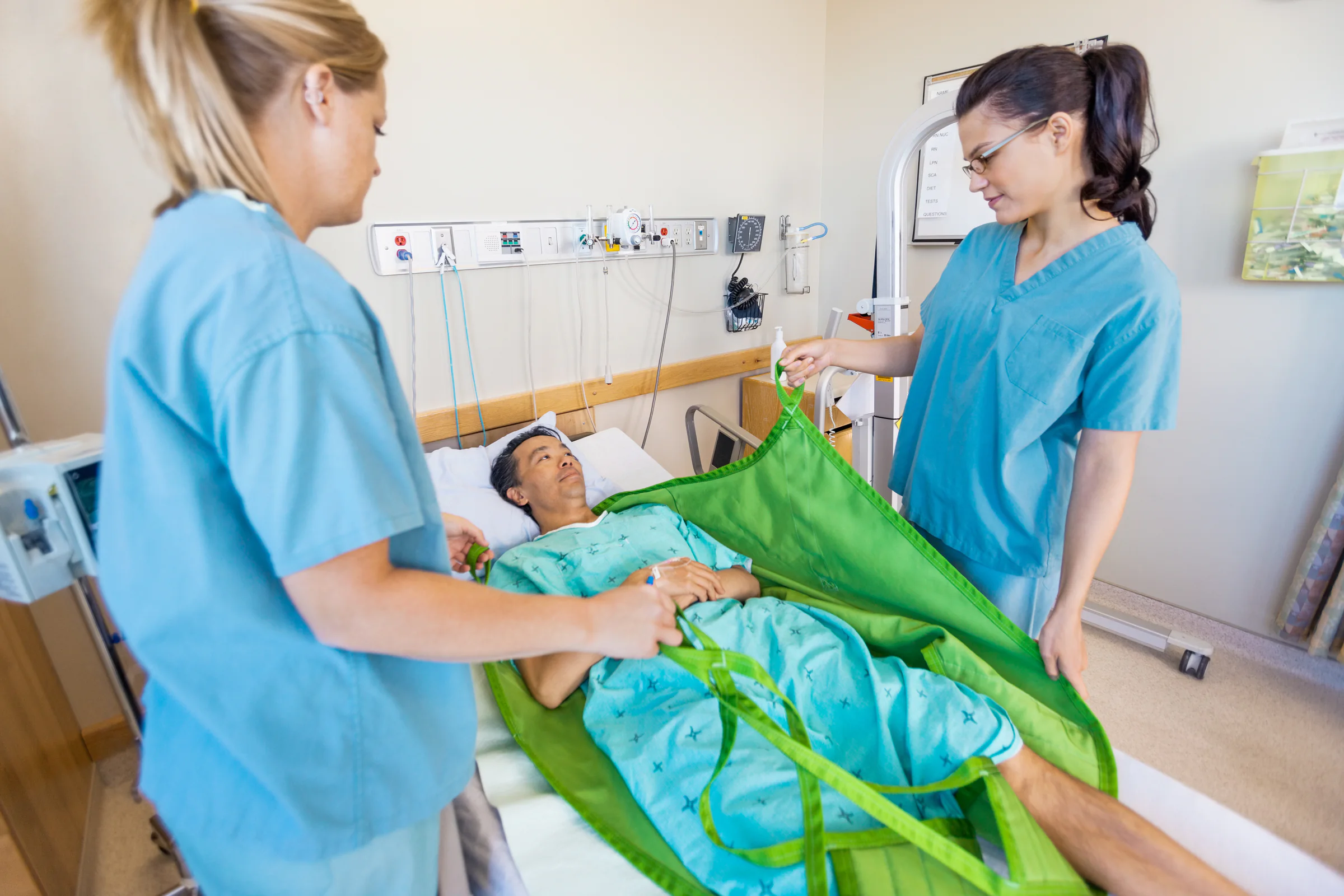
Slings, turning and positioning mats, wheelchair accessories, and the other flexible products that support patient movement.
05
Component integration, joining, closures, and assembly, all built around tightly controlled flexible-material construction.
Start a Project