
Precision Die Cutting
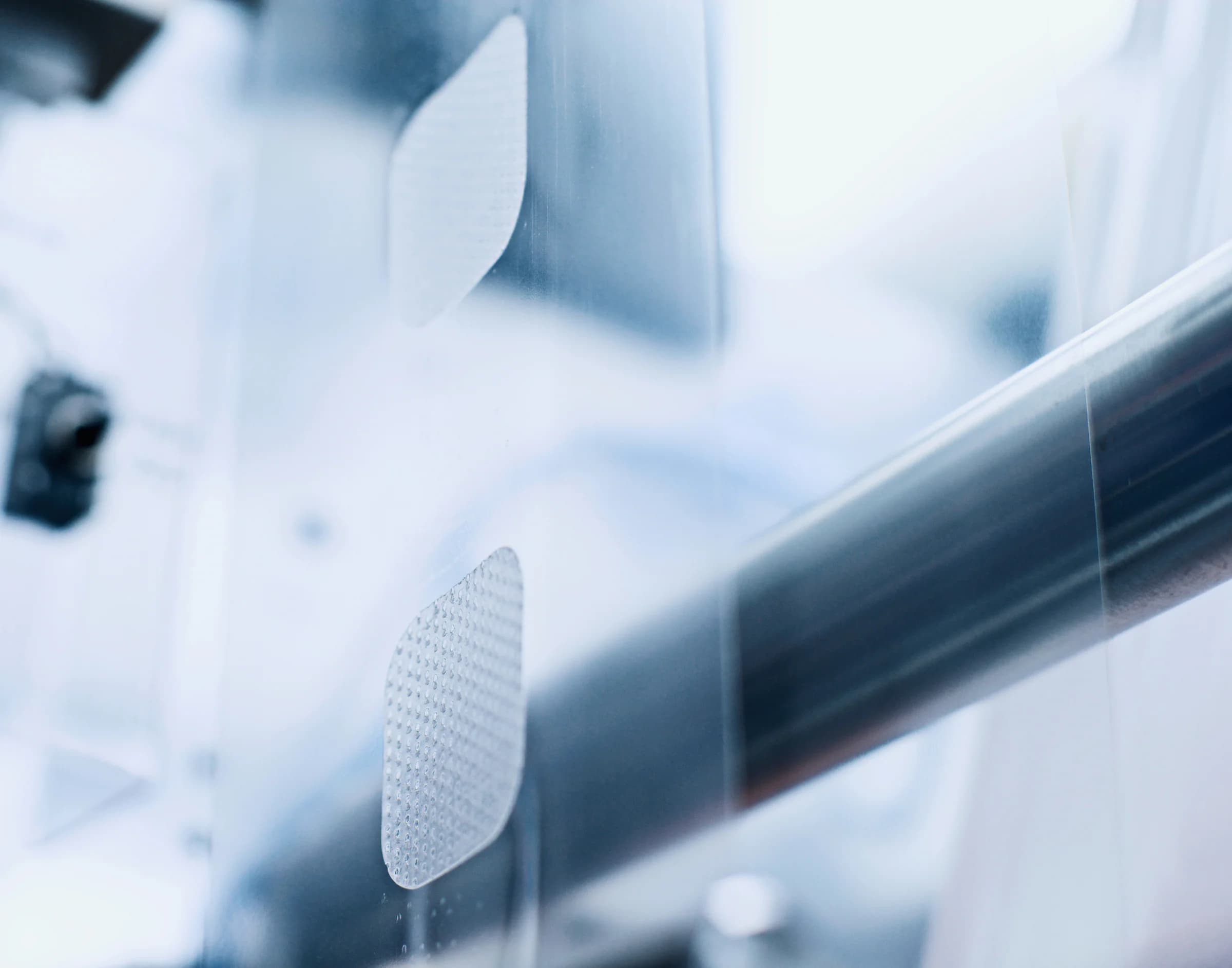
Complex component geometries cut from films, foams, fabrics, filter media, and specialty plastics, using rotary, steel-rule, or matched-metal methods.
01 / Medical Converting
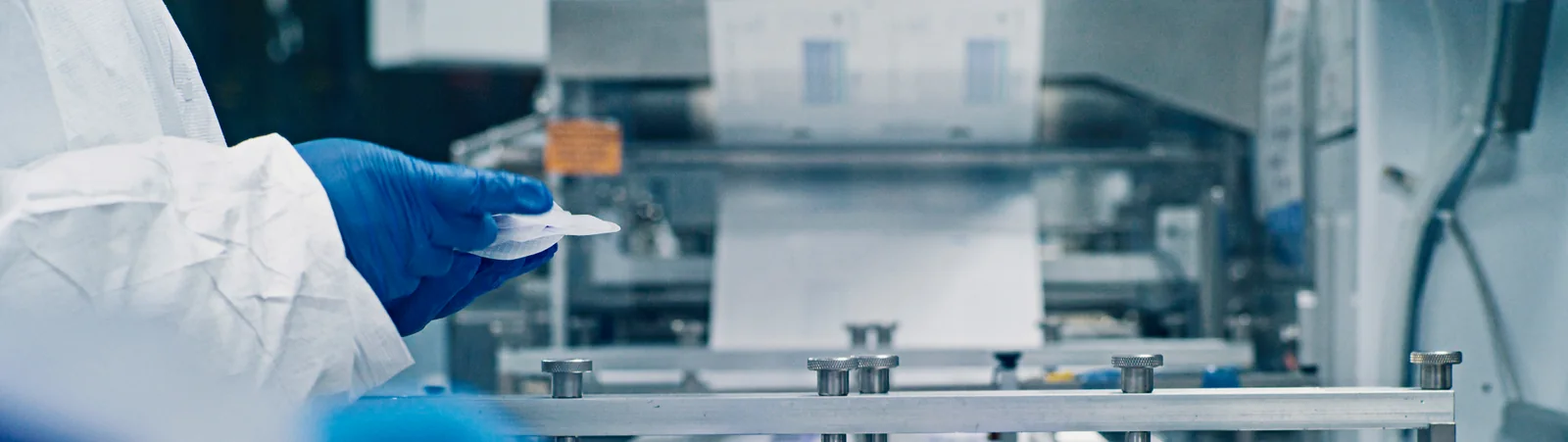
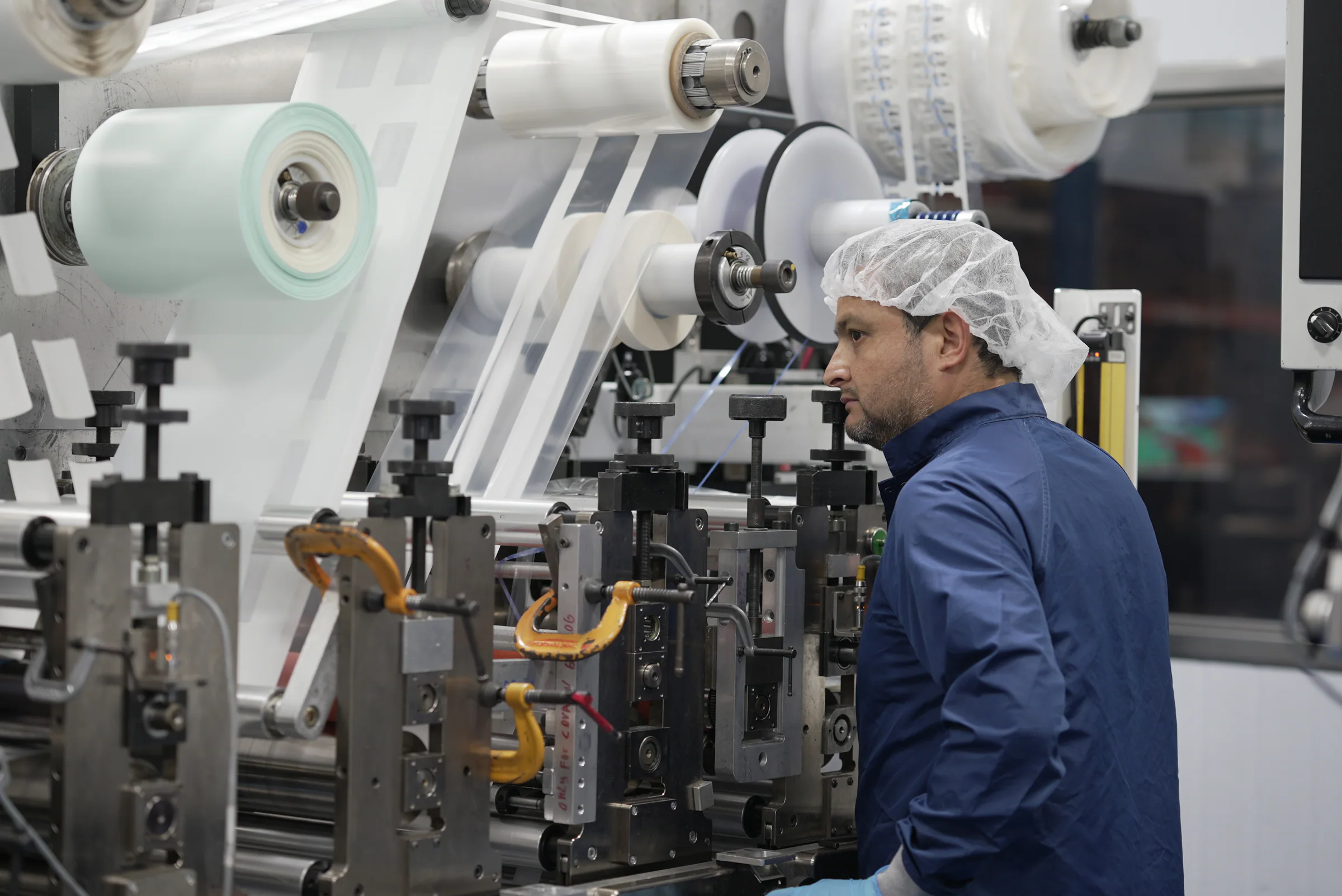
Cordica converts films, foams, adhesives, fabrics, and specialty materials into repeatable components and multilayer constructions, using die cutting, lamination, slitting, and precision material processing built for medical device programs.
02 / Capability Overview
Converting sets the geometry, placement, interfaces, layer sequence, and handling requirements across every flexible-material construction.
Complex component geometries cut from films, foams, fabrics, filter media, and specialty plastics, using rotary, steel-rule, or matched-metal methods.
Discrete materials brought together around finished-component requirements, run inline, offline, or across multiple webs.
Webs and rolls prepared through precision slitting, supporting whatever roll-to-roll processing a downstream operation calls for.
Adhesives, island-placed elements, adhesive-coated films, and release liners integrated under controlled process conditions.
Die cutting, laminating, and material handling run inside a cleanroom on selected programs where that requirement applies.
Development work and specialized geometries supported through laser, CNC digital, and rotary matched-metal cutting approaches.
03 / Material Stack Explorer
The finished construction depends on material selection, adhesive behavior, layer order, cutting, placement, and how the layers are joined downstream.
Active technical mode
Complex geometries cut from films, foams, fabrics, filter media, and specialty plastics.
04 / Materials + Construction
Every material in the stack has a job to do, and a finished component only performs as intended when all of them are considered as one system rather than one layer at a time.
A wound care construction commonly layers a polyurethane film as the outer barrier, an absorptive foam beneath it to manage fluid, a perforated layer at the skin-contact surface, and a release liner protecting the adhesive until the product is applied. Each material is selected and converted around how the finished dressing needs to perform, and this layer sequence is illustrative only. Each wound-care program may call for a different combination of materials or a different layer order.
A patient monitoring construction typically pairs a medical-grade adhesive film with a metallized film layer, along with a release liner that protects the adhesive prior to use. The metallized layer can support functional requirements specific to a monitoring device, while the adhesive film manages attachment and wear over the course of use. The right construction depends on the specific device, its intended wear duration, and its functional requirements.
05 / Development + Production
Once converted, a component can continue into joining, assembly, inspection, packaging integration, and full production.
01
Materials, interfaces, and layer sequence established up front.
02
Supported materials cut, slit, laminated, and placed.
03
Compatible components connected through whatever downstream operation applies.
04
The construction carried into inspection, packaging, and scale.
06 / Applications

01 / Market
Dressings, negative-pressure components, foams, films, and adhesive constructions.
Explore Market →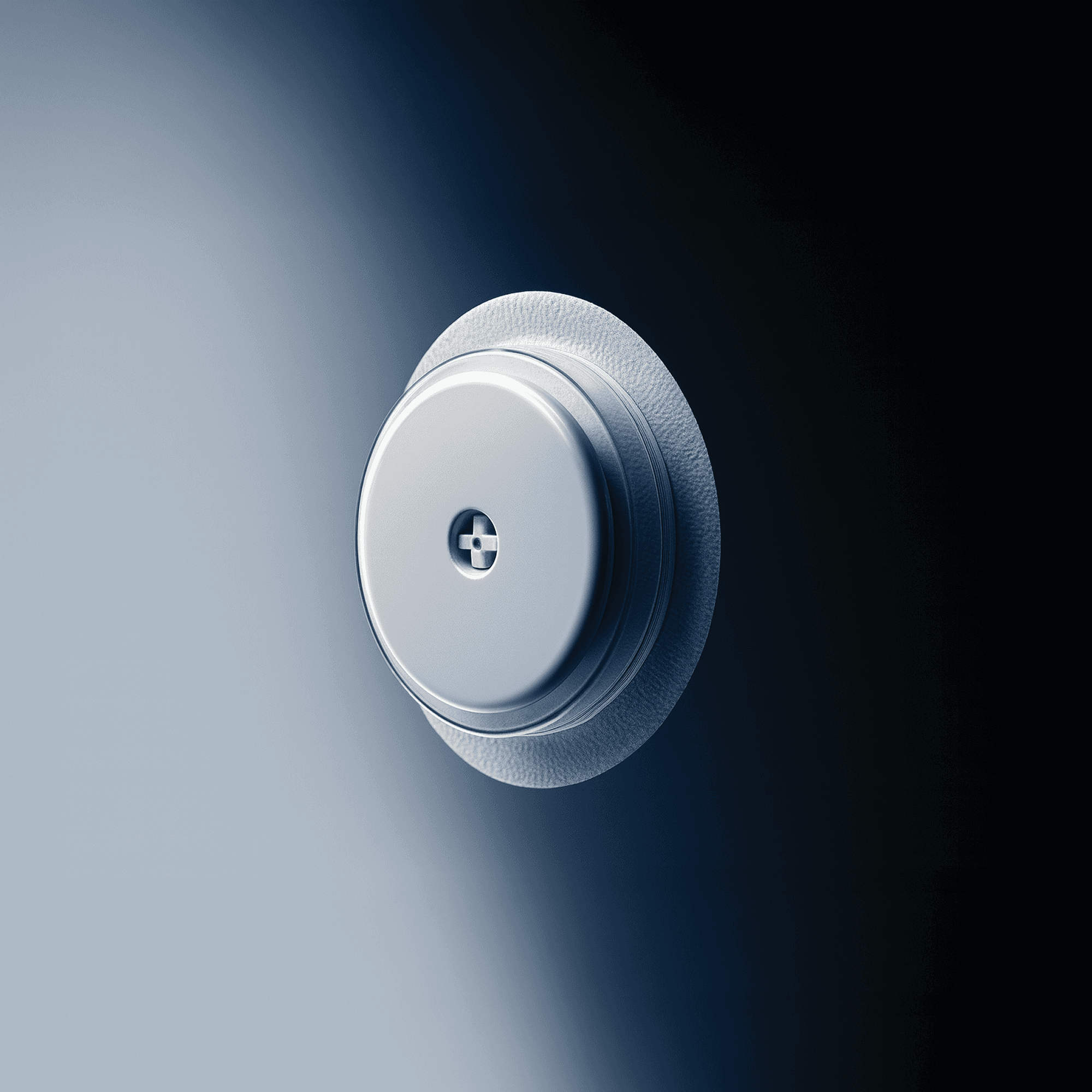
02 / Market
Monitoring components, wearable adhesives, patches, substrates, and device interfaces.
Explore Market →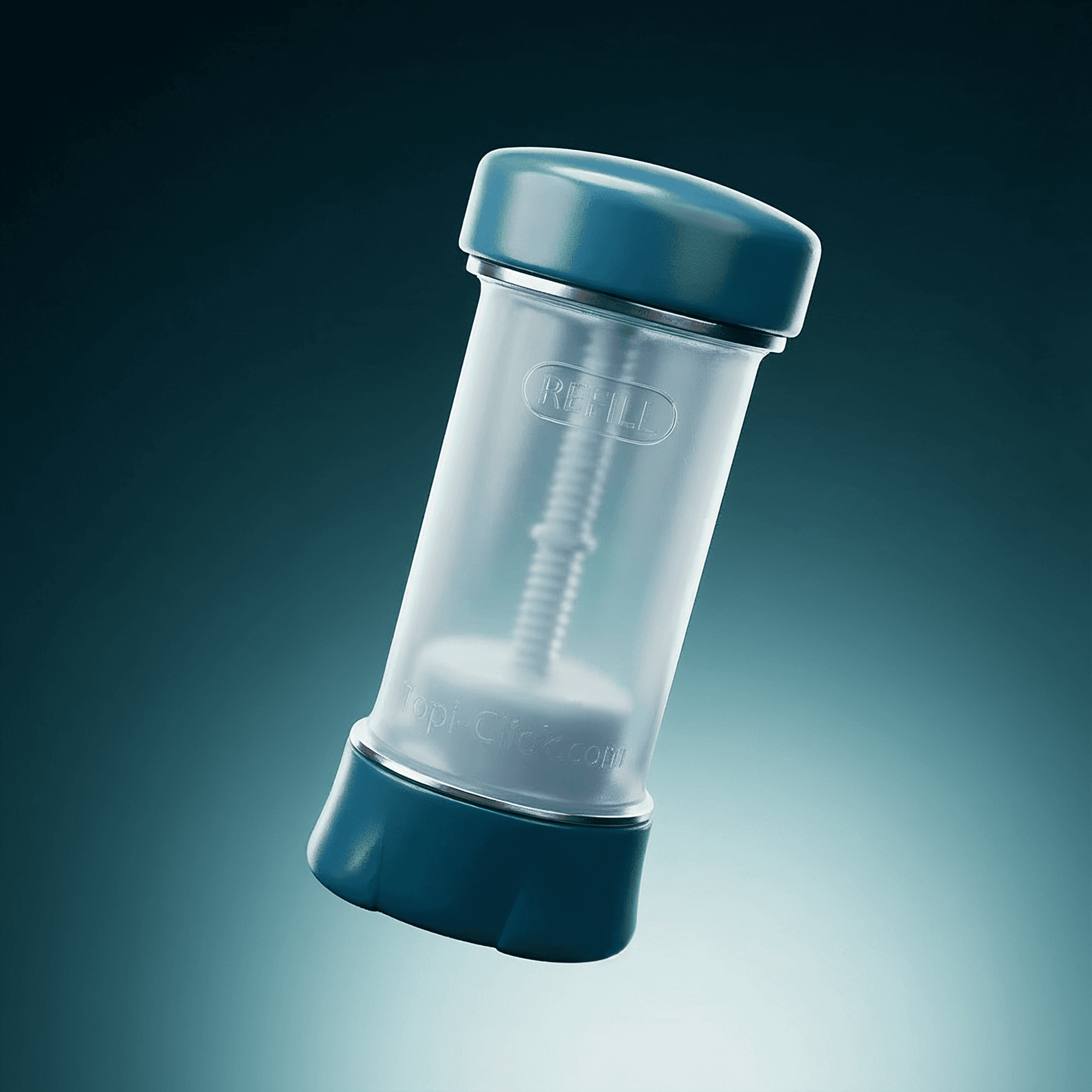
03 / Market
Delivery components, flexible material constructions, and adhesive interfaces.
Explore Market →07 / Connected Expertise
Films, foams, adhesives, and flexible substrates evaluated alongside converting requirements.
→02Product architecture, prototypes, testing, and manufacturability connected with multilayer construction development.
→03Converted components carried into welding, sealing, assembly, inspection, and packaging.
→
Start a Project