01
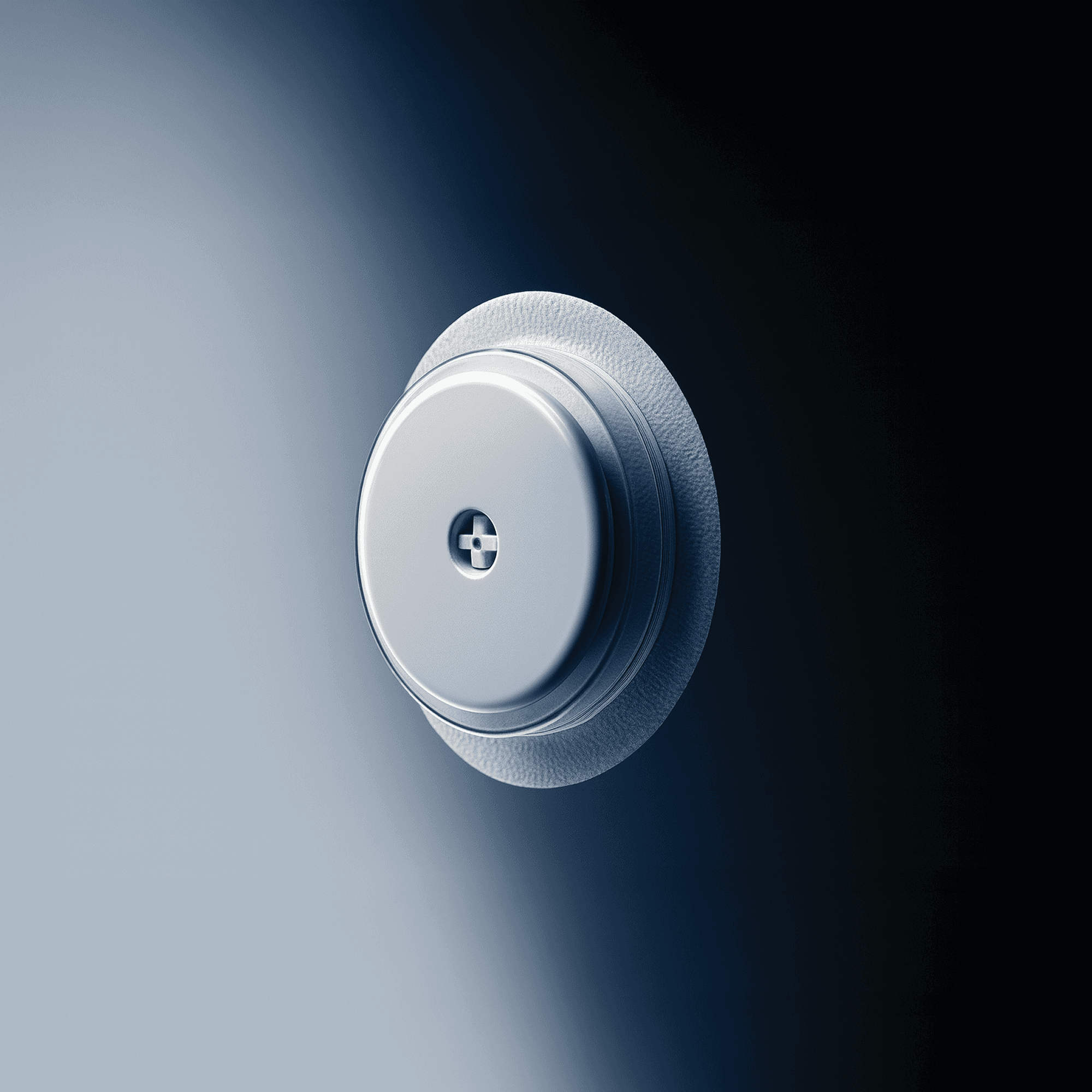
Device Body
Architecture and geometry, shaped by what the device requires and by what can be manufactured.
01 / Drug Delivery
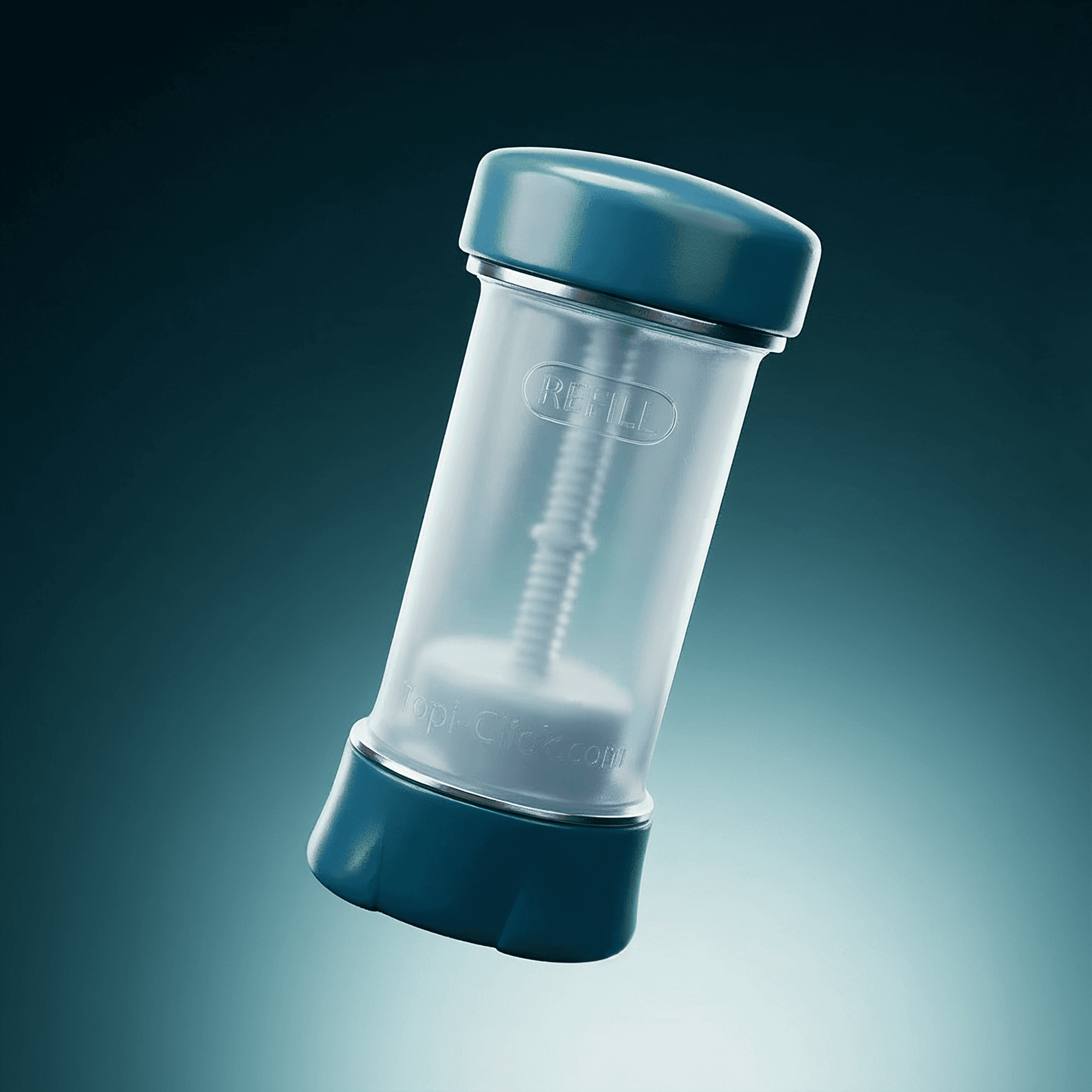
From component engineering and molding to materials, tubing, assembly, inspection, and automation, Cordica brings established metered-dosing experience to drug-delivery programs.
02 / Device System
A drug-delivery system rarely comes down to a single decision. The way components, connectors, and materials work together; the way interfaces and assemblies fit; and the way the system is manufactured all matter just as much.
01
Architecture and geometry, shaped by what the device requires and by what can be manufactured.
02
Connectors and mechanical elements, molded to the precision the rest of the assembly depends on.
03
Wherever the therapy must move through the body, interfaces and tubing architectures are what carry it there.
04
Everything converges here: the device gets integrated, inspected, and tested—then kitted, labeled, and packaged to ship.
03 / Drug-Delivery Architecture
This visualization explains the component system. It does not represent dose or delivery performance.
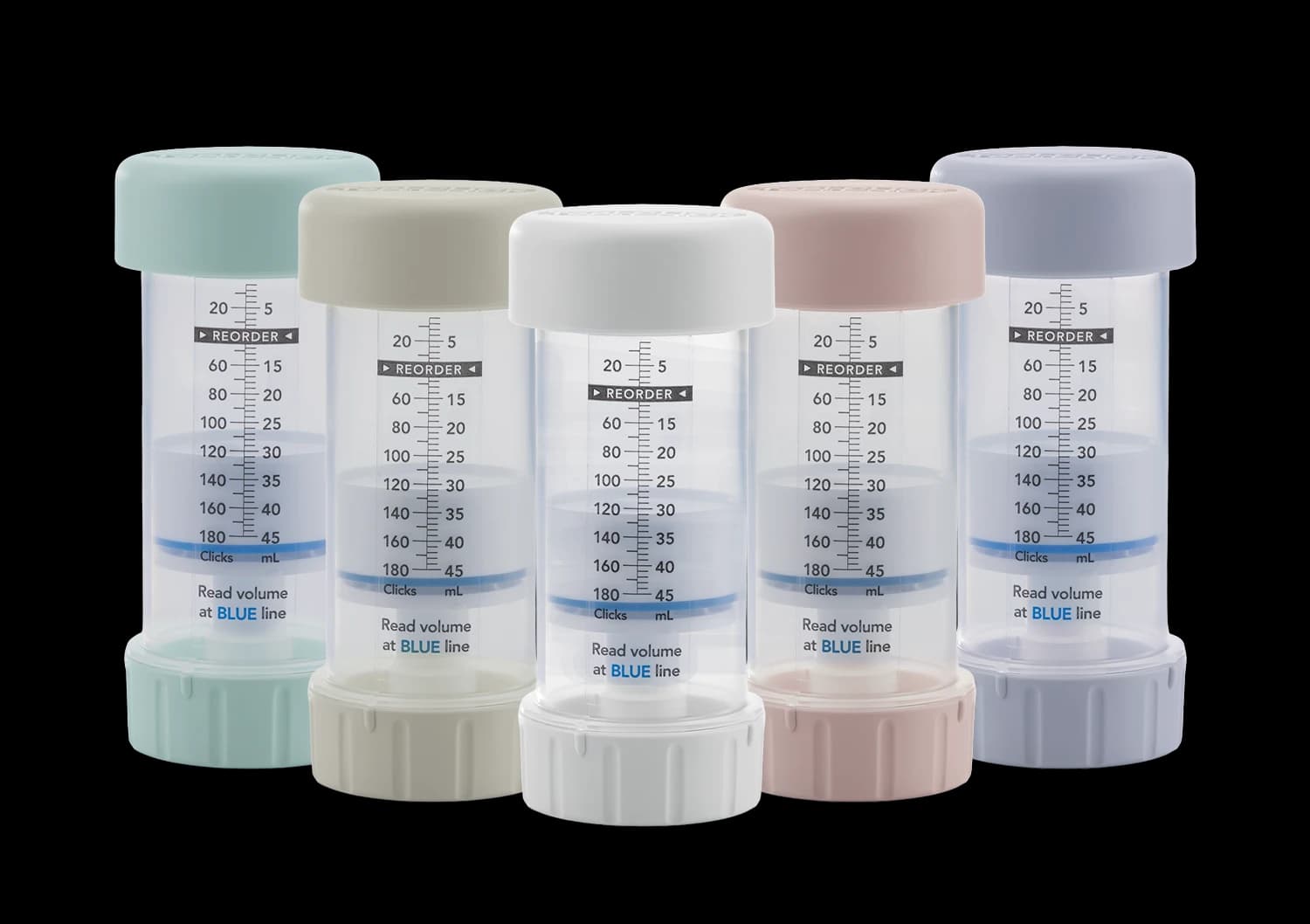
Drug-delivery architecture / 01
Mechanical design, materials, and prototyping set the architecture, and design for manufacturing shapes it before tooling begins.
04 / Engineering + Manufacturing
Manufacturing gets a seat at the table early, while there's still room to change the geometry, interfaces, materials, tooling, or assembly plan, not after those calls are already locked in.
A component's geometry and interfaces get worked out through mechanical design, polymer selection, and prototyping, then pressure-tested against what design for manufacturing will allow.
Whether it's a connector, an interface, or a catheter-based delivery concept, molding and extrusion are the processes that turn it into a real part.
Production takes it from there, connector assemblies, device integration, and everything from manual builds to full automation.
As the manufacturing process matures, inspection, functional testing, and process controls get designed into the line itself, not bolted on once something goes wrong.
05 / Capabilities Around the Device
Insert molding, overmolding, micromolding, and the tooling behind each one, matched to what the part actually needs.
→02The polymer knowledge that shapes a component from early development through the process decisions that follow it.
→03From the assembly line through inspection, automated where it counts, and finished with kitting, labeling, and packaging.
→04Tubing engineered specifically for catheter-based and other specialized delivery systems, not adapted from a stock spec.
→06 / Development Pathway
Engineering and manufacturing readiness stay connected to component and assembly processes the whole way through, not handed off at the end.
01
Start from what the user needs, then build the architecture and engineering around it, proven out in prototype.
02
Materials and interfaces get locked in here, and component design gets checked against what tooling and manufacturing can realistically deliver.
03
Parts take shape through molding, extrusion, and assembly, then move into inspection and packaging.
04
What commercial volume requires: automation, repeatability, and the controls that keep both steady.
07 / Application Context
01
A precision component only holds up if its geometry, materials, interfaces, assembly, and production are worked out together, not one at a time.
02
Every connector starts with tightly controlled geometry, and the material, assembly, and interface decisions follow from there.
03
These programs need real engineering behind them, precision manufacturing, assembly, and production that stays controlled start to finish.
04
Cordica's metered-dosing products aren't a side note here, they're a working example of the same manufacturing discipline applied at scale.
Start a Project