
01
Distal
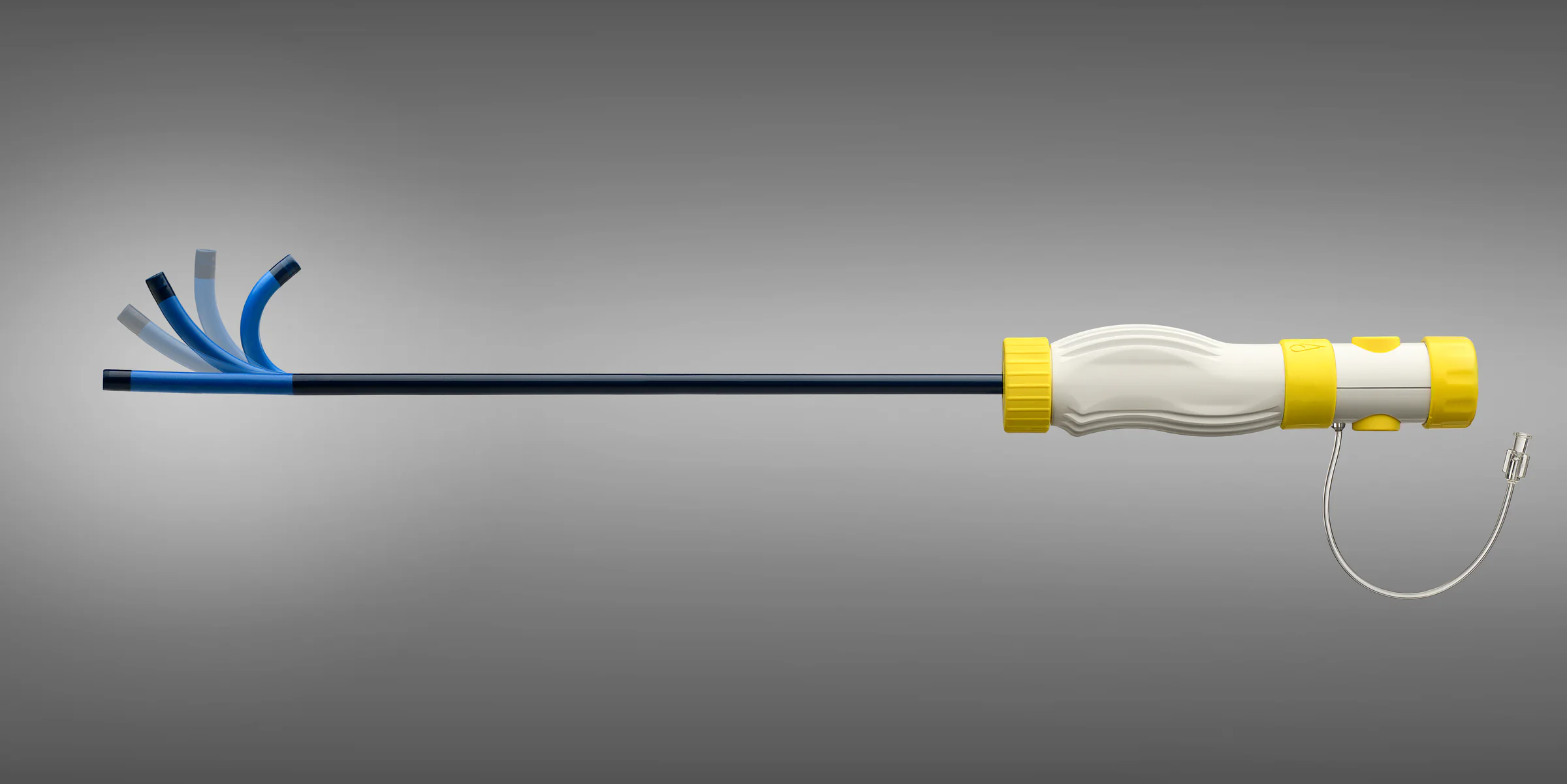
The tip, its geometry, marker bands, and whatever gets integrated at the distal end.
01 / Interventional Cardiology
Catheter programs pull together precision materials, extrusion, reinforced shaft construction, specialized processing, assembly, and development support. Cordica builds all of it under one roof.
02 / Device System
Materials, shaft architecture, reinforcement, distal geometry, steering, and bonding all must resolve into one buildable system, not get engineered in isolation.
01
The tip, its geometry, marker bands, and whatever gets integrated at the distal end.
02
The tubing itself: liners, reinforcement, jackets, and how the layers reflow together.
03
Handles, hubs, and the steering interface the physician actually touches.
04
Everything that turns built components into a finished, tested, shippable device.
Illustrative device architecture. Components vary by program.
03 / Catheter Architecture
Lumen count, wall profile, and layering all get built into a single continuous extrusion, not assembled afterward from separate pieces.
Illustrative architecture only. Components and construction vary by program.
04 / Engineering Requirements
Flexibility, pushability, torque response, trackability, and kink resistance are set by the shaft architecture, not adjusted after the fact.
Braid, coil, liner, jacket, and reflow get engineered as one construction, since changing one changes what the others can do.
Lumen count, balloon integration, tapering, and layering all determine what the finished catheter can do.
Extrusion and material choices get made against the finished catheter, not against the tubing spec in isolation.
Distal geometry, marker bands, nitinol, hypotubes, coatings, and bonded interfaces are where component integration actually gets tested.
Specialized processing and assembly get planned into the manufacturing pathway from the start, not bolted on at the end.
Balloon assemblies, handles, and mechanical subassemblies all must fit the device architecture that's already been set.
Assembly, kitting, labeling, and packaging carry that architecture through to repeatable production, unchanged.
05 / Connected Capabilities
Capability relationship / 01
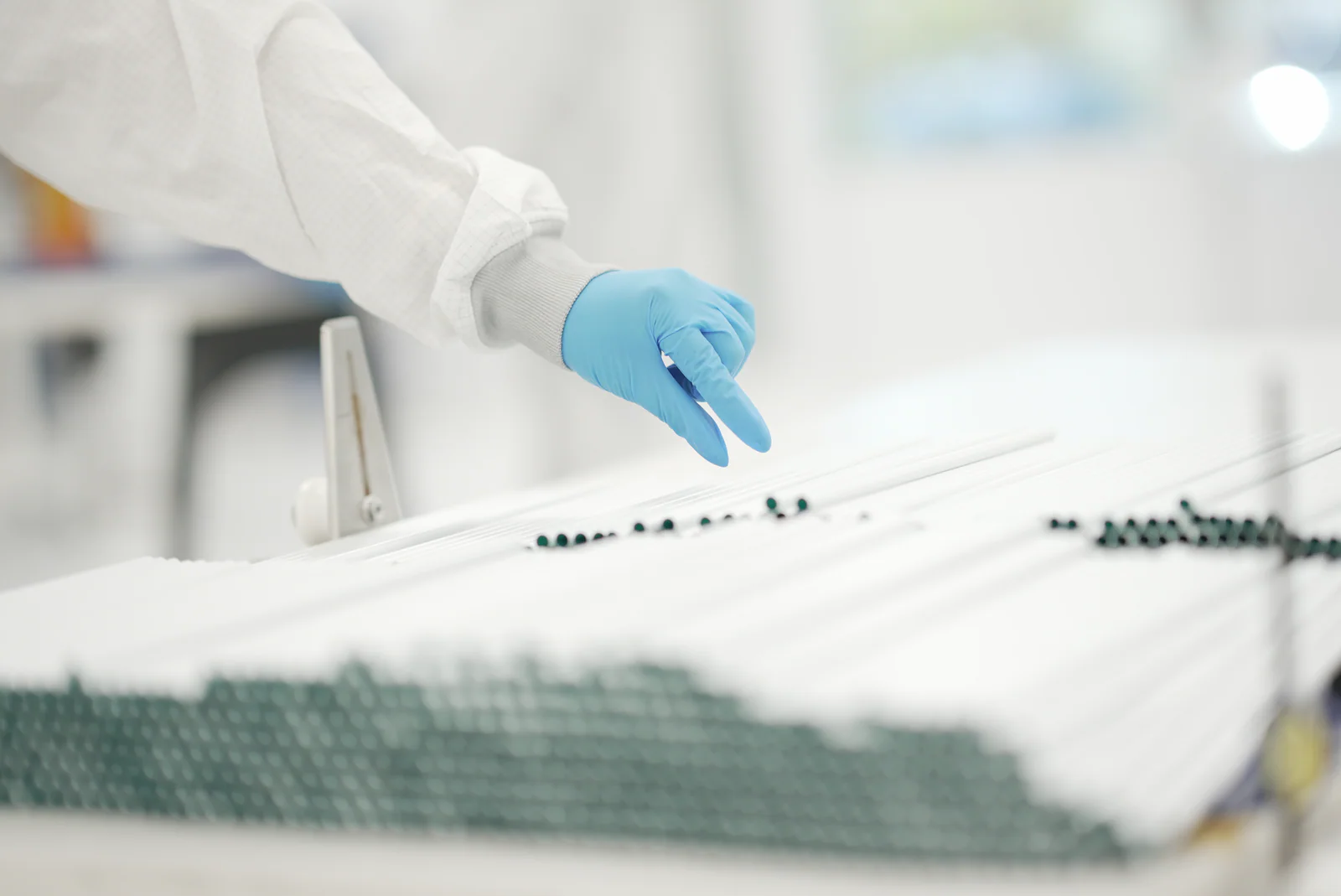
The tubing itself, extruded to the tolerances a catheter or delivery system needs, not sourced from a separate vendor and adapted.
Explore Precision ExtrusionTechnical References
06 / Development Pathway
This pathway is a starting point, not a fixed sequence every program has to follow.
01
What the device must do, and in what order that gets solved.
02
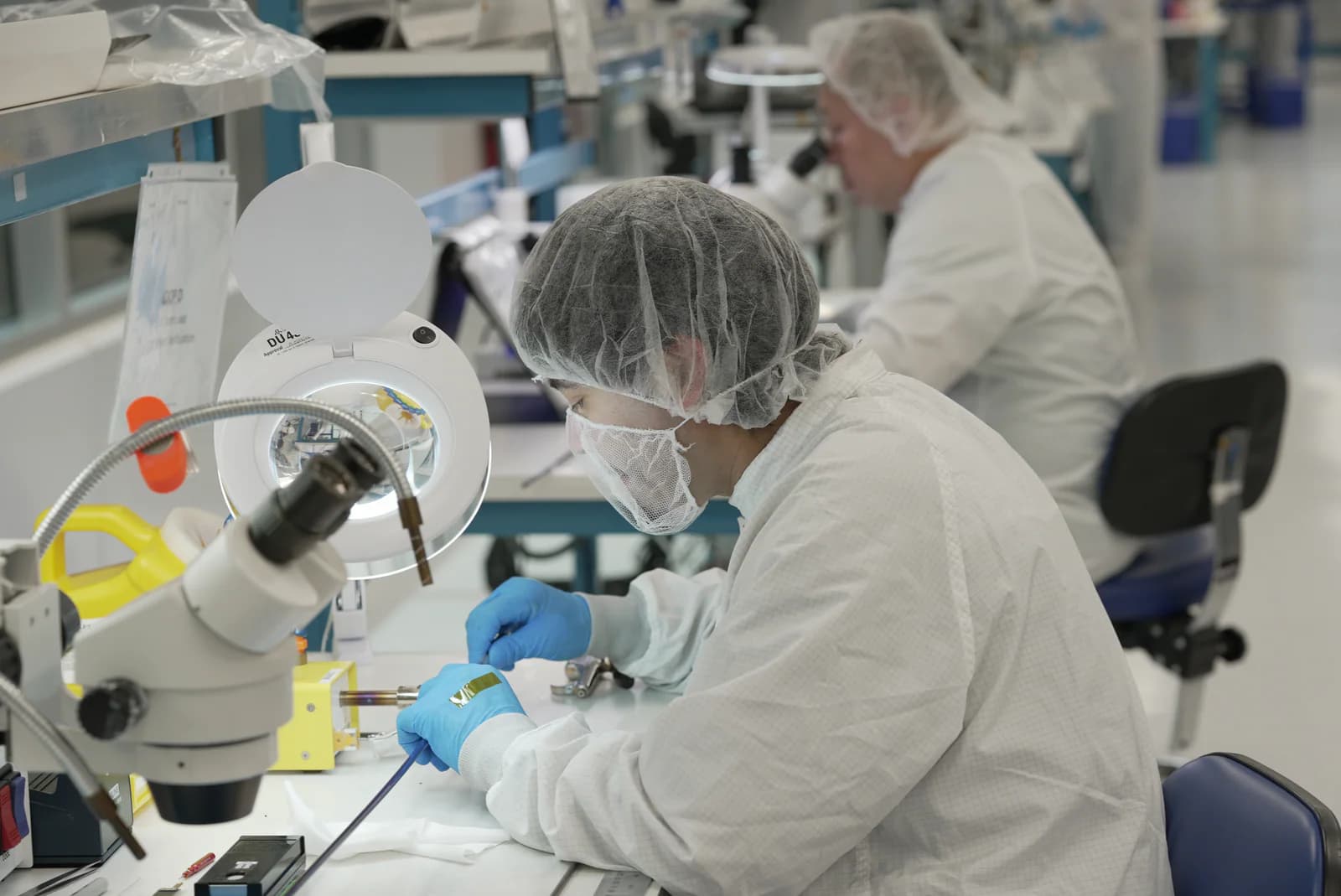
Turning the concept into a working shaft, prototyped, materialed, and built as one connected effort rather than a handoff chain.
03
Testing the design against what it actually has to survive, then refining until the process is ready.
04
Taking the integrated device from a working build to something that ships consistently, kitted and packaged every time.
07 / Interventional Context
01 / Application
TAVR, TMVR, and TTVR delivery systems built around the same core components: a steerable sheath, a deflectable catheter, and the laminated shaft and balloon assembly that get it there.
02 / Application
Multi-lumen shafts and RF transseptal systems, engineered for the steerable, deflectable behavior ablation devices depend on.
03 / Application
Getting a catheter or delivery system where it needs to go and making sure it deploys reliably once there.
Next Interventional Market
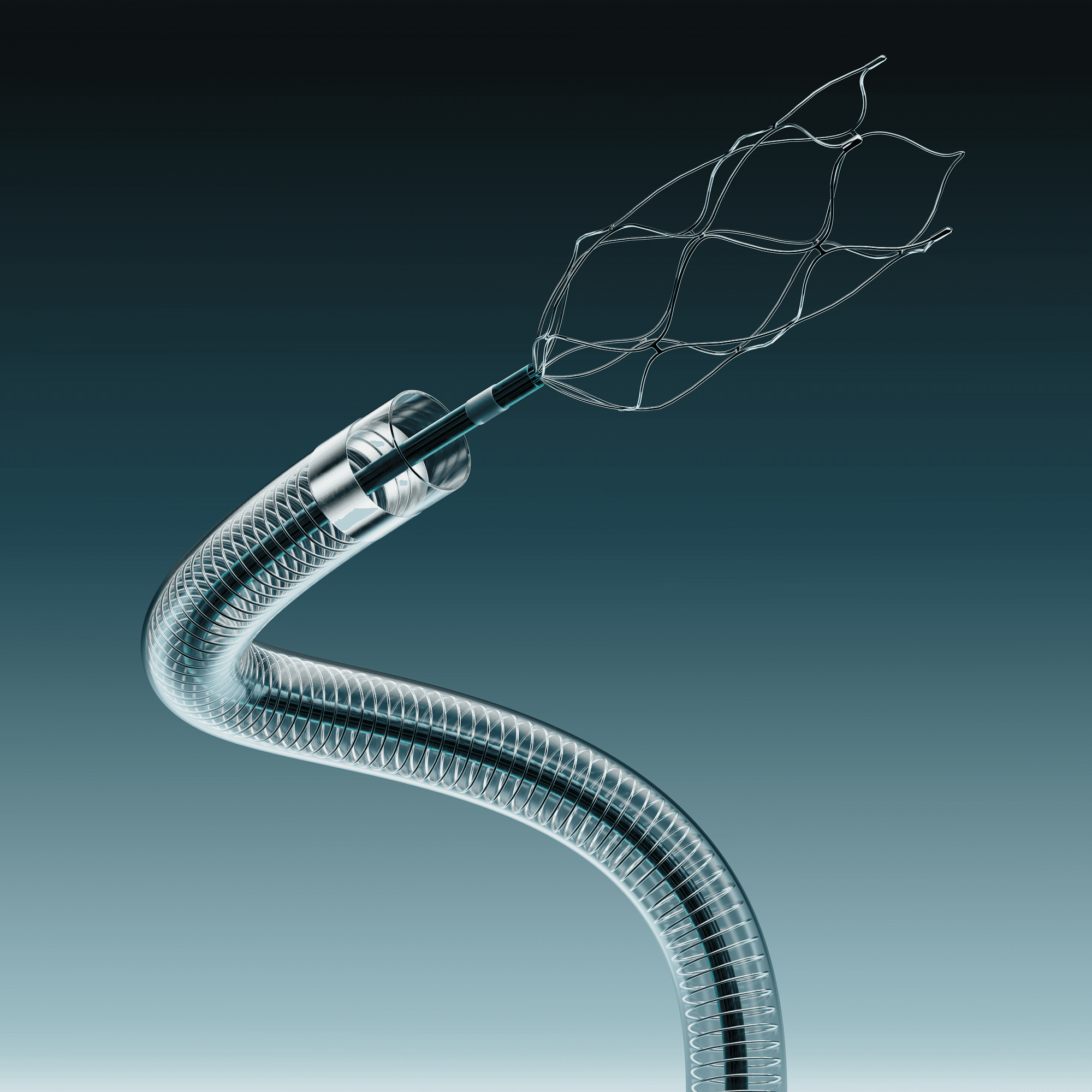
The same engineering discipline, applied to neurovascular anatomy that leaves even less room for error.
Explore Interventional Neurovascular →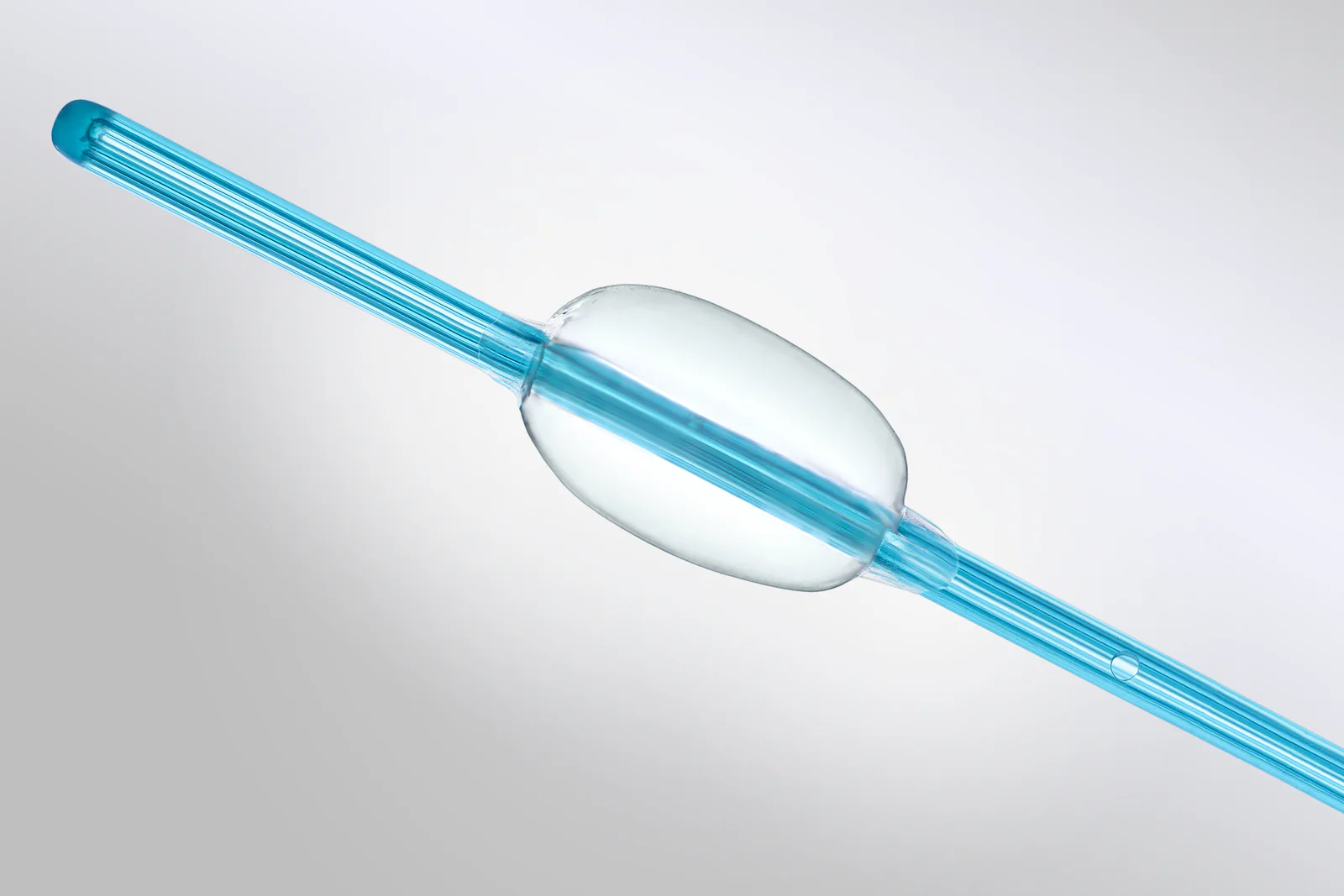
Start a Project